Ladakh being treated like a colony: Wangchuk warns of national security fallout
Source Entity
India Latest News: Top National Headlines Today & Breaking News | The Hindu
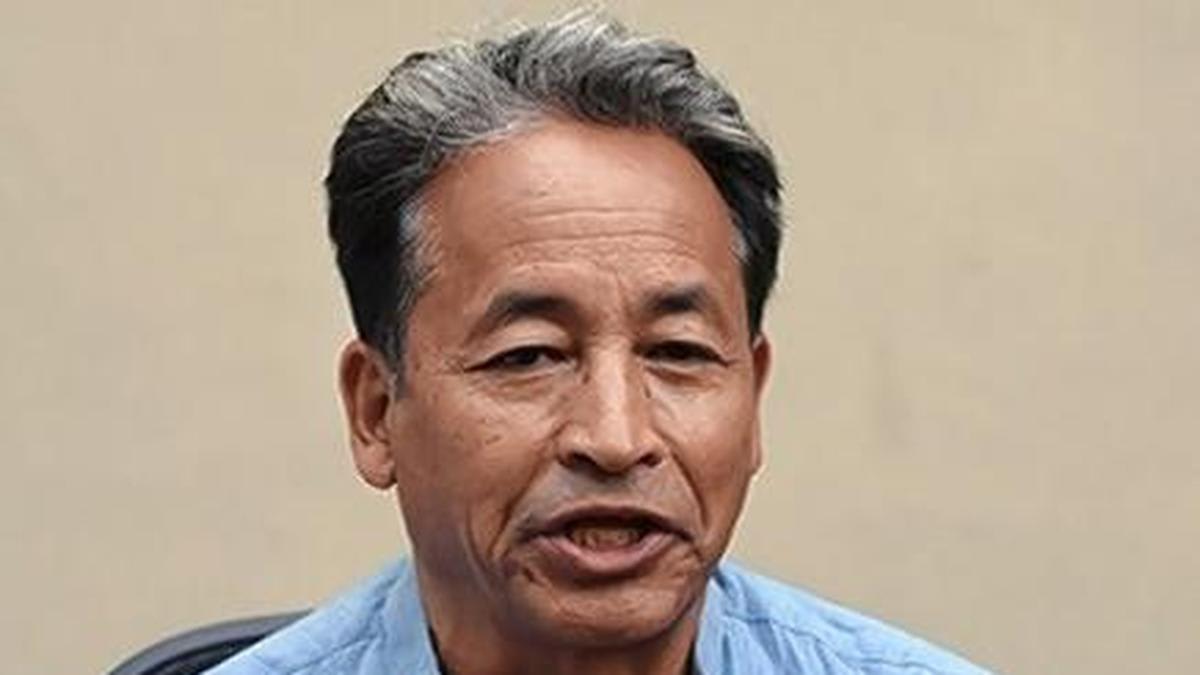
Leh police have withdrawn restrictions on activist Sonam Wangchuk following allegations of house arrest. Wangchuk continues to criticize the Ladakh administration, warning that local alienation threatens national security.
Tensions Escalate in Ladakh: The Case of Sonam Wangchuk
Recent developments in Leh have brought the complex relationship between the Ladakh administration and its citizens to the forefront. On November 20, 2026, Leh district police officially withdrew the security arrangements that had been established to enforce a prohibitory order against climate activist Sonam Wangchuk. This move followed days of intense public discourse regarding the activist's freedom of movement, with Wangchuk having alleged that he had been under de facto house arrest since November 11.
The Controversy Over 'House Arrest'
The central point of contention emerged when Sonam Wangchuk claimed that security personnel deployed outside his residence were effectively restricting his movement. While the administration maintained that he was not under formal house arrest, the presence of police to ensure compliance with a prohibitory order created a scenario that the activist characterized as a violation of his civil liberties. The subsequent withdrawal of these arrangements marks a significant shift in the administration's posture, though it leaves the underlying political grievances largely unresolved.
Governance and the 'Colonial' Critique
Following the lifting of these restrictions, Wangchuk intensified his rhetoric, accusing the current administration of treating Ladakh like a colony. He argued that critical decisions affecting the region are being imposed on the population without local consent. This sentiment is shared by the Leh Apex Body, led by Chering Dorje Lakruk, highlighting a growing disconnect between the central administrative apparatus and the aspirations of the local populace in this strategically vital border territory.
National Security and Regional Stability
Wangchuk’s warnings extend beyond local governance issues, touching upon the precarious nature of national security in Ladakh. By asserting that the alienation of the local people could lead to serious consequences for the nation, he has reframed regional administrative disputes as matters of high-stakes security. His call for an inquiry commission under the Union Home Ministry reflects a desire for a formal mechanism to address the grievances of government employees and local citizens who feel sidelined by the current administration.
The Hill Council Election Dispute
The timing of the Hill Council elections serves as a major flashpoint in this ongoing struggle. Wangchuk has vocally opposed the current schedule, contending that the timing is fundamentally undemocratic because a significant portion of the resident population would be unable to participate. This dispute highlights the tension between administrative objectives and the democratic rights of the people living in this high-altitude region.
Conclusion: A Path Forward?
As Wangchuk appeals to national leadership, including President Droupadi Murmu and Prime Minister Narendra Modi, to uphold constitutional values, the situation remains fluid. The withdrawal of police arrangements is a tactical de-escalation, but the fundamental issues—ranging from electoral timing to the nature of local governance—remain at the heart of the conflict. The future stability of Ladakh may well depend on the government's willingness to engage in a dialogue that respects the democratic agency of its people.
Verification Required?