Uttarakhand monsoon disaster: 69 roads shut, retaining wall collapses in Dehradun, houses damaged
Source Entity
Latest News: Today's Latest News Headlines from India & World | Hindustan Times | Hindustan Times
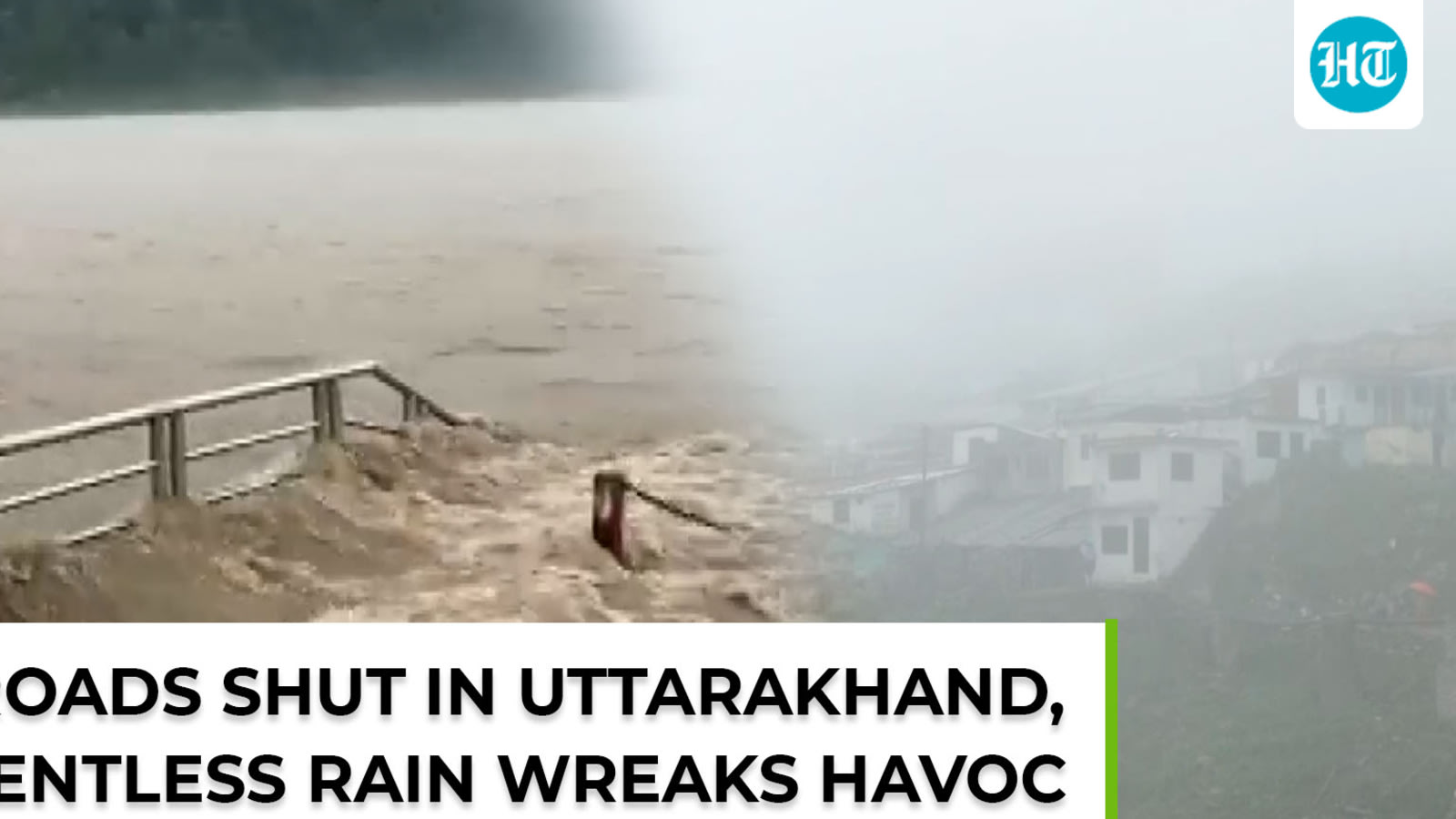
Relentless monsoon rains have disrupted life across Uttarakhand, with 69 roads remaining closed due to landslides, flooding and infrastructure damage. Rescue teams are on high alert as authorities work to restore connectivity, while the IMD has issued fresh rainfall and thunderstorm warnings for several hill districts.
Crisis in the Hills: Analyzing the Uttarakhand Monsoon Disaster
Uttarakhand is currently grappling with a severe monsoon crisis as relentless rainfall triggers a cascade of infrastructure failures and humanitarian concerns. The reported closure of 69 roads across the state highlights a systemic vulnerability in the region's connectivity, where landslides and flooding have effectively severed lifelines between remote hill districts and urban centers. This disruption is not merely a logistical hurdle but a critical emergency, as it impedes the movement of essential supplies and emergency medical services to isolated populations.
Infrastructure Fragility and the Dehradun Collapse
The collapse of a retaining wall in Dehradun serves as a poignant example of the precarious state of urban infrastructure in the Himalayan foothills. Retaining walls are critical for slope stabilization in mountainous terrain; their failure often signals deep-seated soil saturation and geological instability. When these structures give way, the resulting debris flows frequently damage adjacent houses and public utilities, as seen in the current reports. This incident underscores the urgent need for a transition from traditional construction methods to climate-resilient engineering that can withstand the increasing intensity of precipitation patterns.
The Socio-Economic Toll of Connectivity Loss
Beyond the physical damage, the closure of 69 roads creates a socio-economic vacuum in the affected districts. In Uttarakhand, roads are the primary arteries for trade, tourism, and governance. When landslides block these routes, local economies—heavily dependent on the movement of agricultural produce and tourist influx—grind to a halt. Furthermore, the damage to residential houses exacerbates the plight of marginalized communities who live on precarious slopes, turning a seasonal weather event into a displacement crisis for many families.
Meteorological Warnings and the IMD's Role
The India Meteorological Department (IMD) has issued fresh rainfall and thunderstorm warnings, suggesting that the region has not yet passed the peak of the danger zone. The pattern of "relentless" rain often leads to a saturation point in the soil, where even moderate subsequent rainfall can trigger massive landslides. The high alert status of rescue teams indicates a proactive approach to disaster management, yet the recurring nature of these warnings suggests a state of perpetual vulnerability during the monsoon months.
Historical Context and Environmental Pressures
To understand the gravity of the current situation, one must look at the historical context of the Himalayan belt. Uttarakhand has a history of devastating floods and landslides, most notably the 2013 Kedarnath tragedy. The current disaster is a reminder that the fragile ecology of the Himalayas is under immense pressure. The combination of unplanned urbanization, aggressive road-widening projects, and deforestation has stripped the mountains of their natural anchors, making the slopes far more susceptible to erosion and collapse during heavy rains.
The Challenge of Emergency Response
Rescue teams are currently on high alert, but the operational challenges are immense. When 69 roads are shut, the "golden hour" for emergency response is often lost. The reliance on heavy machinery to clear landslide debris is a slow process, and in many cases, secondary landslides pose a direct threat to the rescue workers themselves. The integration of satellite monitoring and real-time landslide prediction systems is becoming an absolute necessity to move from a reactive to a predictive disaster management model.
Conclusion: Toward a Resilient Future
In summary, the current monsoon disaster in Uttarakhand is a stark manifestation of the intersection between extreme weather and infrastructure vulnerability. While immediate efforts are focused on restoring connectivity and providing relief to damaged households, the long-term solution lies in sustainable mountain development. Future trends suggest that monsoon patterns will become more erratic and intense; therefore, Uttarakhand must prioritize ecological restoration and the implementation of stringent building codes to prevent the recurring cycle of destruction and reconstruction.
Verification Required?