BJP, RSS, VHP have hijacked Lord Ram, says former MP V. S. Ugrappa
Source Entity
India Latest News: Top National Headlines Today & Breaking News | The Hindu
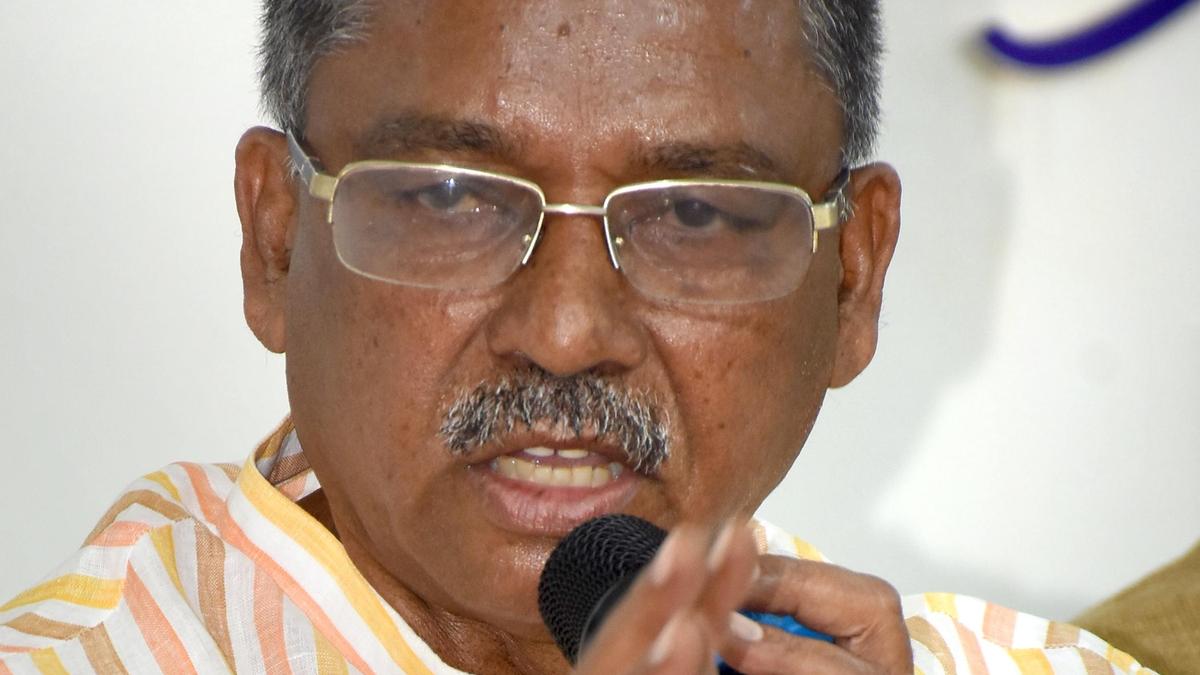
He told reporters in Belagavi that none of the 11 members of the temple trust, including a retired government officer, were able to prevent the alleged theft
Political Appropriation and Religious Governance: Analyzing V. S. Ugrappa's Allegations
Former Member of Parliament V. S. Ugrappa has ignited a significant political conversation in Belagavi by alleging that the Bharatiya Janata Party (BJP), Rashtriya Swayamsevak Sangh (RSS), and Vishwa Hindu Parishad (VHP) have effectively "hijacked" Lord Ram. This statement is not merely a critique of individual organizations but a broader commentary on the intersection of faith and political mobilization in India. By using the term "hijacked," Ugrappa suggests that a spiritual and cultural icon, intended to be a symbol of universal virtue and faith, has been subsumed into a specific political agenda to serve electoral and ideological goals.
The Dynamics of Political Influence over Faith
The core of Ugrappa's argument lies in the perceived shift of Lord Ram's image from a religious deity to a political tool. Historically, the movement surrounding Lord Ram, particularly the Ram Janmabhoomi movement, was spearheaded by the RSS and VHP, providing the ideological foundation for the BJP's rise. Ugrappa's claim posits that this alignment has reached a point where the political machinery now dictates the narrative of the faith. This analysis suggests a tension between the organic practice of religion and the structured, strategic use of religious symbols to consolidate power and identity politics.
Administrative Failure and the Temple Trust
Adding a layer of administrative criticism, Ugrappa highlighted the failure of the temple trust, noting that none of its 11 members—which included a retired government officer—were able to prevent an "alleged theft." This detail is critical because it points to a perceived impotence of formal governance when faced with the influence of powerful political-religious organizations. The mention of a retired government officer suggests that even those trained in bureaucracy and law were unable to exercise their authority, implying that the "hijacking" extends beyond rhetoric into the actual management and security of religious institutions.
The Implications of the 'Alleged Theft'
While the nature of the "theft" is not explicitly detailed in the brief report, the context suggests it could be either a literal theft of assets or a symbolic theft of the temple's autonomy. If literal, it points to a security lapse and mismanagement under the current trust. If symbolic, it reinforces the narrative that the spiritual essence and community ownership of the deity have been stolen by political entities. In either interpretation, the allegation serves to paint the BJP, RSS, and VHP as entities that prioritize their own dominance over the sanctity and security of the temple's heritage.
Regional Context: The Belagavi Perspective
The fact that these statements were made in Belagavi is significant. This region has historically been a flashpoint for linguistic and political disputes, making it a fertile ground for identity-based politics. By voicing these concerns here, Ugrappa is tapping into local anxieties regarding how national political narratives are imposed on regional religious practices. His critique reflects a broader regional resistance to the centralization of religious narratives, suggesting that the local community's relationship with their faith is being disrupted by external political forces.
Future Trends in Religious-Political Discourse
Looking forward, this event indicates a shift in the political opposition's strategy. Rather than attacking the faith itself, critics like Ugrappa are now focusing on the management and ownership of that faith. As the physical structures of temples (like the Ram Mandir) become established, the battleground will likely shift toward who controls the trusts, who defines the rituals, and who benefits from the associated prestige. We can expect an increase in disputes over the autonomy of temple trusts and more vocal accusations regarding the "politicization of the divine."
Conclusion
In summary, V. S. Ugrappa's allegations represent a sharp critique of the synergy between the BJP, RSS, and VHP. By linking the "hijacking" of Lord Ram to the administrative failure of the temple trust, he argues that political appropriation leads to a decline in actual governance and protection. This discourse underscores the ongoing struggle in India to balance the deeply held beliefs of the populace with the strategic interests of political organizations, highlighting a growing demand for the separation of spiritual sanctity from political utility.
Verification Required?