Valve’s Steam Frame costs $1,059
Source Entity
Jay Peters
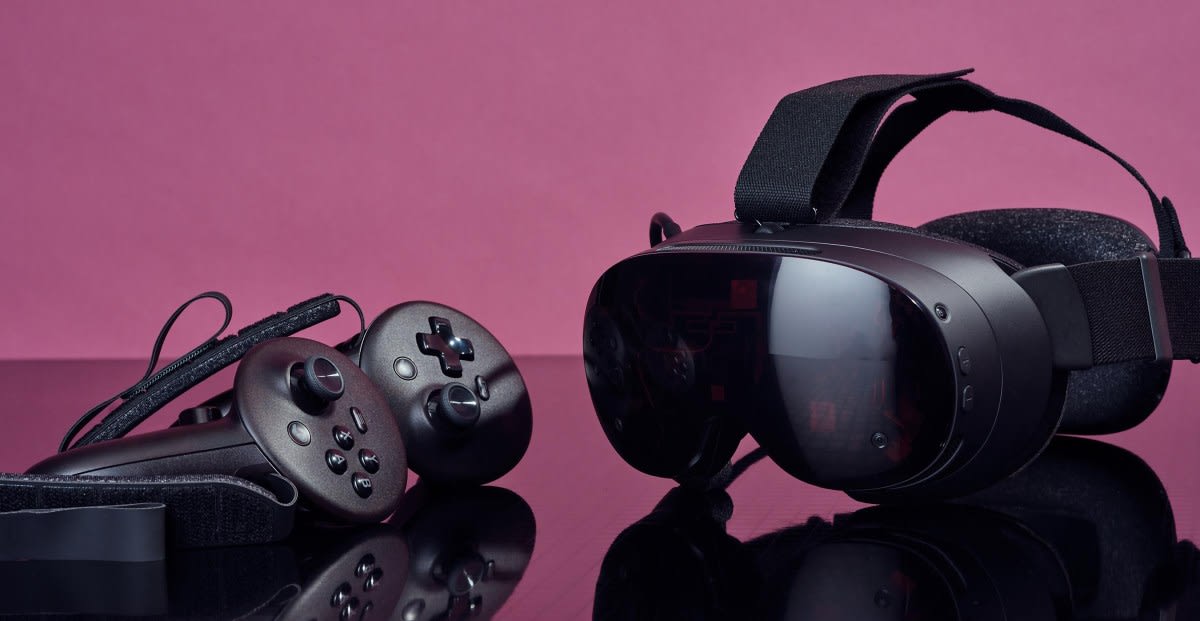
Valve has officially launched the Steam Frame, a versatile headset capable of running both flat and VR games locally or via PC streaming. Starting at $1,059, the device aims to bridge the gap between dedicated VR hardware and portable gaming.
The Evolution of Valve’s Hardware Strategy
Valve’s introduction of the Steam Frame marks a significant pivot in the company’s approach to virtual reality. After years of being a central player in the PC-tethered VR market—most notably through the HTC Vive partnership and its own Index headset—Valve is clearly attempting to address the shift in consumer preference toward standalone experiences. The Steam Frame represents a departure from the traditional, bulky PC-connected hardware that dominated the early 2010s.
Breaking the Tether
The core value proposition of the Steam Frame is its dual-mode capability: the ability to run games locally or stream them from a PC. This hybrid functionality is a direct response to the success of the Meta Quest series, which proved that mainstream users prefer the freedom of wireless, standalone devices over the high-fidelity but restrictive nature of wired PC VR. By allowing both flat and VR games to run natively, Valve is positioning the Steam Frame as a more versatile entertainment hub rather than just a niche VR peripheral.
Pricing and Configuration Tiers
Market entry for the Steam Frame begins at $1,059 for the base model, with a 1TB storage variant available for $1,299. This premium pricing structure suggests that Valve is targeting enthusiast gamers who prioritize high-end performance and the convenience of a portable, all-in-one system. By including a copy of Half-Life: Alyx—a title that remains the gold standard for VR gaming—Valve is incentivizing early adoption by providing a flagship experience immediately upon unboxing.
The Software Integration Factor
A critical aspect of the Steam Frame’s launch is the native porting of Half-Life: Alyx to the headset's hardware. This indicates that Valve has invested heavily in software optimization, ensuring that the transition between streaming and local play remains seamless. This level of integration is essential for the headset to succeed as a “don’t-call-it-a-VR-headset” device, as it aims to blur the lines between traditional desktop gaming and immersive virtual environments.
Industry Implications and Future Trends
Looking ahead, the Steam Frame could serve as a harbinger for the future of "games that run everywhere." If Valve successfully convinces its massive Steam user base to adopt this hardware, it could fundamentally change how developers approach game design, pushing for more cross-platform compatibility between flat-screen and VR experiences. While the VR "revolution" of the 2010s stagnated, Valve’s new approach suggests a more pragmatic, hardware-agnostic future where the user's library remains accessible regardless of the specific display device used.
Conclusion
In summary, the Steam Frame is a bold attempt by Valve to reclaim its position at the forefront of gaming innovation. By combining the power of the Steam ecosystem with the versatility of a standalone headset, Valve is attempting to solve the fragmentation that has plagued the VR market for years. Whether or not it can overcome the price barrier remains to be seen, but the device is undoubtedly a major step toward a more integrated, portable gaming future.