Visa gets Beijing's green light for bank card business after 40 years of working with China
Source Entity
US Top News and Analysis
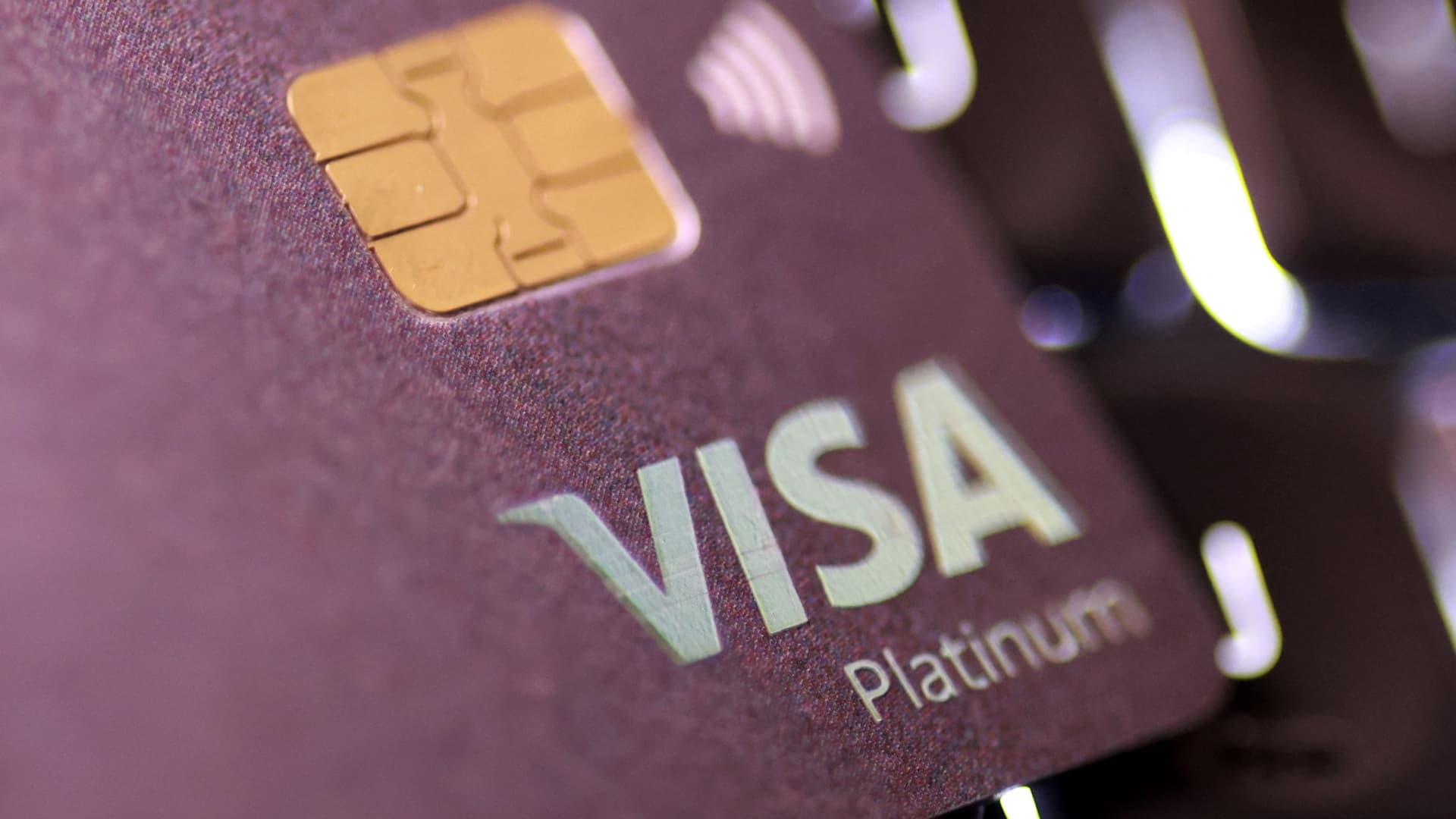
Visa has received approval from the People's Bank of China to establish a domestic bank card clearing business. This milestone follows four decades of engagement and coincides with high-level diplomatic efforts between the U.S. and China.
Visa Gains Domestic Access to China's Payments Market
A Historic Milestone in Financial Integration
After four decades of operating within the Chinese financial ecosystem, U.S. credit card giant Visa has finally received the green light from the People's Bank of China (PBOC) to establish a domestic bank card clearing business. This development represents a significant shift for the company, which has historically functioned as an international payment facilitator rather than a domestic clearinghouse. By securing this regulatory clearance, Visa is positioned to integrate more deeply into China's massive domestic payments market, a transition that CEO Ryan McInerney described as a vital milestone for the firm’s long-term global strategy.
The Role of Diplomatic Timing
It is impossible to view this regulatory breakthrough in isolation from the broader geopolitical climate. The approval arrives at a pivotal moment, coinciding with preparations for a third meeting this year between the presidents of the United States and China. Such high-level diplomatic engagement often serves as a backdrop for economic concessions, suggesting that Visa’s regulatory success may be part of a broader effort to stabilize U.S.-China commercial relations. The synchronization of this announcement with impending presidential summits underscores the degree to which financial market access remains tethered to geopolitical stability.
Decades of Strategic Engagement
Visa’s journey toward this approval has been a multi-generational endeavor. For over 40 years, the company has contributed to China’s evolving financial infrastructure, navigating a landscape that has been dominated by domestic incumbents. The leadership of CEO Ryan McInerney has been particularly instrumental in this phase of the company's evolution. His active involvement in high-level business delegations, including accompanying U.S. President Donald Trump to Beijing in May, highlights the necessity of direct diplomatic and executive advocacy in navigating the complex Chinese regulatory environment.
Regulatory Compliance and Future Operations
While the PBOC's approval is a major victory, the transition to full domestic operation remains a process governed by stringent regulatory requirements. Visa has explicitly stated its commitment to adhering to the PBOC’s specific frameworks as it begins the necessary steps to operationalize its clearing services. This process will likely involve rigorous data security protocols and adherence to local financial standards, ensuring that Visa’s entry does not disrupt the existing domestic payment architecture while allowing it to compete effectively with local players.
Broader Economic Implications
Looking ahead, Visa’s entry into the domestic clearing market signals a potential opening of China's financial services sector to more international competition. As the company begins to process domestic transactions, it will gain deeper insights into the spending habits and digital payment preferences of the Chinese consumer base. This shift not only benefits Visa’s bottom line but also signals a potential warming of economic ties between the world’s two largest economies, potentially paving the way for further liberalization in other financial and service-oriented sectors.