51 persons with disabilities get three-wheel bikes
Source Entity
India Latest News: Top National Headlines Today & Breaking News | The Hindu
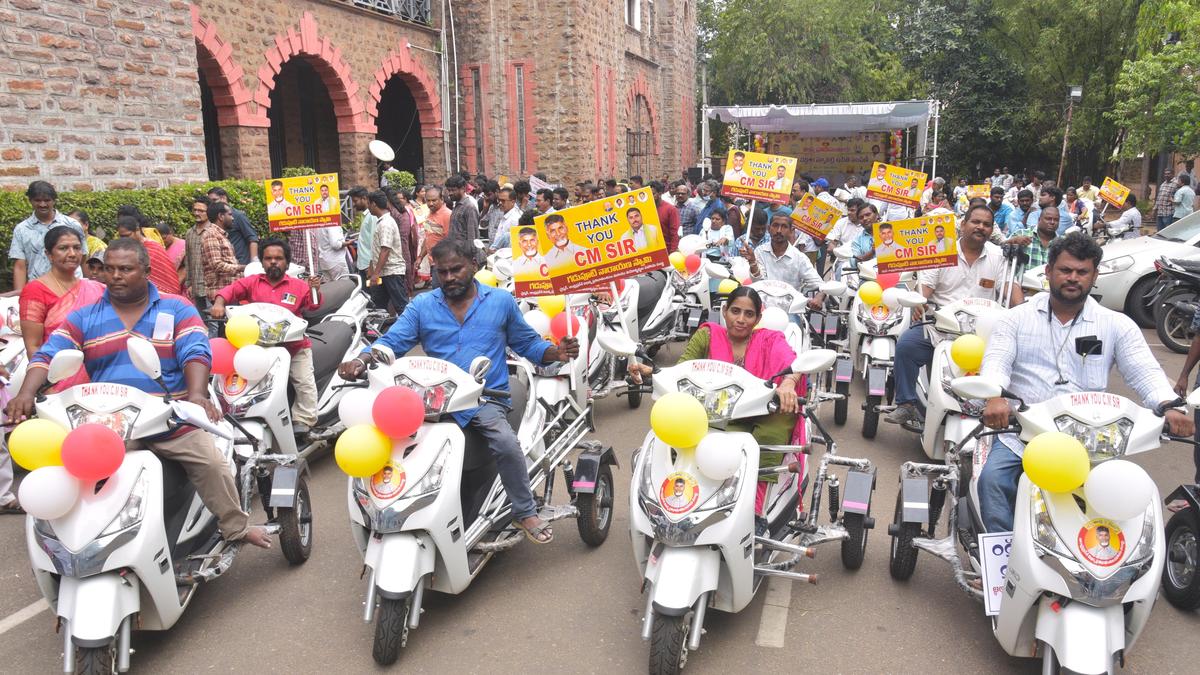
Fifty-one individuals with disabilities in Visakhapatnam received free three-wheeler motor vehicles to boost their mobility and independence. This state-led initiative aims to foster self-reliance among beneficiaries through targeted government support.
Empowering Mobility: Visakhapatnam's Initiative for Persons with Disabilities
In a significant move toward fostering inclusivity and social equity, fifty-one individuals with disabilities in the Visakhapatnam district were provided with free three-wheeler motor vehicles. The distribution ceremony, held at the Collectorate premises, underscores a concerted State government effort to provide essential tools that facilitate independent living and economic self-reliance for marginalized populations.
The Mechanics of the Distribution
The event was attended by key local figures, including legislators Vishnukumar Raju and Vamsi Krishna Srinivas, alongside administrative officials such as District Revenue Officer M. Visweswara Naidu and Assistant Director of the Department for Differently Abled Persons, Kavitha. These officials officially flagged off the vehicles, signaling the commencement of a mobility support program that directly impacts the daily lives of the recipients.
Financial and Administrative Scope
According to details provided by the officials, each three-wheeler carries an approximate value of ₹1.02 lakh. The program is part of a broader allocation for the 2025-26 fiscal period, during which 60 vehicles were sanctioned across six Assembly constituencies in the district. The administrative process involved a rigorous vetting system, where 79 applications were reviewed, ultimately resulting in the selection of 51 eligible beneficiaries.
Promoting Self-Reliance and Inclusion
The primary objective of this initiative is to remove physical barriers that often prevent individuals with disabilities from participating fully in the workforce and society. By providing motorized transport, the government is not merely offering an assistive device, but a mechanism for personal agency. Such initiatives are vital in bridging the gap between dependency and the ability to commute for employment, education, or personal errands.
Future Outlook and Expansion
While 51 individuals have benefited in this phase, the demand remains higher than current supply, as evidenced by the 79 total applications received. Legislator Vamsi Krishna Srinivas has indicated that further efforts will be made to extend these benefits to the remaining eligible applicants. This commitment suggests a continued focus on refining the distribution model to ensure that resources reach all who qualify within the district.
Conclusion
This initiative in Visakhapatnam serves as a crucial case study in effective local governance. By addressing the specific mobility needs of the differently-abled community, the State government is making tangible strides toward a more accessible society. As the program continues, its success will likely depend on the sustained allocation of funds and the efficient processing of applications to ensure no eligible individual is left behind.
Verification Required?