Major incident declared in Wales as firefighters tackle wildfires across UK
Source Entity
BBC News
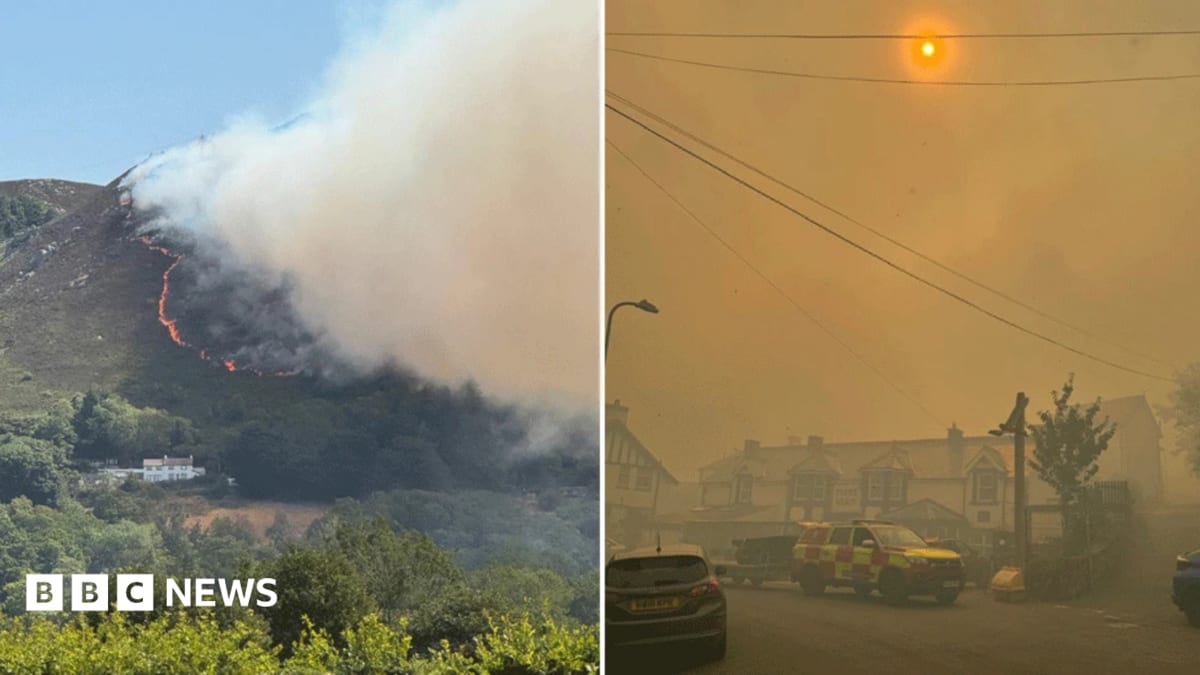
Residents near the Conwy fire have been evacuated, with at least 10 other fires across the UK this weekend.
Emergency Response and the Conwy Wildfire Crisis
Introduction The United Kingdom is currently facing a challenging weekend as firefighting crews battle multiple blazes, most notably in Wales, where a "major incident" has been officially declared. The situation in Conwy has escalated rapidly, necessitating the immediate evacuation of nearby residents to ensure public safety. This event is not an isolated occurrence but part of a broader pattern of instability, with at least ten other wildfires reported across various regions of the UK, signaling a high-risk environmental period for the country.
The Implications of a "Major Incident" Declaration
When emergency services declare a "major incident," it signifies that the scale and complexity of the event have exceeded the normal capacity of local response teams. In the case of the Conwy fire, this declaration triggers a coordinated multi-agency response, likely involving not only the local fire and rescue services but also police for evacuation management and environmental agencies to assess the risk to local wildlife and water sources. The evacuation of residents highlights the volatility of the blaze and the potential for rapid fire spread, which is often exacerbated by wind conditions and the specific topography of the Welsh landscape.
Analyzing the Broader UK Wildfire Trend
The fact that at least ten other fires have broken out across the UK simultaneously suggests a systemic environmental trigger. Typically, such clusters occur during periods of prolonged dry spells or "heat domes," where low humidity and high temperatures turn vegetation into highly combustible tinder. This synchronized activity puts an immense strain on national resources, as specialized equipment and personnel must be distributed across multiple sites. The prevalence of these fires indicates that the UK is experiencing weather patterns that are increasingly characteristic of more arid climates, challenging the traditional firefighting strategies used in temperate zones.
Environmental Context and Terrain Vulnerability
Wales, and specifically the Conwy area, often possesses terrain consisting of moorlands, forests, and peat-rich soils. Peat fires are particularly insidious because they can burn underground for extended periods, making them incredibly difficult to extinguish and prone to reigniting. This historical vulnerability, combined with current dry conditions, creates a "perfect storm" for wildfire escalation. The ecological impact of such fires is profound, potentially destroying critical habitats and releasing significant amounts of stored carbon from the soil into the atmosphere, further contributing to a cycle of environmental degradation.
Future Trends and Preventative Strategies
Looking forward, the frequency of these "major incident" wildfires suggests that the UK must shift its approach from reactive firefighting to proactive land management. This includes the implementation of more rigorous controlled burns during wetter seasons to reduce fuel loads and the enhancement of early-warning systems using satellite imagery. As climate volatility increases, the UK is likely to see a rise in "fire seasons," necessitating a permanent increase in specialized wildfire training for rural brigades and a more robust national framework for rapid resource deployment.
Conclusion The current crisis in Conwy and the surrounding fires across the UK serve as a stark reminder of the increasing risks associated with extreme weather patterns. The declaration of a major incident in Wales underscores the severity of the immediate threat to life and property, while the wider cluster of fires points to a broader environmental challenge. Through coordinated emergency response and a long-term shift in environmental management, the UK can better prepare for a future where such events become more frequent.