Wall Street drifts lower as bond yields rise and oil prices swing
Source Entity
Yahoo Finance
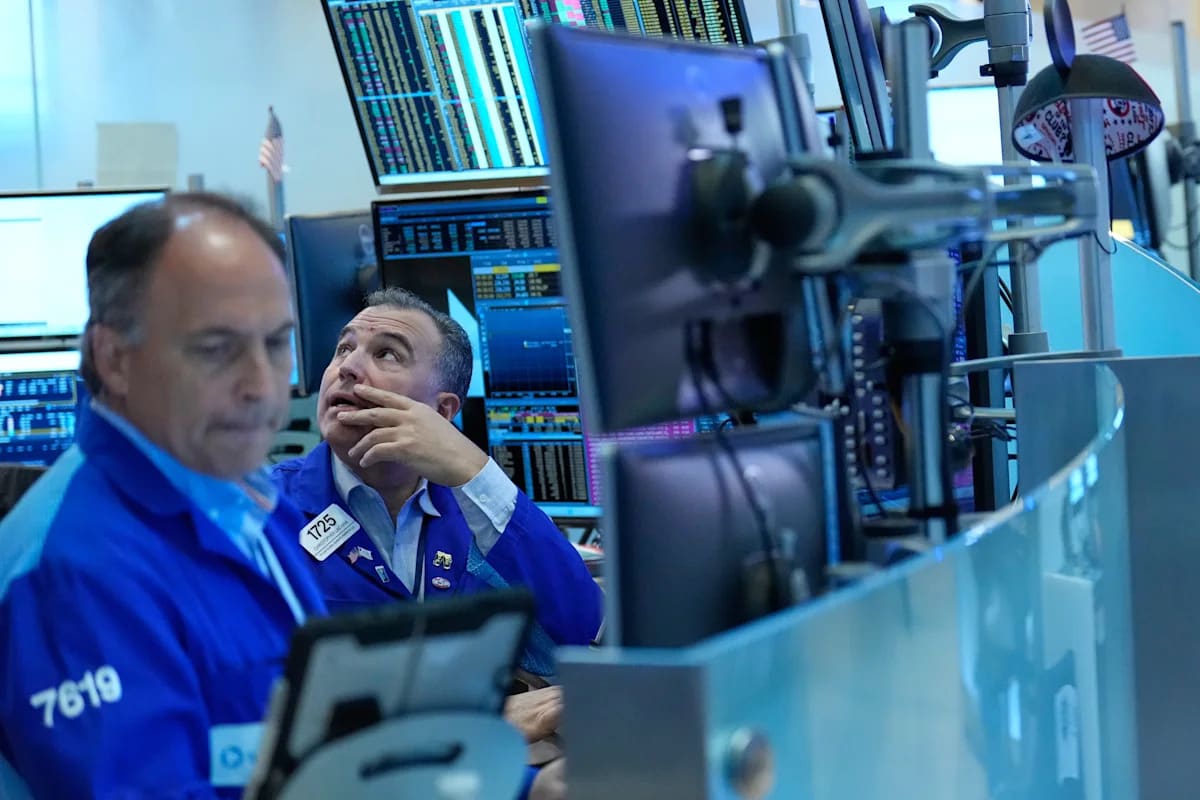
Wall Street experienced a mixed finish to the week as rising 10-year Treasury yields and fluctuating oil prices pressured equity markets. The S&P 500 managed a slight gain but recorded its second consecutive weekly loss as borrowing costs remain elevated.
Market Volatility and the 10-Year Treasury Yield
Wall Street concluded a turbulent week with a mixed performance across major U.S. stock indexes. The S&P 500 managed a marginal gain of 0.2% after a day characterized by indecisive trading, yet this slight uptick was not enough to prevent the index from marking its second consecutive weekly decline. This performance reflects the broader anxiety currently gripping investors as they navigate a landscape of tightening financial conditions.
The Impact of Rising Bond Yields
A primary catalyst for the market's recent stagnation is the upward trajectory of bond yields. The yield on the 10-year Treasury note climbed to 5%, up from 4.94% the previous day. This milestone is particularly significant as it marks the first time since 2007 that yields have sustained such levels. Higher yields act as a gravitational pull on stocks; they increase the cost of borrowing for both corporations and the U.S. government, which can stifle capital expenditure and dampen corporate earnings expectations.
Economic Implications of Elevated Rates
The persistence of high bond yields suggests that the market is beginning to price in a 'higher for longer' interest rate environment. When the 10-year Treasury yield rises, it serves as a benchmark for everything from mortgage rates to business loans. As borrowing becomes more expensive, consumer spending and business investment typically contract, creating a headwind for the broader economy. This macroeconomic pressure was clearly reflected in the market breadth, as the majority of stocks on Wall Street trended lower despite the marginal gains in specific indices.
Sector Performance and Investor Sentiment
While the S&P 500 finished slightly higher, the Dow Jones Industrial Average slipped by 0.2%, and the Nasdaq composite managed a modest gain of 0.4%. This divergence indicates that investor sentiment is highly sensitive to the specific risk profiles of different sectors. Growth-oriented stocks in the Nasdaq are often more vulnerable to yield swings, yet the mixed results underscore a lack of conviction among institutional investors who are currently balancing economic growth fears against the reality of persistent inflation.
Future Trends and Market Outlook
Looking ahead, the volatility in oil prices and the ongoing climb in Treasury yields will likely remain the primary drivers of market activity. As the Federal Reserve maintains a restrictive monetary policy stance to combat inflationary pressures, the equity market will continue to struggle for direction. Investors should anticipate continued sensitivity to any economic data that might influence the trajectory of interest rates, as the current environment leaves little room for error for companies reliant on debt-fueled growth.