Warren Buffett is accelerating his charitable donations with aim to give away Berkshire wealth by 2034
Source Entity
US Top News and Analysis
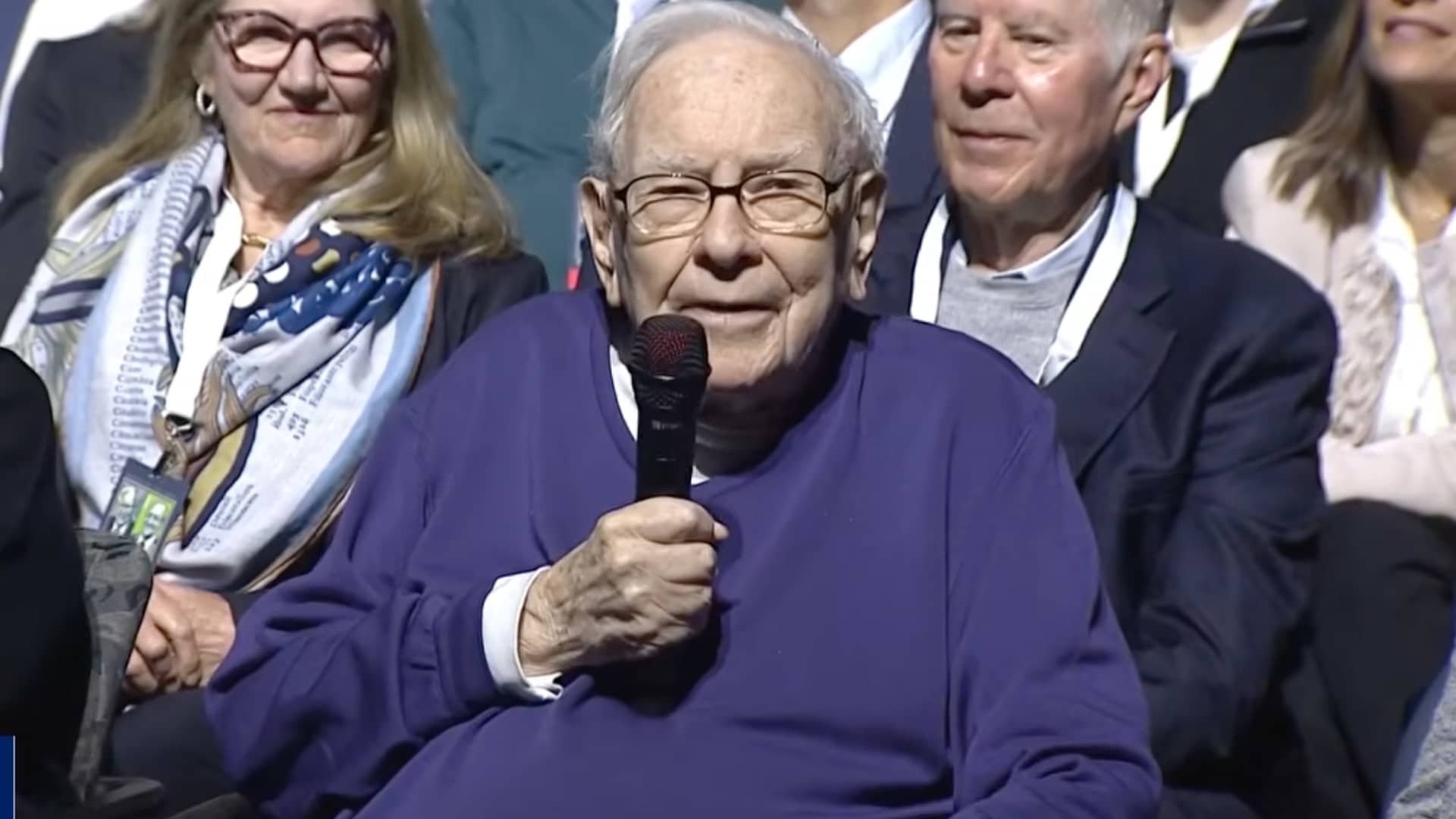
Warren Buffett is accelerating his philanthropic efforts, donating nearly $6 billion in Berkshire Hathaway shares to four family foundations as part of a broader goal to distribute his entire wealth by 2034.
The Oracle's Exit Strategy: Analyzing Warren Buffett's Philanthropic Acceleration
Warren Buffett, the legendary chairman and CEO of Berkshire Hathaway, has signaled a significant shift in the timing of his wealth distribution. By accelerating the pace of his annual donations—totaling nearly $6 billion in Berkshire Hathaway shares distributed among four family foundations—Buffett is tightening the timeline for his ultimate goal: the complete divestment of his personal fortune by 2034. This move represents more than just a financial transaction; it is a strategic execution of a lifelong philosophy regarding wealth and social responsibility.
The Mechanics of the $6 Billion Transfer
The decision to donate shares rather than cash is a calculated move common among ultra-high-net-worth individuals. By transferring Berkshire Hathaway shares, Buffett minimizes the immediate tax burden that would accompany the sale of those assets for cash. For the receiving foundations, these shares provide a powerful engine for growth, allowing the organizations to either hold the assets for long-term appreciation or liquidate them strategically to fund grants. This specific injection of $6 billion underscores the scale of Buffett's commitment and the liquidity of his holdings, ensuring that the foundations have immediate, massive capital to deploy into their respective charitable causes.
Strategic Decentralization through Family Foundations
Rather than consolidating his giving into a single monolith, Buffett has distributed these funds across four distinct family foundations. This approach reflects his belief in decentralized decision-making. By empowering family members and trusted trustees to manage these funds, Buffett ensures that the philanthropic efforts are not solely dependent on his own vision, but are adapted to the evolving needs of the global community. This structure mitigates the risk of "founder's syndrome" in philanthropy, where a single individual's outdated priorities dictate the use of billions of dollars over several decades.
Historical Context: The Giving Pledge and a Legacy of Generosity
This acceleration is the logical culmination of the "Giving Pledge," a campaign co-founded by Buffett and Bill Gates in 2010, which encourages the world's wealthiest individuals to commit the majority of their wealth to philanthropic causes. For years, Buffett has been a vocal critic of inheriting massive fortunes, arguing that wealth should be used to solve systemic problems during the donor's lifetime or shortly thereafter. By setting a firm deadline of 2034, Buffett is transitioning from a general commitment to a strict operational timeline, effectively creating a countdown for the redistribution of one of the largest personal fortunes in history.
Implications for Berkshire Hathaway and the Market
From a market perspective, the acceleration of these donations is unlikely to trigger volatility in Berkshire Hathaway's stock price. The market has long priced in Buffett's philanthropic intentions, and the gradual nature of the share transfers prevents the kind of "shock sale" that could destabilize the stock. However, this move serves as a psychological signal to shareholders and the public that the era of Warren Buffett's direct financial control is winding down. It reinforces the stability of Berkshire's succession plan, as the focus shifts from Buffett's personal holdings to the institutional strength of the company under his designated successors.
Future Trends: The Shift Toward Systemic Philanthropy
Looking toward 2034, we can expect a surge in large-scale grants targeting global health, education, and poverty alleviation. As the foundations receive more shares, their payout requirements (mandated by law for private foundations) will force a higher volume of capital into the non-profit sector. This trend suggests a shift toward "systemic philanthropy," where wealth is not just used for temporary relief but to overhaul failing systems. Buffett's acceleration sets a precedent for other billionaires, potentially pressuring the global elite to move beyond vague promises toward concrete, time-bound exit strategies for their wealth.
Conclusion
Warren Buffett's decision to accelerate his donations to $6 billion and target a 2034 completion date is a masterclass in planned legacy. By utilizing share transfers and decentralized foundations, he maximizes the impact of his wealth while minimizing tax inefficiencies. This move not only fulfills his personal moral obligation as defined by the Giving Pledge but also provides a clear roadmap for the transition of his financial influence from private accumulation to public benefit.