Warren Buffett on the market today: 'It's tough to find values when everybody is preferring gambling'
Source Entity
US Top News and Analysis
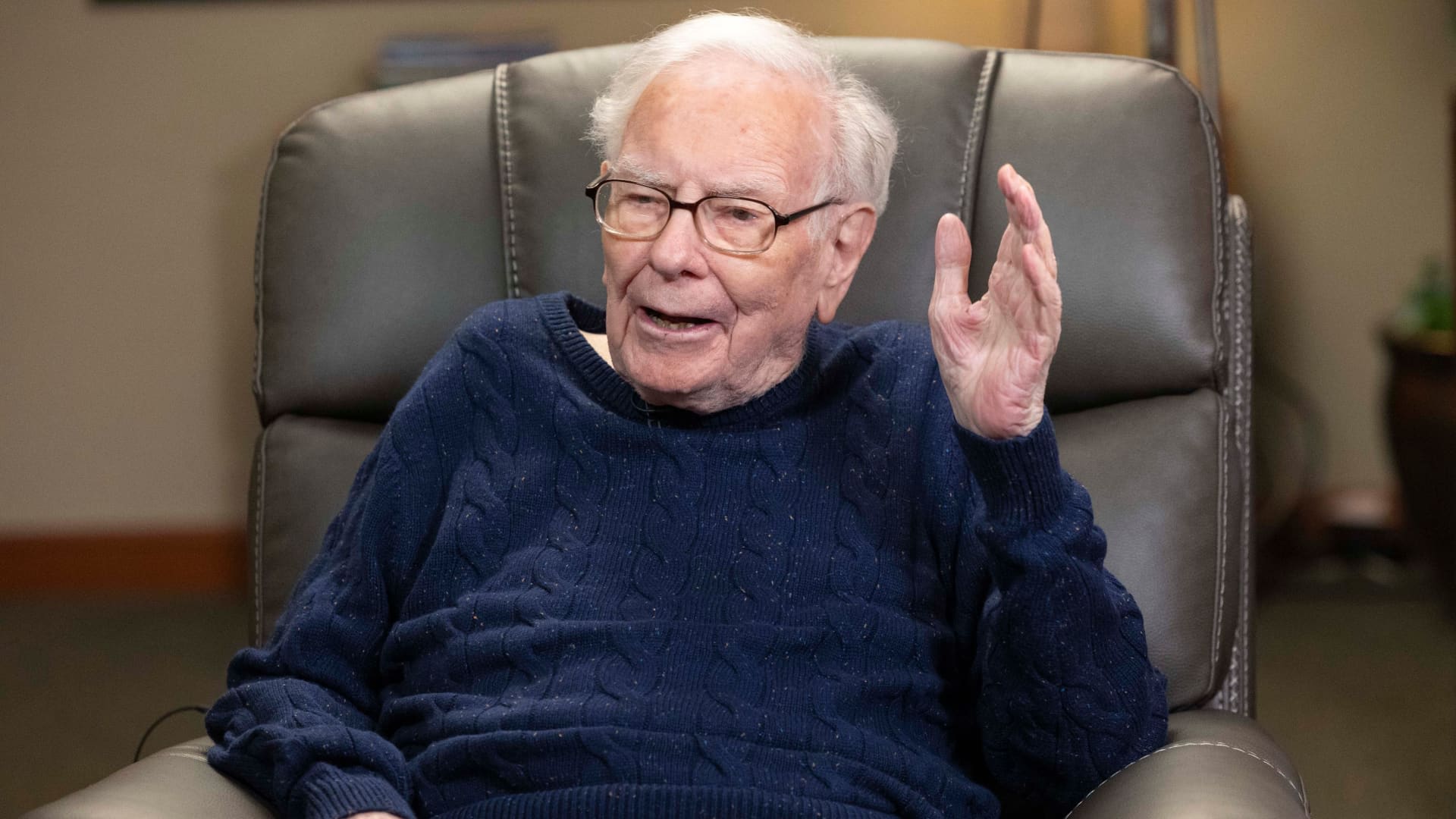
Legendary investor Warren Buffett has expressed concern over the current state of the stock market, criticizing the shift toward speculative 'gambling' and the resulting difficulty in finding genuine value for long-term investments.
The Oracle's Warning: Speculation vs. Value in Modern Markets
Warren Buffett, the chairman and CEO of Berkshire Hathaway, has once again sounded the alarm regarding the prevailing psychology of the modern stock market. By stating that it is "tough to find values when everybody is preferring gambling," Buffett is highlighting a dangerous divergence between the intrinsic value of companies and their market prices. This critique is not merely a comment on current price points but a systemic observation of how trading behavior has shifted from a disciplined analysis of business fundamentals to a high-stakes game of momentum and speculation.
The Core Philosophy of Value Investing
To understand the weight of Buffett's statement, one must first understand the bedrock of his philosophy: Value Investing. For decades, Buffett has advocated for purchasing assets at a significant discount to their intrinsic value—the present value of all future cash flows a business will generate. When Buffett mentions the difficulty of "finding values," he is referring to the disappearance of the "margin of safety." In a market driven by speculation, stock prices are often pushed far beyond what the underlying business justifies, leaving the prudent investor with few opportunities to buy assets that are priced reasonably relative to their actual earning power.
The Rise of the 'Gambling' Mindset
Buffett's use of the word "gambling" is a sharp critique of the speculative fever currently gripping both retail and institutional investors. In recent years, the market has seen an explosion of short-term trading patterns, fueled by zero-commission brokerage apps, social media-driven "meme stocks," and an obsession with rapid capital gains over sustainable dividends. Unlike investing, which focuses on the ownership of a productive enterprise, gambling in the stock market focuses on the hope that a "greater fool" will be willing to pay an even higher price for an asset in the near future, regardless of the company's profitability or health.
Broader Implications and Market Volatility
This shift toward speculative trading has profound implications for market stability. When a significant portion of market participants treat stocks like lottery tickets, the market becomes prone to extreme volatility and erratic price swings. This environment creates a feedback loop where rising prices attract more speculators, further inflating bubbles. Buffett’s concern suggests that we are currently in a phase where sentiment overrides logic. When the tide eventually turns and the "gamblers" exit the market, the resulting correction can be violent, disproportionately harming those who entered the market based on hype rather than a deep understanding of value.
Historical Context and the Cycle of Speculation
Historically, Buffett has been the voice of caution during similar periods of irrational exuberance. During the Dot-com bubble of the late 1990s, he was widely criticized for avoiding technology stocks that lacked traditional earnings. However, his refusal to participate in the "gambling" of that era saved Berkshire Hathaway from the catastrophic losses that wiped out countless other portfolios when the bubble burst in 2000. By drawing parallels today, Buffett is reminding the investment community that while speculative manias can last longer than expected, they always end in a return to fundamental reality.
Future Trends: The Return to Fundamentals
Looking ahead, Buffett's analysis predicts a future where the market must eventually reconcile with reality. As interest rates fluctuate and economic pressures mount, the "gambling" strategy becomes increasingly risky because the cost of capital rises, making unprofitable companies less attractive. We can expect a trend where capital begins to flow back into "boring" but productive businesses with strong cash flows and sustainable moats. For the individual investor, the lesson is clear: the path to long-term wealth is not found in chasing the latest trend, but in the patient search for undervalued assets.
Conclusion
Warren Buffett's critique serves as a timely reminder that the stock market is intended to be a mechanism for allocating capital to productive businesses, not a casino. By warning against the current preference for gambling over value, he underscores the importance of discipline, patience, and fundamental analysis. While the allure of quick gains may be strong in a speculative market, the historical precedent suggests that those who adhere to the principles of value investing are the ones who survive and thrive in the long run.