What Warsh will say and how the market will react, according to prediction markets
Source Entity
US Top News and Analysis
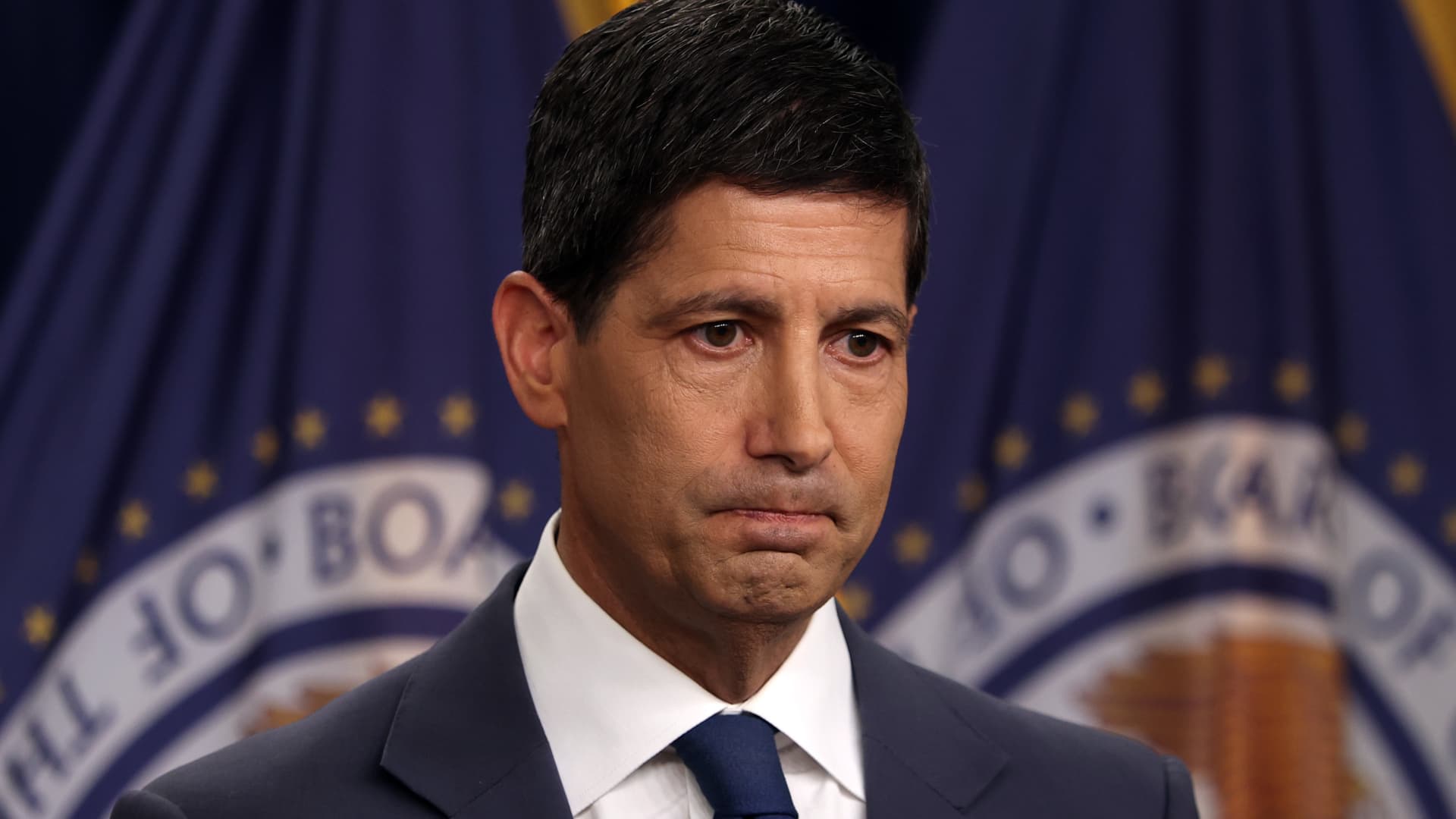
Federal Reserve Chair Kevin Warsh faces a pivotal moment at the Jackson Hole symposium as he seeks to establish credibility with markets and colleagues. His approach contrasts with Treasury Secretary Scott Bessent, highlighting a growing policy divide regarding fiscal management and interest rates.
The Jackson Hole Crossroads: Kevin Warsh’s Credibility Test
As the financial world converges on the Jackson Hole symposium, all eyes are fixed on Federal Reserve Chairman Kevin Warsh. His upcoming address represents a critical juncture in his tenure, serving as a litmus test for his ability to gain the confidence of both his central-bank peers and global investors. Currently, skepticism remains high, fueled by concerns regarding his perceived proximity to the White House and uncertainties surrounding his specific strategy for curbing persistent inflation.
A Divergence of Policy Philosophies
The tension at the heart of U.S. financial policy is becoming increasingly apparent through the contrasting approaches of Warsh and Treasury Secretary Scott Bessent. While Warsh advocates for a shift away from traditional, heavy-handed central bank communication in favor of allowing market forces to drive interest rate discovery, Bessent has taken a more proactive, interventionist path. The Treasury Secretary has utilized unconventional tools to influence market function, creating a visible friction point between fiscal and monetary leadership.
The Impact of Fiscal Realities
This policy divide is occurring against a backdrop of rising Treasury yields and a volatile dollar. Recent market movements, including the dollar's fluctuation following economic data releases and Treasury announcements, underscore the fragility of current investor sentiment. Specifically, Secretary Bessent’s decision to double the size of quarterly repurchases of longer-dated bonds has sparked concern among analysts, who worry that such maneuvers are insufficient to address the core problem: the sprawling U.S. fiscal deficit.
Navigating the 'Price of Money'
The fundamental debate currently occupying the minds of policymakers is how hands-off the government should be in determining the 'price of money.' Warsh’s preference to let markets perform the 'heavy lifting' of tightening suggests a belief that the Federal Reserve should minimize its interference. Conversely, the administration’s efforts to suppress long-term borrowing costs through direct intervention suggest a fundamental disagreement on the efficacy of market-driven monetary policy.
Future Trends and Market Implications
Looking ahead, the success of the current economic strategy remains in question. Many portfolio managers and analysts express doubt that the current administration can effectively contain borrowing costs without addressing the underlying fiscal imbalances. As Warsh prepares to speak, the market is looking for concrete clues on how the Fed intends to navigate this landscape. If he fails to articulate a clear, independent path forward, the volatility seen in the currency and bond markets is likely to persist, potentially undermining the stability of the broader U.S. financial system.
Multiple Citing Sources