US Open: The Wowrinka backhand blazes out into the NY sunset
Source Entity
Bhuvan Gupta
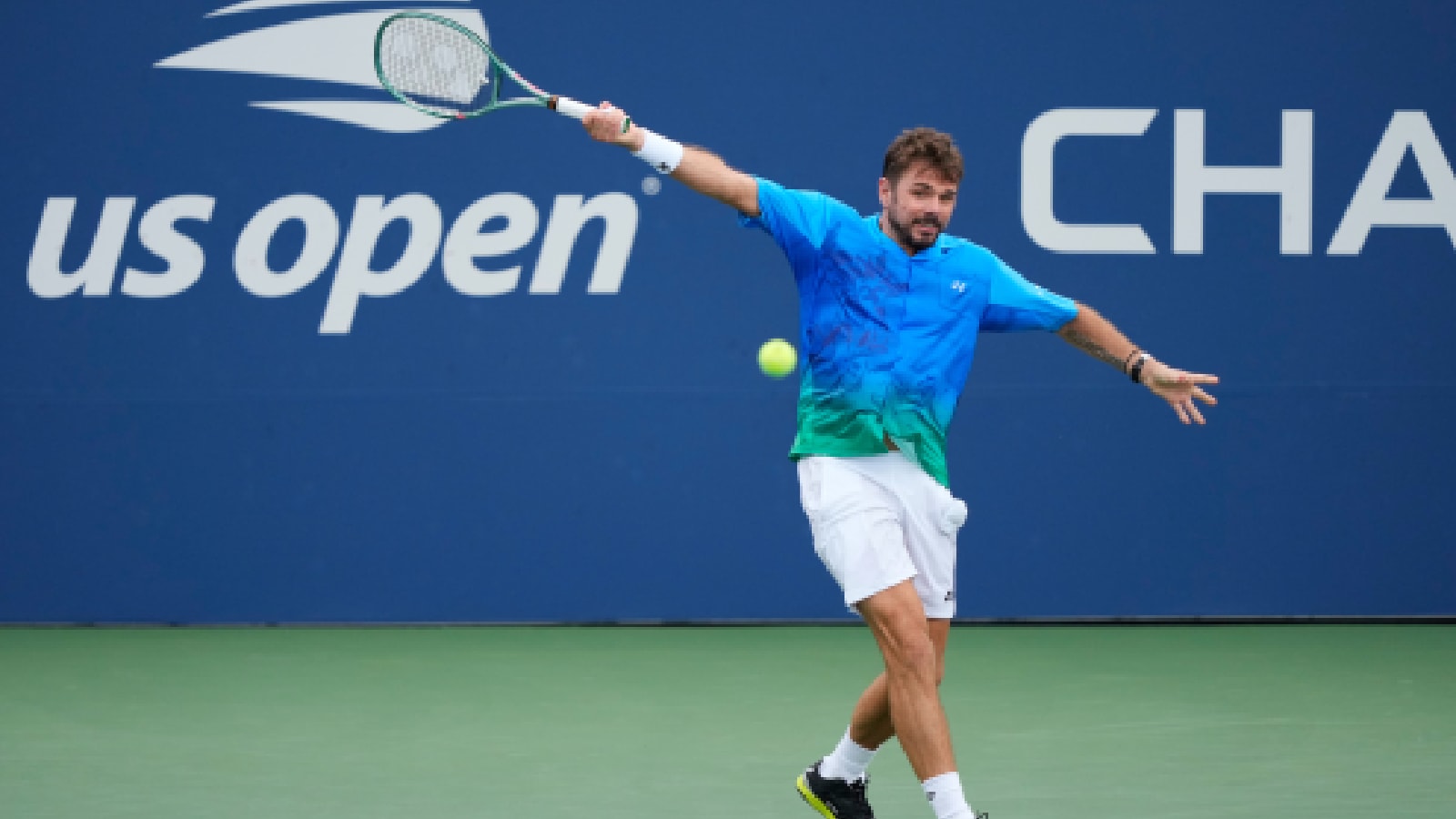
Stanislas Wawrinka has played his final Grand Slam match at the US Open, marking the end of a storied career defined by his iconic one-handed backhand. Though he finishes with fewer trophies than his idol Pete Sampras, Wawrinka leaves a lasting legacy of resilience and technical brilliance.
The Final Bow of 'Stan the Man'
Stanislas Wawrinka’s recent appearance at the US Open marks the conclusion of a significant chapter in modern tennis history. Twenty-one years after his debut at Roland Garros, the Swiss veteran played his final Grand Slam match at Flushing Meadows, the very site of his 2016 triumph. This exit serves as a poignant reminder of a career that spanned two decades and saw him challenge the dominance of the 'Big Three' during an era of unparalleled competition.
The Legacy of an Iconic Backhand
Central to Wawrinka’s identity on the court was his one-handed backhand, a shot widely regarded as one of the most powerful and technically aesthetic in the history of the sport. The efficacy of this stroke was so profound that even his childhood idol, Pete Sampras—who presented Wawrinka with his first Grand Slam trophy at the 2014 Australian Open—publicly expressed envy of it. This mutual respect highlights the elite technical recognition Wawrinka earned among tennis legends.
Chasing Legends and Defining Greatness
While Wawrinka’s career trophy count did not reach the staggering heights of Sampras, his impact was defined by his tenacity. When confronted with the praise from Sampras regarding his backhand, Wawrinka’s retort—that he would have preferred Sampras’ trophy collection—perfectly encapsulated the relentless competitive spirit that pushed him to win three Grand Slam titles. He operated in a unique space, often considered the 'fourth man' during the peak years of tennis dominance by his contemporaries.
The Significance of Flushing Meadows
Returning to the US Open for his final Grand Slam appearance was deeply symbolic. It was in New York where Wawrinka secured his third major title, providing a fitting bookend to his storied journey. His ability to perform on the biggest stages against the world's best players established him as a 'big-match player,' one who could elevate his performance when the pressure was at its absolute zenith.
Beyond the Statistics
Beyond the raw numbers, Wawrinka’s legacy is rooted in his fighting spirit. He navigated a long career marked by injuries and the physical toll of a power-based game. His longevity, spanning over two decades of professional play, underscores a level of discipline and passion that few athletes sustain. As he exits the major stage, he leaves behind not just a collection of trophies, but a blueprint for how technical perfection and grit can allow a player to disrupt the status quo.
Conclusion: A Lasting Impression
The retirement from Grand Slam competition of 'Stan the Man' signifies the closing of an era. His career serves as a bridge between generations, and his influence on the game will be measured by the countless players who have sought to replicate the ferocity and elegance of his signature backhand. Wawrinka retires as a three-time champion whose impact on the sport remains as enduring as the powerful, sunset-blazing backhand that defined him.