Waymo pulls driverless taxis from freeways across the US after California ban
Source Entity
Associated Press
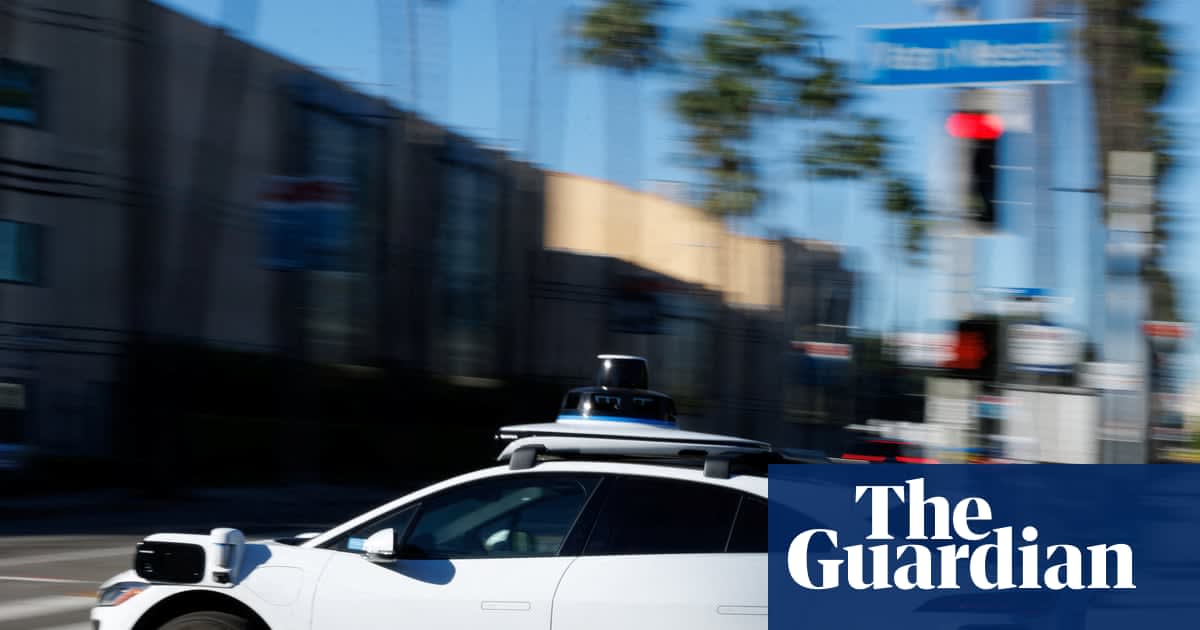
Waymo has indefinitely suspended driverless taxi services on freeways across the U.S. following a California ban prompted by safety concerns. While freeway operations are halted, the company continues to provide robotaxi services on city streets in its various operating markets.
The Shift in Autonomous Transit: Waymo's Freeway Retreat
A Regulatory Turning Point
Waymo, the autonomous vehicle subsidiary of Alphabet, has officially announced the indefinite suspension of its driverless taxi services on freeways across the United States. This strategic pivot follows a direct regulatory intervention by California authorities, who moved to ban autonomous vehicles from high-speed corridors following a series of documented traffic incidents. This decision marks a significant setback for the industry’s push toward full-scale, high-speed autonomous integration into public transportation infrastructure.
Understanding the Scope of the Suspension
Previously, Waymo had established a robust footprint for freeway travel in key metropolitan hubs, including the San Francisco Bay Area, Los Angeles, Phoenix, Miami, and Austin. By pulling its fleet from these highways, the company is effectively recalibrating its operational model to focus on urban street navigation. While the freeway ban is nationwide, it is crucial to note that Waymo’s city-street operations—which remain active in cities like Las Vegas, Dallas, and Denver—are entirely unaffected by this specific regulatory mandate.
Analyzing the Safety Concerns
The catalyst for this nationwide pause was a series of traffic incidents that raised alarms regarding the safety of self-driving systems at higher velocities. Autonomous vehicles rely on complex sensor suites and machine learning algorithms to interpret high-speed traffic flows, lane changes, and human driver behavior. When these systems encounter unpredictable maneuvers or emergency vehicles—such as the reported incident involving a Waymo robotaxi attempting to pass highway patrol cars—the resulting safety risks force regulators to prioritize public protection over technological acceleration.
The Future of Urban Mobility
Despite the restriction, Waymo remains operational in non-freeway settings, suggesting that the company believes its technology is still viable for lower-speed, high-density urban environments. This bifurcation of service suggests that the industry may need to adopt a tiered approach to autonomous driving, where 'city-only' and 'all-access' tiers are developed separately to accommodate varying regulatory hurdles and safety thresholds.
Industry Implications and Long-Term Trends
This event underscores the inherent tension between technological innovation and public safety policy. As autonomous vehicle companies continue to expand, they must navigate a patchwork of local and state regulations that are increasingly reactive to real-world performance metrics. For Waymo, the challenge will be to demonstrate, through improved data and software updates, that its systems can eventually meet the rigorous safety standards required for high-speed, multi-lane freeway environments in the future.