Rooney says he considered taking his own life at Man Utd
Source Entity
BBC News
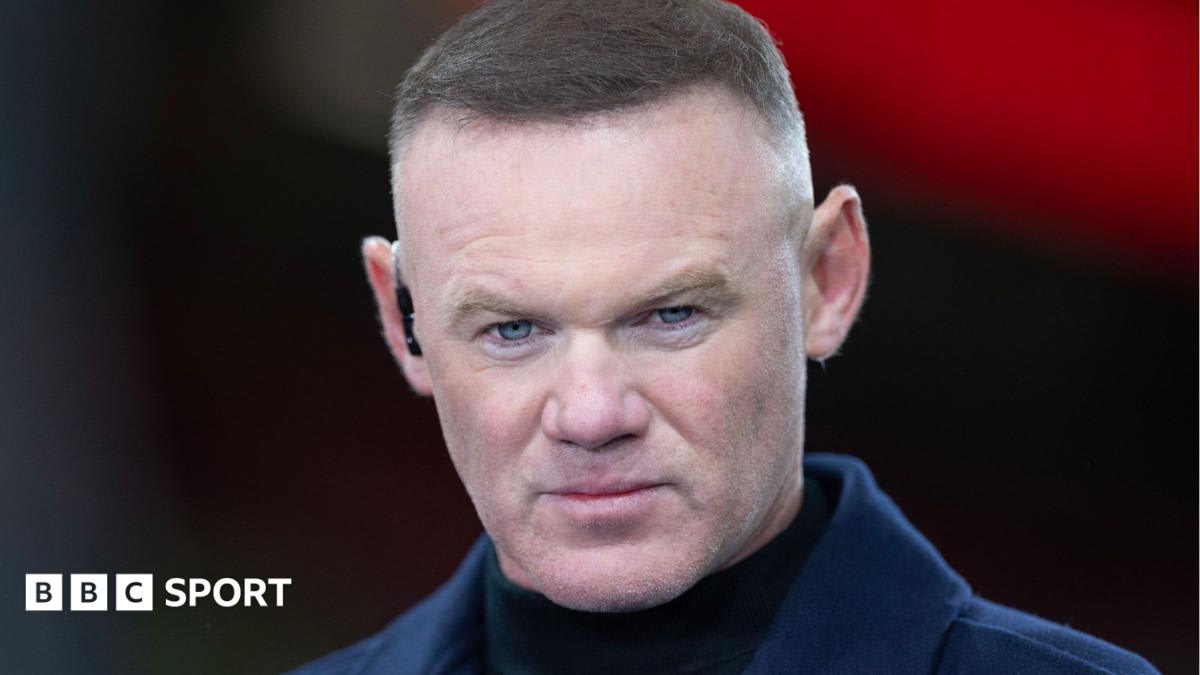
Former Manchester United star Wayne Rooney has candidly revealed his past battles with depression and suicidal thoughts during his peak playing years. The record goalscorer highlighted the isolation of alcohol abuse and the importance of seeking professional therapy to manage his mental health.
The Hidden Struggle: Wayne Rooney's Mental Health Battle
A Peak Career Masking Inner Turmoil
Wayne Rooney, a figure synonymous with the relentless intensity of top-flight football, has recently offered a harrowing glimpse into the mental health struggles that plagued him during his most successful years at Manchester United. Despite achieving legendary status as the club's record goalscorer—netting 253 goals across 559 appearances—Rooney revealed that his peak professional performance was juxtaposed against a period of profound internal despair. This revelation serves as a stark reminder that athletic success and public adulation are not reliable indicators of personal well-being.
The Mechanics of Isolation
In a candid conversation on the Life at the Midpoint podcast with Gabby Logan, Rooney detailed a cycle of isolation that occurred when his eldest son, Kai, was a baby. He described periods where he would lock himself away for days, relying on alcohol as a coping mechanism for his distress. This behavior illustrates the dangerous intersection of high-pressure fame and maladaptive coping strategies, where the lack of an outlet often leads to total withdrawal. By framing his lowest points within the context of his "best part of my career," Rooney challenges the societal assumption that professional triumph precludes private psychological suffering.
The Role of Professional Intervention
Central to Rooney’s narrative is his proactive decision to seek professional help. By confirming that he was "speaking to a therapist to try and figure out what was up," Rooney underscores the necessity of mental health support systems in professional sports. For years, the culture of elite football prioritized physical resilience above all else, often stigmatizing vulnerability. Rooney’s admission marks a shift in how athletes are starting to view mental health, legitimizing the need for therapeutic intervention as a standard component of professional life.
Broader Implications for Athlete Welfare
Rooney’s public disclosure carries significant weight for the sports industry at large. Historically, the pressure to maintain a "tough" facade has prevented many athletes from addressing depression or suicidal ideation until a crisis point is reached. By coming forward, Rooney is helping to dismantle these barriers, encouraging a more nuanced understanding of the pressures faced by elite performers. This is not merely a personal story; it is a vital catalyst for the ongoing conversation regarding the duty of care that clubs and organizations owe to their employees beyond the training pitch.
A Path Toward Awareness and Future Trends
Looking forward, the sports world is gradually moving toward a more holistic model of athlete management that treats mental and physical health with equal gravity. Rooney's openness provides a roadmap for younger players, demonstrating that identifying one’s struggles is the first step toward recovery. As the stigma continues to diminish, we can expect to see more robust mental health frameworks integrated into professional academies and senior clubs, ensuring that the next generation of icons does not have to suffer in silence while reaching the pinnacle of their careers.