Anti-goonda Bill not returned, still under consideration, says Bengal CM Suvendu Adhikari
Source Entity
Atri Mitra
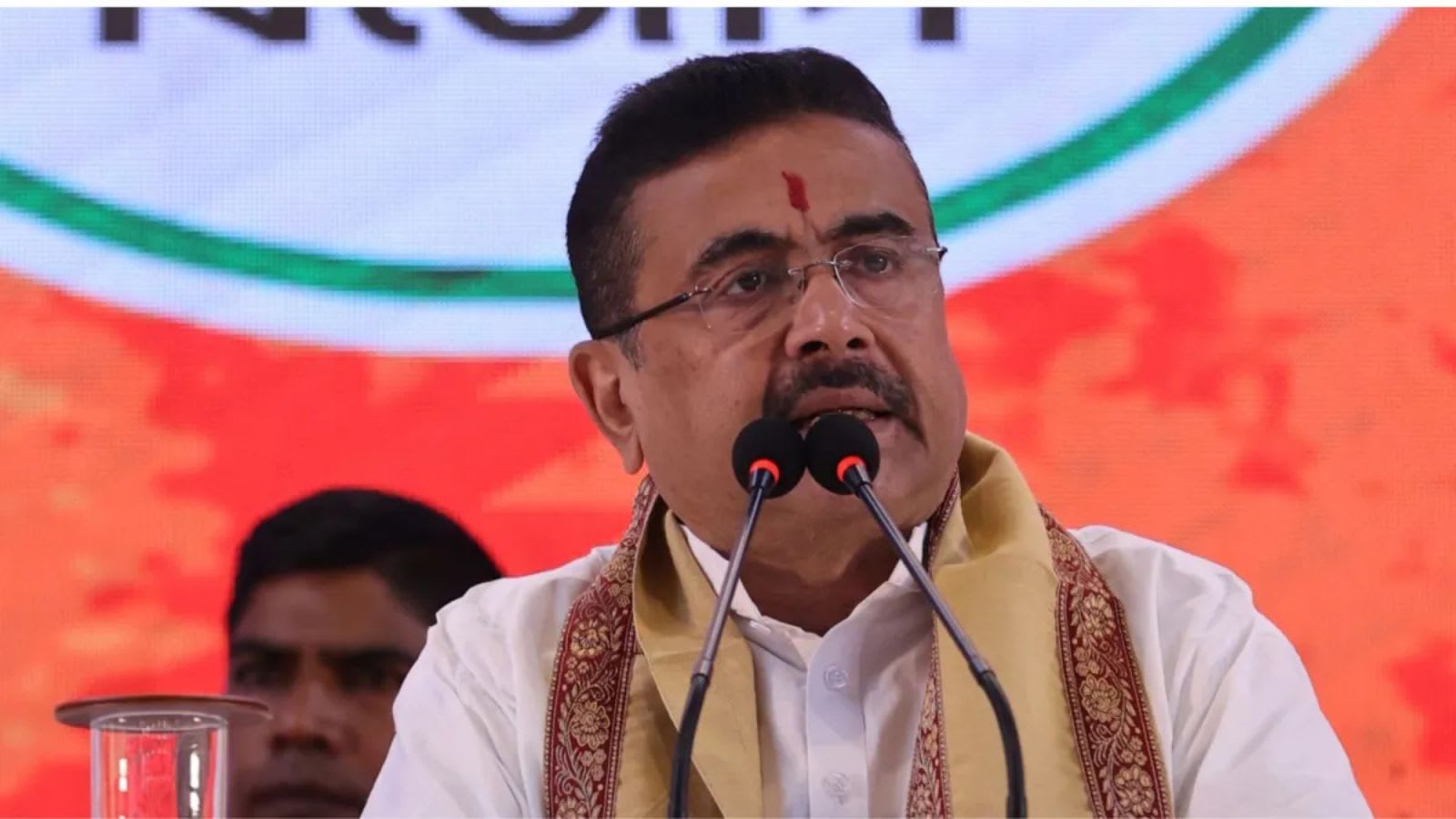
West Bengal's 'anti-Goonda' Bill faces conflicting reports regarding its status with the President. While the Opposition claims the bill was returned for reconsideration due to overlap with central laws, CM Suvendu Adhikari insists it remains under active consideration.
The Controversy Surrounding West Bengal’s Anti-Goonda Bill
A significant political firestorm has erupted in West Bengal following conflicting reports regarding the status of the West Bengal Public Safety and Control of Anti-Social Activities Bill, 2026. While initial reports suggested that President Droupadi Murmu returned the legislation for reconsideration due to jurisdictional overlaps with central laws, Chief Minister Suvendu Adhikari has categorically denied these claims, asserting that the bill remains under active consideration by the Union Home Ministry.
Legislative Intent and Scope
Passed by the West Bengal Assembly on June 29, 2026, the proposed legislation—commonly referred to as the 'anti-Goonda Bill'—represents a cornerstone of the current administration’s policy platform. The bill is designed to grant the state government broad powers to tackle organized crime, extortion, illegal mining, and cybercrime. By framing it as a preventive detention statute, the government aims to curb what it describes as widespread anti-social activities, effectively marking a shift in the state's approach to public order and security.
The Conflict of Jurisdictions
The primary point of contention regarding the bill's validity stems from concerns raised by the Union government. Reports suggest that the Centre identified a conflict between the state’s proposed provisions and the existing Prevention of Illicit Traffic in Narcotic Drugs and Psychotropic Substances (PITNDPS) Act, 1988. The concern is that the state’s legislation could inadvertently create a "parallel preventive-detention mechanism" that undermines or duplicates federal authority, particularly concerning drug-related offenses.
Political Backlash and Opposition Stance
The Opposition, led by TMC figures like Abhishek Banerjee, has seized on the reports of the bill being returned to criticize the government's legislative competence. Banerjee characterized the situation as a failure in governance, using the metaphor of "homework returned for correction" to mock the administration. Furthermore, MLA Kunal Ghosh has drawn controversial parallels between the proposed law and the British-era Rowlatt Act, arguing that the bill grants excessive, unchecked powers to the state, which critics fear could be used for political suppression rather than crime control.
CM Adhikari’s Defense
In a direct rebuttal to the media and political opponents, Chief Minister Suvendu Adhikari held a press conference flanked by senior bureaucrats to clarify that the bill has not been returned. Adhikari emphasized that the legislation is "crystal clear" and expressed confidence that it will eventually receive the President’s assent. This confrontation highlights the ongoing friction between the state government and its critics, as well as the delicate procedural dance required when state-level legislation intersects with central statutes.
Broader Implications and Future Trends
The resolution of this legislative stalemate will have significant implications for the future of state-central relations in India. If the bill is eventually cleared, it will signal a notable expansion of state police powers in West Bengal. However, if the President insists on amendments to avoid overlapping with central acts like the PITNDPS, it will set a precedent for how states must draft security laws to avoid constitutional or statutory conflict. As the debate continues, the focus remains on whether the bill serves as a necessary tool for public safety or an overreach of executive authority.
Multiple Citing Sources