West Bengal announces Rs 50,000 study grant for women
Source Entity
The Indian Express
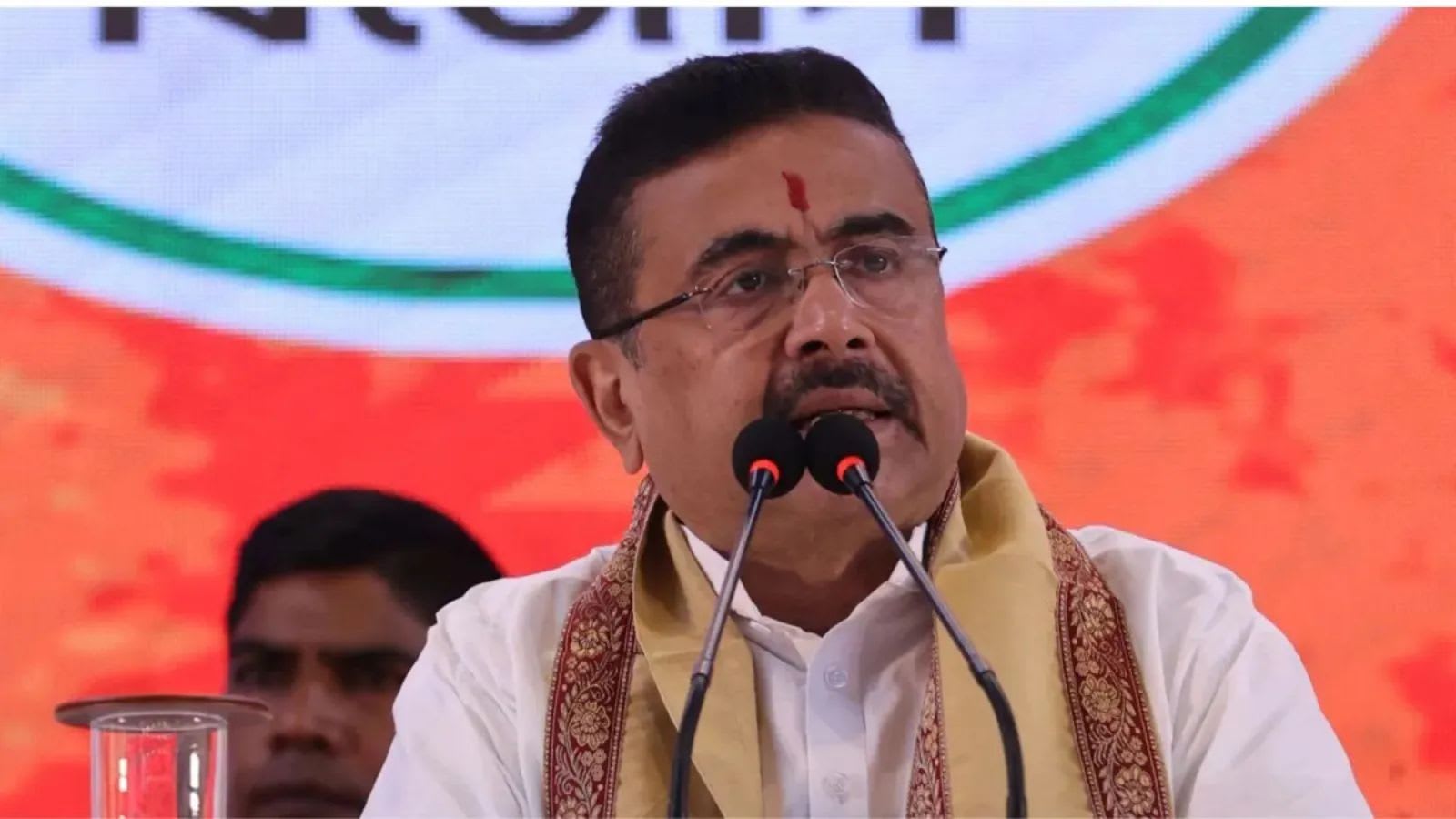
West Bengal has launched the Bhagini Nivedita Scheme, offering Rs 50,000 to unmarried women for higher education starting in 2027. Additionally, the state government plans to fill over 14,000 vacant posts in the coming months.
Empowering Education: The Bhagini Nivedita Scheme
West Bengal Chief Minister Suvendu Adhikari has announced the approval of the Bhagini Nivedita Scheme, a significant policy initiative designed to bolster the educational pursuits of unmarried women across the state. By providing direct financial assistance, the government aims to reduce the economic barriers that often prevent women from completing their undergraduate degrees. This move reflects a broader administrative focus on gender-specific welfare programs intended to improve literacy and employment readiness among the female population.
Financial Structure of the Grant
The financial architecture of the Bhagini Nivedita Scheme is structured to provide sustained support throughout a three-year academic tenure. Beneficiaries will receive Rs 17,000 during both their first and second years of study, followed by a disbursement of Rs 16,000 in the third year. This tiered approach ensures that students have consistent financial backing to cover tuition, materials, and other essential academic expenses, culminating in a total grant of Rs 50,000 per student.
Implementation and Timeline
While the announcement marks a major policy milestone, the implementation of the scheme is slated for January 2027. This lead time allows the state government to establish the necessary bureaucratic framework, verification processes, and digital infrastructure required to manage the distribution of funds effectively. By setting a clear start date, the administration provides prospective students with a timeline to plan their higher education aspirations in alignment with the state's support system.
Expanding Employment Opportunities
Beyond the educational grant, the Chief Minister also addressed the state's labor market by announcing the recruitment of 14,454 government posts. These vacancies are expected to be filled within a six-to-eight-month timeframe. This dual approach—investing in human capital through education while simultaneously expanding government workforce capacity—suggests a comprehensive strategy aimed at stimulating economic activity and addressing unemployment within the state.
Broader Implications and Future Trends
The combination of the Bhagini Nivedita Scheme and the massive recruitment drive indicates a dual-track effort to modernize the state's socio-economic landscape. By targeting unmarried women for educational grants, the government is likely attempting to improve long-term workforce participation rates. Furthermore, the commitment to fill thousands of government positions signals a prioritization of administrative efficiency and public service delivery, which may serve as a blueprint for future state-level policy interventions in India.
Conclusion
In summary, the announcement by the West Bengal government represents a concerted effort to link educational attainment with financial independence and state-led employment opportunities. As the state moves toward the 2027 implementation date for the Bhagini Nivedita Scheme, the success of these initiatives will likely depend on the transparency of the selection process and the effective management of the upcoming government recruitment cycle.