West Bengal government seeks support of DMSC for cervical cancer vaccination for sex workers in Sonagachi
Source Entity
India Latest News: Top National Headlines Today & Breaking News | The Hindu
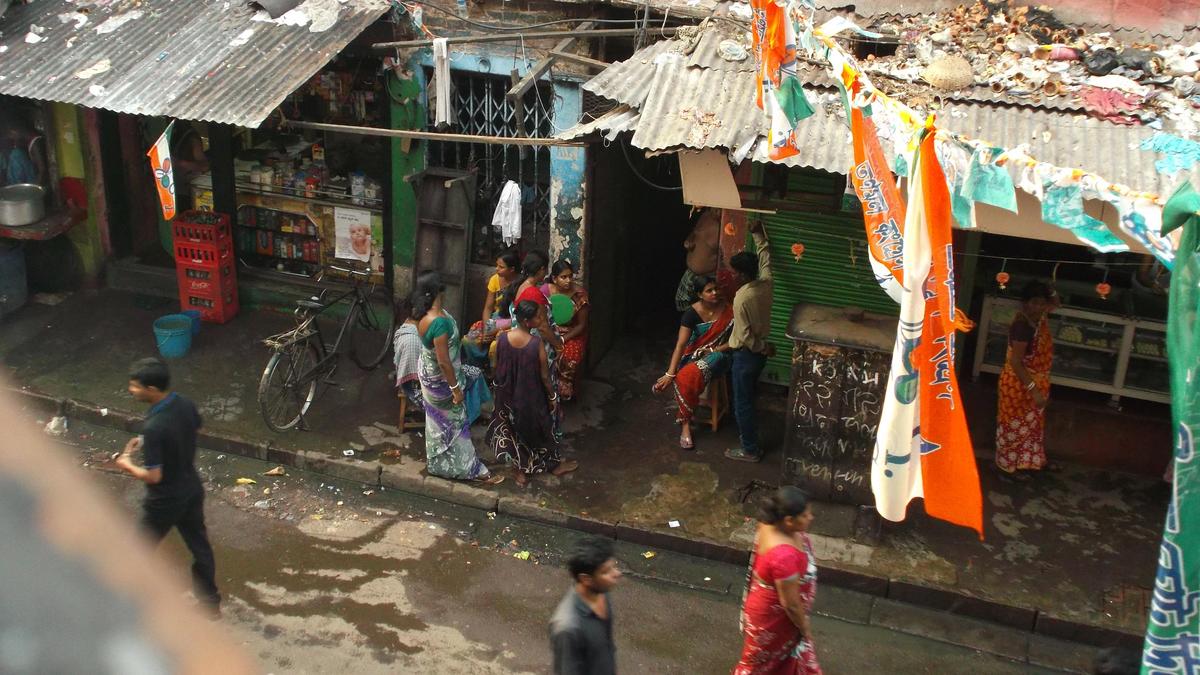
Durbar Mahila Samanwaya Committee, a collective for working on rights and recognition of sex workers, celebrates 31 years
Inclusive Healthcare: West Bengal's Strategic Partnership with DMSC
The West Bengal government's recent initiative to seek the support of the Durbar Mahila Samanwaya Committee (DMSC) for a cervical cancer vaccination drive in Sonagachi represents a pivotal intersection of public health and social justice. By targeting one of the most marginalized demographics—sex workers—the state is acknowledging a critical gap in healthcare equity. This move is not merely a medical intervention but a strategic effort to ensure that preventative healthcare reaches populations that are often invisible to traditional state mechanisms due to social stigma and systemic barriers.
The Role of the Durbar Mahila Samanwaya Committee (DMSC)
To understand the significance of this partnership, one must look at the history of the DMSC. Celebrating 31 years of operation, the DMSC has evolved into one of the most influential collectives for the rights and recognition of sex workers in Asia. Based in Sonagachi, one of the largest red-light districts in the world, the DMSC has spent over three decades building a framework of self-reliance and advocacy. Because the DMSC is led by the workers themselves, they possess a level of trust and cultural competency that government health officials typically lack. In environments where fear of police harassment or social judgement is high, the DMSC acts as a vital bridge, transforming a government mandate into a community-accepted health benefit.
Addressing the Clinical Urgency of HPV Vaccination
Cervical cancer is predominantly caused by persistent infection with high-risk types of the Human Papillomavirus (HPV). Due to the nature of their profession and limited access to regular screenings, sex workers are statistically more vulnerable to HPV infections. The introduction of a vaccination drive is a proactive shift from curative to preventative medicine. By providing the HPV vaccine, the West Bengal government is targeting the root cause of cervical cancer, potentially saving thousands of lives and reducing the long-term burden on the public health infrastructure. This initiative aligns with global health goals to eliminate cervical cancer through vaccination, screening, and treatment.
Breaking Systemic Barriers through Bottom-Up Governance
The government's decision to request support from the DMSC rather than imposing a top-down medical drive is a masterclass in bottom-up governance. Historically, health interventions in red-light districts have failed when they ignore the social dynamics of the community. By leveraging the DMSC's organizational structure, the state can ensure higher vaccination uptake, more accurate data collection, and a safer environment for the recipients. This approach mitigates the 'fear factor' associated with state interaction, ensuring that the women of Sonagachi feel empowered rather than policed during their medical appointments.
Broader Implications for Health Equity
This collaboration sets a significant precedent for how the Indian state interacts with 'key populations.' By recognizing the DMSC as a legitimate partner in public health, the government is implicitly validating the agency and rights of sex workers. This could trigger a ripple effect, leading to the integration of other essential services—such as comprehensive mental health support, regular gynecological screenings, and maternal care—into the community's routine. It signals a transition toward a more inclusive healthcare model where the 'right to health' is decoupled from social morality.
Future Trends in Community-Led Public Health
Looking ahead, the 'Sonagachi model' of partnering with grassroots collectives could serve as a blueprint for other states in India. As the country strives toward Universal Health Coverage (UHC), the integration of community-led organizations will be essential to reach the 'last mile.' We can predict a trend where the government increasingly relies on specialized collectives to manage vaccination drives for other preventable diseases, utilizing these networks to bypass the bureaucratic friction and social biases that often hinder public health initiatives in urban slums and marginalized enclaves.
Conclusion
In summary, the partnership between the West Bengal government and the DMSC for cervical cancer vaccination is a landmark effort in inclusive medicine. By combining the state's medical resources with the DMSC's community trust, the initiative ensures that life-saving preventative care is delivered with dignity. This synergy not only addresses a pressing medical need but also reinforces the importance of community agency in achieving true health equity for all citizens, regardless of their social standing.
Verification Required?