Bengal to give Rs 5 lakh to each Rath Yatra committee, shower petals on kanwariyas
Source Entity
Ravik Bhattacharya
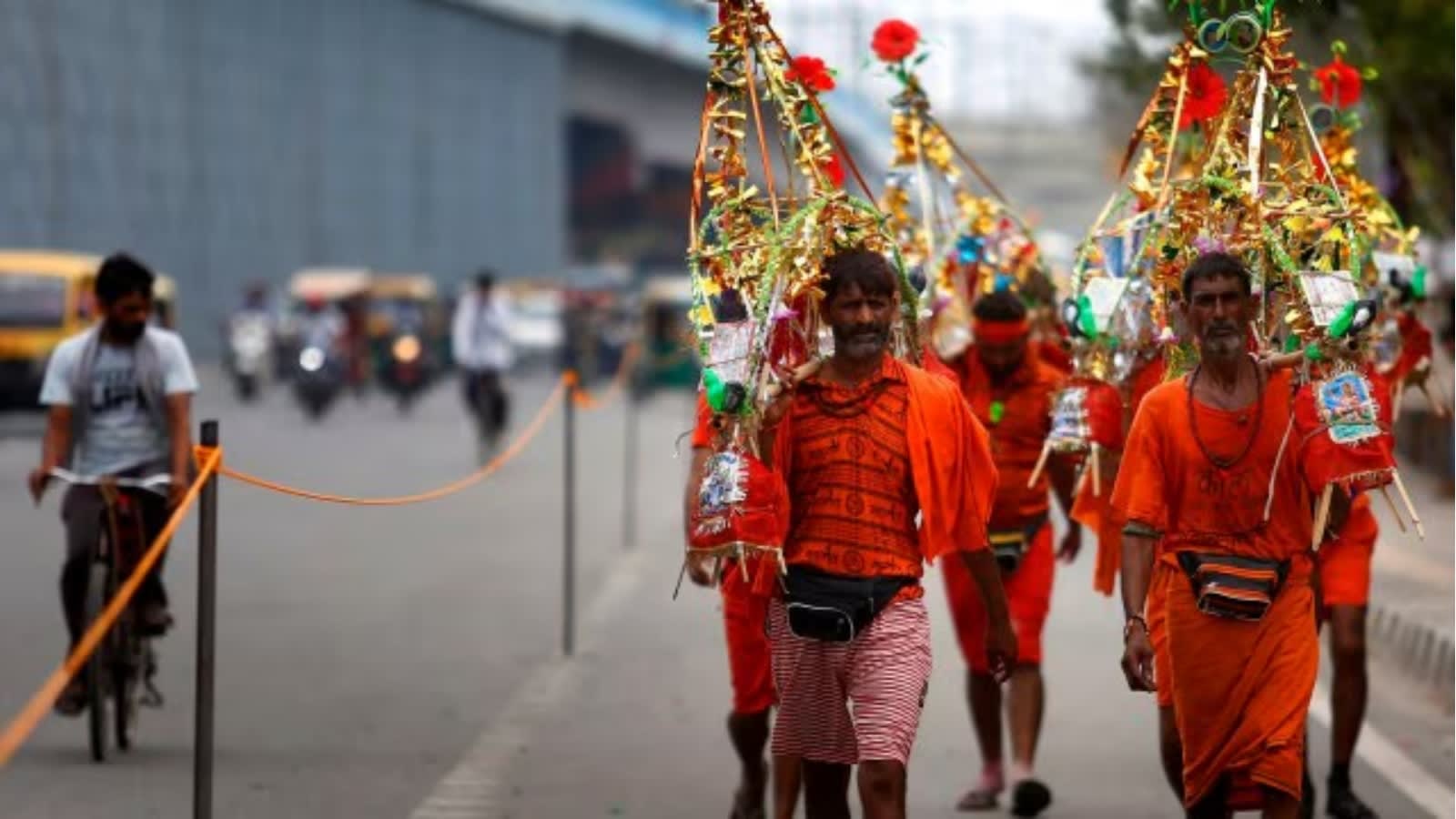
The Bengal government Monday announced a slew of measures for the upcoming Rath Yatra festival, including a grant of Rs 5 lakh each to Rath Yatra committees in the state. The government has also deci...
West Bengal's Strategic Festive Support: Analyzing the Rath Yatra and Kanwariya Initiatives
In a significant move to bolster religious celebrations and maintain communal harmony, the West Bengal government has announced a comprehensive support package for the upcoming Rath Yatra festival. The centerpiece of this announcement is a direct financial grant of Rs 5 lakh to be provided to each Rath Yatra committee across the state. Additionally, the government has detailed plans to welcome kanwariyas—devotees of Lord Shiva who carry holy water from the Ganges—by showering them with petals, a gesture intended to signal hospitality and respect toward pilgrims.
Financial Empowerment of Religious Committees
The allocation of Rs 5 lakh per committee is a substantial administrative step that addresses the logistical challenges inherent in organizing the Rath Yatra. These festivals often draw massive crowds, requiring significant expenditure on temporary infrastructure, security arrangements, sanitation, and ritual requirements. By providing this grant, the state government is effectively shifting some of the financial burden away from local community organizers, ensuring that the festivities are conducted with better organization and safety standards. This move not only facilitates the religious event but also ensures that the public spaces used for the procession are managed more efficiently.
The Symbolic Significance of Welcoming Kanwariyas
The decision to shower petals on kanwariyas transcends mere hospitality; it is a deeply symbolic gesture. The journey of the kanwariyas during the month of Sawan often involves traversing long distances and passing through various urban and rural hubs. Historically, the movement of large groups of pilgrims can sometimes lead to logistical friction or communal tensions. By adopting a welcoming posture, the state government aims to preemptively create a positive atmosphere, ensuring that the pilgrims feel valued and safe, thereby reducing the likelihood of conflict and promoting a spirit of peace and coexistence.
Socio-Political Implications and State Patronage
From a political perspective, these measures can be viewed as an effort by the West Bengal government to project an image of inclusivity and support for traditional Hindu practices. In the complex political landscape of India, state patronage of religious festivals is often a tool for building goodwill among diverse voter bases. By actively funding the Rath Yatra and honoring kanwariyas, the administration is signaling its commitment to upholding the cultural fabric of the state, potentially countering narratives of religious neglect and reinforcing its bond with the religious community.
Administrative Coordination and Public Safety
Beyond the financial and symbolic gestures, these announcements imply a broader administrative mobilization. The coordination between the state government and the Rath Yatra committees is crucial for maintaining law and order. The grant likely comes with expectations of cooperation regarding crowd control and traffic management. The specific mention of kanwariyas suggests that the state police and local administration have been instructed to facilitate the movement of pilgrims rather than merely policing them, marking a shift toward a more service-oriented approach to festive security.
Historical Context of Festive Grants in India
This initiative aligns with a broader trend across various Indian states where governments provide financial aid for major religious festivals to ensure they are conducted without disruption. Whether it is the Kumbh Mela or Durga Puja, state intervention has evolved from simple security provision to active financial and logistical partnership. West Bengal's current approach reflects this evolution, recognizing that the success of large-scale public religious events depends heavily on the synergy between state resources and community-led organization.
Conclusion and Future Outlook
Overall, the West Bengal government's decision to provide financial grants to Rath Yatra committees and welcome kanwariyas with petals is a multifaceted strategy aimed at social stability and cultural promotion. By combining material support with symbolic gestures of respect, the state is attempting to ensure a seamless festive season. Looking forward, these measures are likely to set a precedent for how the administration handles other major religious gatherings, emphasizing a blend of financial empowerment and inclusive hospitality to maintain peace and public order.