Bengal govt forms 9-member panel to examine draft UCC bill; legislation may be tabled in August
Source Entity
TOI NEWS DESK
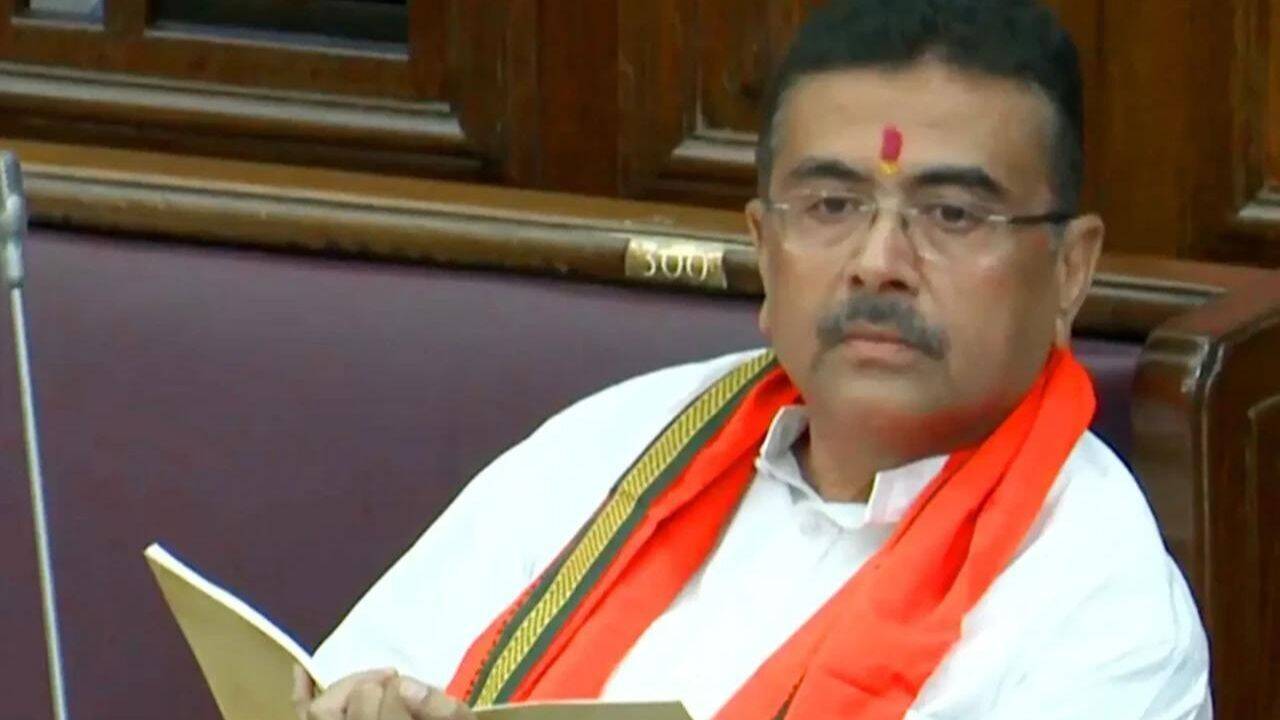
West Bengal has formed a nine-member committee to review the Uniform Civil Code draft. Retired Supreme Court judge Justice Ranjana Prakash Desai will head this expert panel. The proposed legislation aims to create a uniform legal framework for personal civil matters. The draft bill is expected to be introduced during the Assembly's August session.
Analysis of West Bengal's Move Toward a Uniform Civil Code
The West Bengal government's decision to establish a nine-member committee to scrutinize the draft Uniform Civil Code (UCC) represents a significant shift in the state's approach to personal laws. By appointing an expert panel, the administration is signaling a desire for a structured, legally sound framework before presenting the bill to the Legislative Assembly. This move underscores the inherent complexity of implementing a uniform law in a state known for its diverse demographic, religious, and cultural tapestry, where personal laws have historically been fragmented along communal lines.
Judicial Rigor and the Role of the Panel
Led by retired Supreme Court judge Justice Ranjana Prakash Desai, the panel's composition is strategically designed to ensure judicial rigor and neutrality. The involvement of a former apex court judge suggests that the government is prioritizing constitutional validity and the protection of fundamental rights. The nine-member structure likely incorporates legal scholars and social experts, ensuring that the draft is not merely a political document but a comprehensive legal instrument capable of withstanding the inevitable judicial scrutiny that accompanies changes to personal laws.
Understanding the Implications of the UCC
To understand the weight of this move, one must examine the core objective of a Uniform Civil Code. Currently, personal matters such as marriage, divorce, inheritance, and adoption in India are governed by diverse religious laws, such as the Hindu Marriage Act and Muslim Personal Law. A UCC seeks to replace these fragmented laws with a single set of rules applicable to all citizens regardless of their faith. In West Bengal, this transition could potentially redefine familial structures and property rights, making the review process critical to avoid legal contradictions and social unrest.
Political and Social Dynamics in West Bengal
Implementing a UCC in West Bengal is a delicate balancing act. The state has a long history of emphasizing pluralism and secularism. The move to review a UCC draft may be framed as an attempt to modernize civil laws and ensure gender equality, but it also risks alienating various community groups who view personal laws as integral to their religious identity. The government's decision to utilize an expert panel rather than rushing the bill suggests a strategic effort to mitigate social friction through a process of 'expert validation,' thereby providing a layer of legitimacy to the proposed changes.
Legislative Timeline and the August Session
The expectation that the legislation will be tabled during the August session of the Assembly creates a tight window for the panel's deliberations. This timeline suggests a sense of urgency to address civil law disparities. If the bill is introduced in August, it will likely trigger intense debates within the house, forcing political parties to take clear stances on the intersection of state law and religious tradition. The speed of this process will be a key indicator of the government's commitment to the reform.
Alignment with National Trends
This development does not occur in a vacuum; it reflects a broader national discourse in India where the UCC has become a focal point of political and legal debate. With some states already moving toward implementation, West Bengal is engaging with a national trend, although its specific approach—utilizing a high-level judicial panel—may differ from the methods used in other regions. This could set a regional precedent for how states navigate the tension between central aspirations for legal uniformity and local sensitivities.
Conclusion
Ultimately, the formation of this committee is the first step in a potentially transformative legal journey for West Bengal. Whether the resulting legislation achieves a true balance between uniformity and diversity remains to be seen. However, the focus on judicial expertise and a formal review process indicates that the government is aware of the high stakes involved in reforming the personal laws of its citizens, aiming for a transition that is legally sustainable and socially acceptable.