House Speaker Johnson says he hopes AI guardrails are 'voluntary' amid Congress inaction
Source Entity
US Top News and Analysis
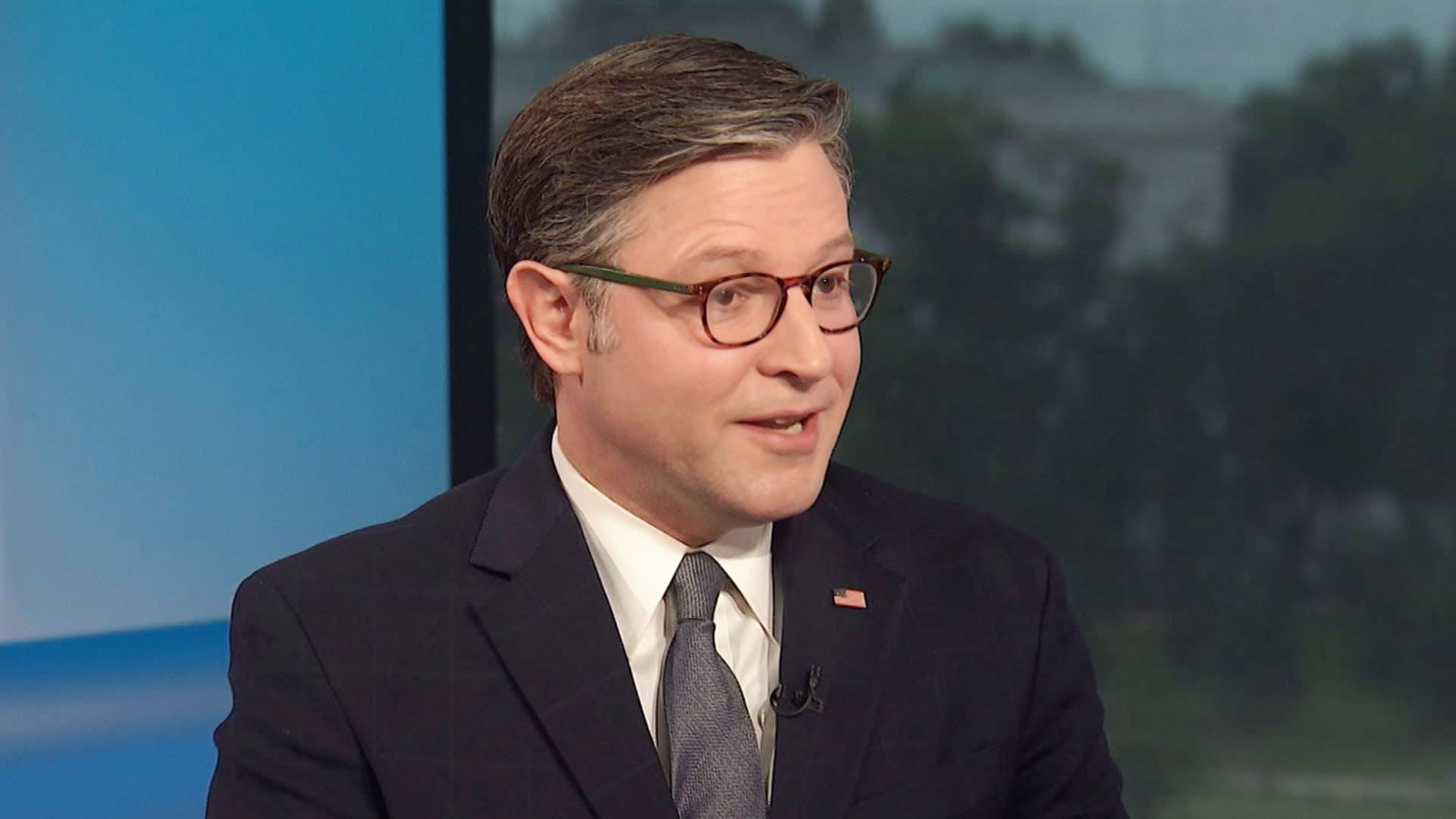
President Trump and House Speaker Mike Johnson are hosting major tech CEOs at the White House to discuss the future of AI governance. Speaker Johnson expressed a preference for voluntary industry guardrails while industry leaders face mounting pressure to address safety concerns.
The White House AI Summit: A Shift Toward Voluntary Governance
On Tuesday, a high-level meeting took place at the White House featuring President Donald Trump, House Speaker Mike Johnson, and the leadership of the world's most influential technology firms. The summit, which included figures such as Elon Musk (Tesla/SpaceX), Jensen Huang (Nvidia), Mark Zuckerberg (Meta), and Sundar Pichai (Google), signals a pivotal moment in how the United States intends to manage the rapid proliferation of artificial intelligence.
Speaker Johnson’s Stance on Regulation
Ahead of the luncheon, House Speaker Mike Johnson articulated a clear preference for a non-legislative approach to AI oversight. Speaking on CNBC’s Squawk Box, Johnson emphasized the need to "strike the right balance," explicitly stating his hope that guardrails remain "voluntary." This approach suggests that the current Congressional leadership is wary of stifling innovation through heavy-handed mandates, preferring instead to rely on the industry’s self-interest in maintaining public trust and investor confidence.
Industry Responsibility and Public Perception
The meeting occurs at a time when the call for AI regulation has reached a fever pitch, driven by both societal fears and the rapid evolution of large language models. Palantir CEO Alex Karp, also in attendance, noted that tech leaders must take responsibility for the dangers they are aware of, highlighting that the American public expects tech entities to adhere to the same standards as the rest of society. This sentiment underscores a growing tension between the desire for rapid technological advancement and the necessity of risk mitigation.
The Strategic Role of the White House
President Trump’s involvement, alongside key cabinet members like Secretary of State Marco Rubio and Energy Secretary Chris Wright, suggests that AI is being viewed through a lens of national security and economic competition rather than just corporate policy. The inclusion of the NASA Administrator and the discussion surrounding the "America.gov" tool further indicates that the administration is looking to integrate AI into federal service delivery, framing technology as a cornerstone of modern governance.
Historical Context and Future Implications
Historically, the U.S. government has often allowed nascent industries to self-regulate before implementing robust legislative frameworks. By positioning this meeting as a collaborative effort between the executive branch, Congress, and industry titans, the current administration is testing whether voluntary compliance can satisfy critics who demand stricter oversight. The presence of figures like Elon Musk and Jensen Huang indicates that the administration is prioritizing direct dialogue with the architects of AI infrastructure over top-down regulatory enforcement.
Conclusion: The Path Forward
While Speaker Johnson remains optimistic that the industry will see the "handwriting on the wall" and adopt safety measures independently, the pressure from Congress and the public remains significant. The outcomes of this luncheon will likely dictate the trajectory of U.S. AI policy for the coming years, setting a precedent for whether the "voluntary" model can effectively safeguard consumers while keeping the nation at the forefront of the global AI race.
Multiple Citing Sources