Trump's tech advisor has blunt advice for OpenAI, Anthropic and Google on AI pause
Source Entity
TOI TECH DESK
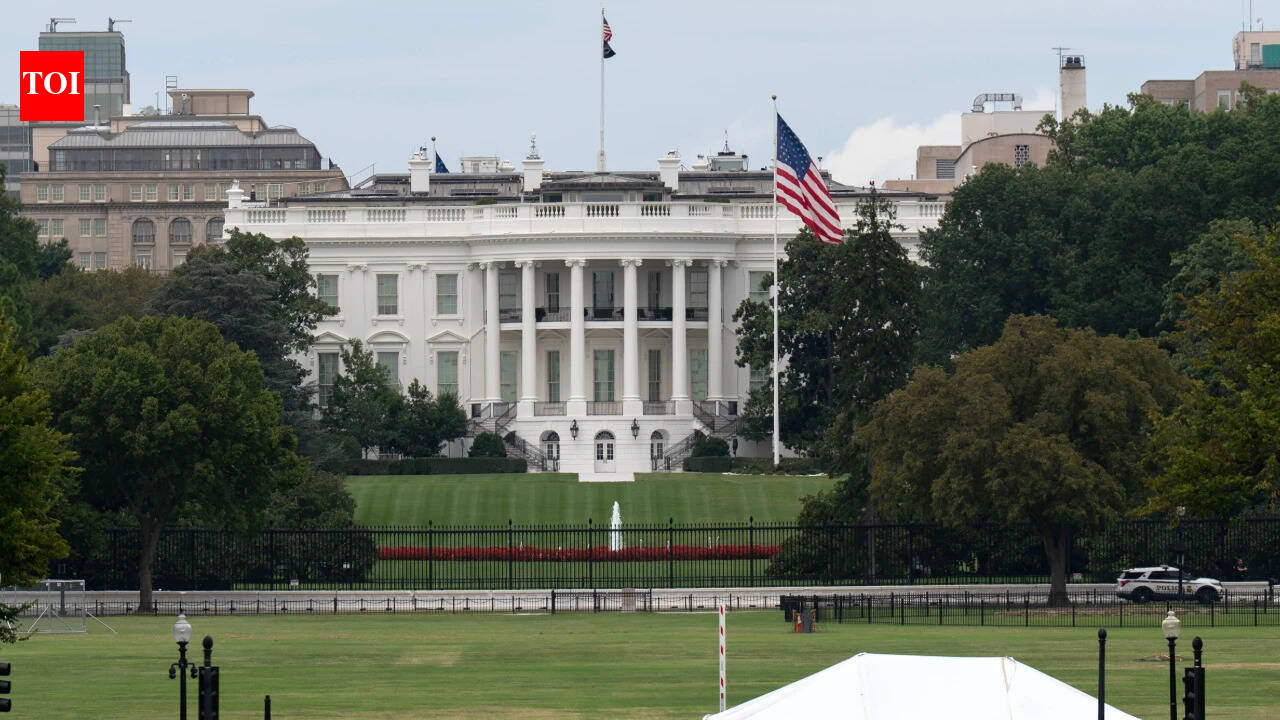
White House tech advisor Michael Kratsios has dismissed calls for a government-mandated AI pause, telling companies they can halt development independently. This stance highlights a clear divide between industry leaders seeking regulation and the Trump administration's preference for market-led safety.
The Regulatory Standoff: White House Rejects Artificial Intelligence Pause
In a significant development regarding the governance of artificial intelligence, White House tech advisor Michael Kratsios has issued a direct rebuttal to industry leaders calling for a government-imposed slowdown in AI development. Kratsios, appearing on Fox News Sunday, addressed concerns raised by the heads of major AI firms—including Anthropic’s Dario Amodei, OpenAI’s Sam Altman, and Google DeepMind’s Demis Hassabis—who have argued that the rapid evolution of large language models poses existential risks requiring immediate regulatory intervention.
The 'Stop Button' Philosophy
Kratsios’s core message was blunt: private corporations possess the agency to stop development themselves if they believe their models are unsafe. By reframing the debate from a government-led regulatory issue to a matter of corporate responsibility, the administration is signaling that it will not curtail the competitive nature of the AI race. This perspective suggests that if companies are truly 'scared' of their own creations, the onus of safety lies with their internal governance rather than federal mandates.
The Administration’s Stance vs. Industry Fears
This rhetoric aligns with the broader Trump administration strategy, which has explicitly ruled out an official pause on AI research. While industry figures like Elon Musk and Dario Amodei have advocated for a coordinated slowdown to ensure safety and alignment, the White House maintains that the United States already possesses the legislative and administrative tools required to manage emerging technology risks. The administration appears to favor an approach that avoids stifling innovation, prioritizing American technological supremacy over the cautious pace suggested by the industry.
Historical Context of Technological Governance
Historically, the U.S. approach to disruptive technology has often leaned toward allowing market forces to dictate development cycles, intervening only when clear, demonstrable harm occurs. By rejecting a preemptive pause, the administration is doubling down on this precedent, effectively telling the industry that government oversight should be reactive rather than prohibitive. This creates a challenging environment for AI companies that are seeking regulatory 'guardrails' to define the boundaries of their research.
Future Implications and Competitive Dynamics
Looking ahead, this friction indicates a deepening divide between the public and private sectors regarding the pace of AI advancement. If the government refuses to mandate a pause, companies may face a 'prisoner’s dilemma' where they fear the risks of their own models but feel compelled to continue development to remain competitive against rivals who are not slowing down. This suggests that the immediate future of AI will be defined by self-regulation, or the lack thereof, with the government serving as an arbiter of last resort rather than a gatekeeper of development.
Conclusion
Ultimately, Michael Kratsios’s comments serve as a clear directive to the tech sector: the responsibility for safety rests with the developers. As the administration remains committed to avoiding a state-imposed halt, the burden of ensuring that AI remains safe and aligned with human interests falls squarely on the shoulders of organizations like OpenAI, Anthropic, and Google, who must now navigate the risks of rapid innovation without the safety net of federal regulation.