What do the latest White House allegations mean for India? | Explained
Source Entity
India Latest News: Top National Headlines Today & Breaking News | The Hindu
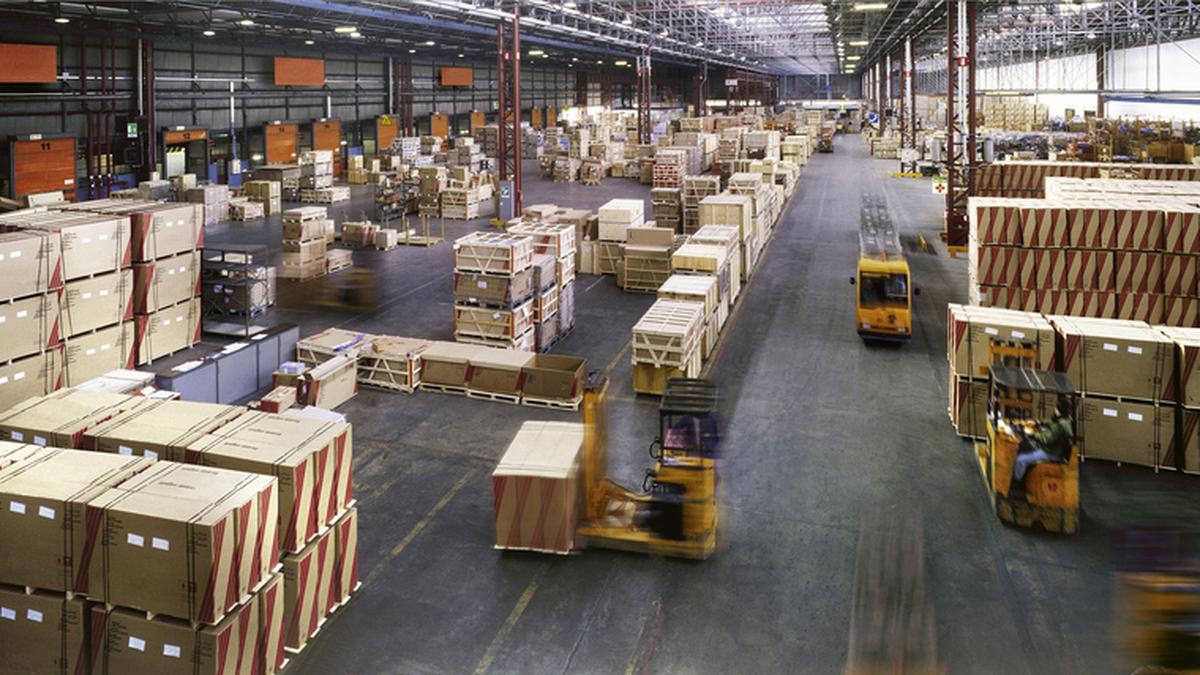
The White House has identified India as a key country facilitating the evasion of U.S. tariffs on Chinese goods through transshipment. This development highlights ongoing trade tensions and the complexity of global supply chains in the U.S.-China economic relationship.
The White House Transshipment Allegations: A Complex Trade Reality
Understanding the 'Great Transhipment Scam'
Recent reports indicate that the White House has identified over 40 nations, including India, as regions with an “elevated illegal transshipment risk.” This classification stems from a report dubbed ‘The Great Transhipment Scam,’ which suggests that these countries are acting as conduits for Chinese goods to bypass U.S.-imposed tariffs. By routing products through intermediary nations, goods originally manufactured in China are rebranded or processed minimally to circumvent direct trade barriers, effectively undermining the protective measures the U.S. government has implemented to shield its domestic industries.
The Historical Context of U.S.-China Economic Interdependence
To understand the gravity of these accusations, one must examine the evolution of the U.S.-China economic relationship over the last three decades. The two nations have developed a deeply intertwined dependency where China serves as the primary global factory, while the United States acts as the principal consumer and investor. This structural arrangement has historically resulted in substantial trade deficits for the U.S., prompting a recent push toward protectionism and supply chain diversification, often referred to as 'de-risking.'
India’s Role in Global Supply Chains
India’s inclusion alongside other major economies like Mexico, Canada, the European Union, Japan, and South Korea underscores the complexity of modern logistics. As global corporations seek to move operations away from China, India has emerged as a significant manufacturing and transshipment hub. While this growth is a positive indicator for India’s economic development, it also places the nation in a precarious position regarding U.S. trade enforcement. The White House’s designation suggests that India’s rapid integration into these supply chains has inadvertently created loopholes that are being exploited by actors seeking to evade tariffs.
The Geopolitical and Economic Implications
These allegations carry significant weight for India’s diplomatic and trade relations with Washington. As the U.S. intensifies its scrutiny of transshipment patterns, India may face increased regulatory pressure, audits, or even trade sanctions if it is seen as an active 'enabler' of Chinese evasion. This situation forces Indian policymakers to balance the benefits of attracting global manufacturing investment against the necessity of maintaining transparent trade compliance to avoid friction with its largest trading partner.
Future Trends and Regulatory Outlook
Looking ahead, it is likely that the U.S. will implement stricter 'Rules of Origin' requirements and enhanced customs monitoring to close these loopholes. For India, this means that the burden of proof will shift toward ensuring that goods exported to the U.S. meet rigorous value-add standards. The trend toward 'friend-shoring'—moving supply chains to allied nations—will remain a priority, but it will be tempered by the U.S. government’s aggressive stance on ensuring that these new supply routes do not merely serve as backdoors for Chinese goods.
Conclusion
The White House’s identification of India as a risk factor in the transshipment of Chinese goods marks a new chapter in global trade friction. As the U.S. continues to refine its approach to economic security, India must navigate the fine line between economic expansion and regulatory compliance. The outcome of these investigations will likely define the parameters of future U.S.-India trade agreements and influence how global manufacturing hubs manage the scrutiny of international trade regulators.
Verification Required?