White tiger Tejas becomes new attraction at Dehradun zoo
Source Entity
Latest News: Todays Latest News Headlines from India & World | Hindustan Times
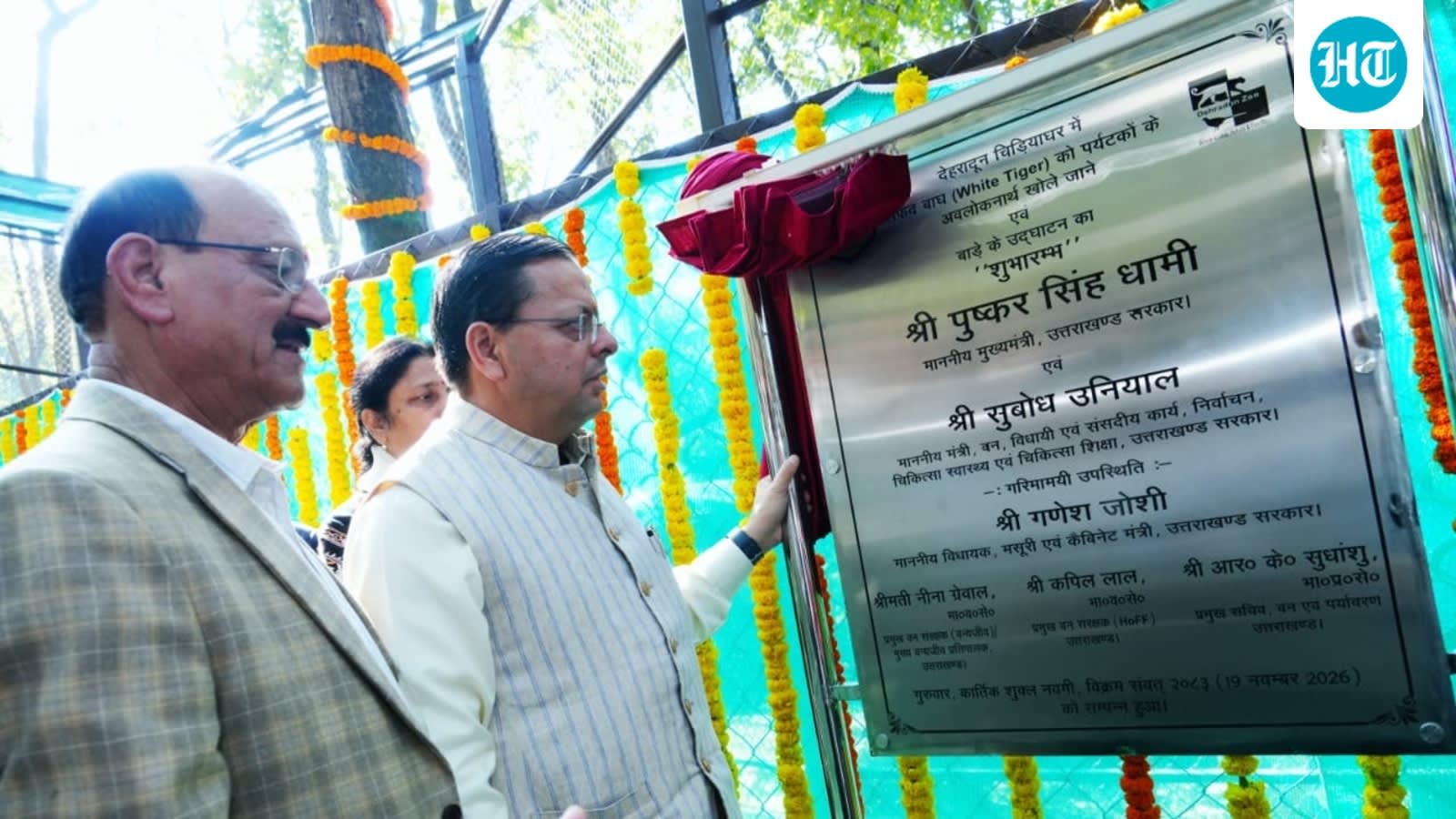
The Malsi Zoo in Dehradun has introduced its first-ever white tiger, named Tejas, to boost tourism and wildlife education. Chief Minister Pushkar Singh Dhami inaugurated the enclosure, which includes new incentives like free entry for college students.
A New Wildlife Milestone in Dehradun
The arrival of the white tiger, Tejas, at Malsi Zoo in Dehradun marks a significant milestone for wildlife conservation and tourism in Uttarakhand. As the first white tiger to be housed within the state, Tejas represents a unique addition to the regional biodiversity efforts managed by the local government. The inauguration of the animal’s enclosure by Chief Minister Pushkar Singh Dhami underscores the state's commitment to enhancing the zoo's infrastructure and its role as a premier destination for wildlife enthusiasts.
Boosting Tourism and Economic Growth
Beyond the biological significance, the introduction of a high-profile animal like a white tiger is a strategic move to stimulate the local economy. Malsi Zoo, which already attracts approximately 850,000 visitors annually, is looking to leverage this new attraction to increase footfall further. Historical data regarding the previous introduction of two other tiger species suggests that such additions significantly bolster visitor interest, providing a clear path for sustained growth in tourism revenue for the zoo and the surrounding Dehradun region.
Educational Outreach and Future Trends
In tandem with the arrival of Tejas, the state government has introduced a targeted initiative offering free entry to college students. This policy is designed to foster a deeper understanding of biodiversity, conservation, and animal welfare among the youth. By bridging the gap between recreational zoo visits and educational engagement, the administration is positioning Malsi Zoo as a hub for ecological awareness rather than a mere exhibition space.
Historical Context of Malsi Zoo
The zoo's evolution from a local facility to a major attraction reflects a broader trend in Indian wildlife management, where zoos are increasingly focusing on specialized species to captivate public interest. The government's decision to bring in Tejas follows a successful pattern of species diversification that has historically yielded positive results in visitor sentiment. This latest expansion is a testament to the ongoing efforts to modernize the zoo's animal management practices.
Implications for Conservation
While the primary goal of bringing Tejas to Dehradun is to enhance visitor experience, such initiatives also serve as vital conduits for public education. By placing iconic species in the public eye, the zoo creates opportunities for rangers and conservationists to discuss the challenges facing wild populations. This, in turn, cultivates a more informed public base that is more likely to support broader environmental conservation policies in the future.
Conclusion
The arrival of Tejas is more than just a new attraction; it is a calculated effort to blend economic tourism development with academic outreach. With the support of the state government and the strategic integration of educational incentives, Malsi Zoo is set to enhance its profile as a critical center for wildlife appreciation in Uttarakhand, ensuring that both the local economy and the public's environmental consciousness benefit from this new chapter.
Verification Required?