Why eggs have that white string
Source Entity
The Indian Express
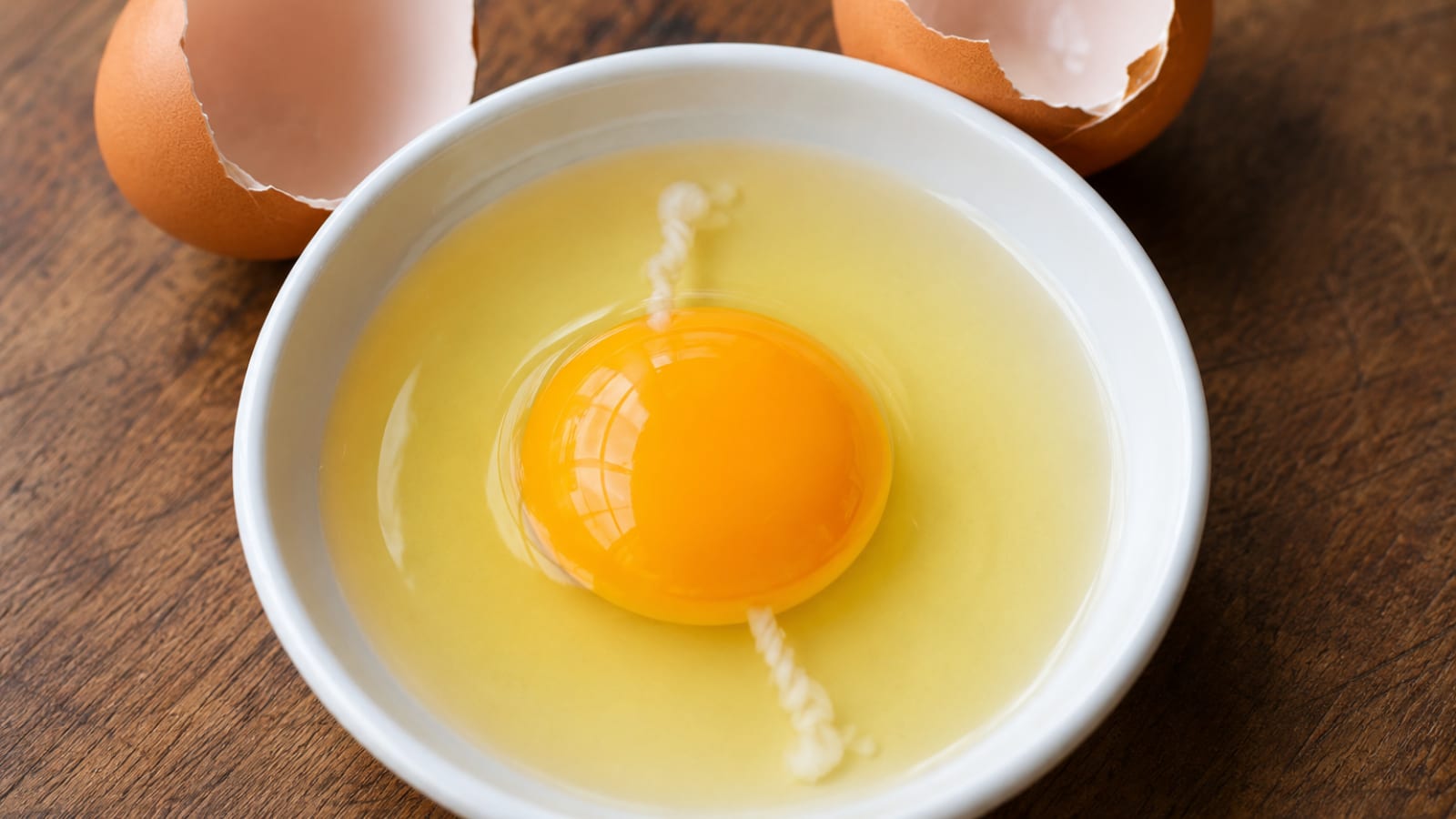
What t is the white that you see upon cracking your eggs? (Ai generated image) You crack open an egg, and there it is — a strange white string-like strand attached to the yolk. Many people spot it an...
Unlocking the Mystery of the Egg's White String
For many home cooks and breakfast enthusiasts, cracking an egg can occasionally reveal a peculiar sight: a thick, opaque, white stringy strand attached to the yolk. While some may mistake this for a contaminant or a sign of spoilage, this structure is a natural and essential part of avian biology. This phenomenon is not a flaw in the egg but rather a sophisticated piece of biological engineering designed to protect the developing embryo.
The Biological Identity: What is the Chalaza?
The white string is scientifically known as the chalaza. It consists of two spiral-shaped coils of albumin (egg white protein) that anchor the yolk in the center of the egg. These structures are formed during the egg's development in the hen's oviduct. The chalaza acts as a biological suspension system, ensuring that the yolk remains equidistant from the shell, which prevents the yolk from pressing against the sides of the egg where it could be more susceptible to damage or temperature fluctuations.
The Functional Purpose: Stability and Protection
From an evolutionary perspective, the chalaza serves a critical role in the survival of the species. By centering the yolk, the chalaza ensures that the blastodisc—the small spot on the yolk where the embryo develops—is kept in a safe, centralized position. This positioning is vital because it protects the embryo from mechanical shocks and ensures that it is surrounded by a consistent buffer of albumen, which provides both hydration and protein for the growing organism. Without these anchoring strands, the yolk would drift, potentially compromising the viability of the egg.
An Indicator of Freshness
One of the most practical applications of understanding the chalaza is using it as a gauge for egg freshness. In a very fresh egg, the chalazae are prominent, thick, and clearly visible. As an egg ages, the protein structures begin to break down due to natural enzymatic degradation. Consequently, the chalazae weaken and eventually disappear or become less noticeable. Therefore, seeing a distinct white string when you crack an egg is actually a positive sign, indicating that the egg is fresh and has maintained its structural integrity.
Health, Safety, and Culinary Implications
From a nutritional and safety standpoint, the chalaza is entirely harmless. It is composed of the same proteins found in the rest of the egg white and is perfectly safe for human consumption. While some professional chefs may remove the chalaza when preparing high-end custards or clarified butter to ensure a perfectly smooth texture, for the vast majority of culinary applications—such as omelets, cakes, or boiled eggs—it is unnecessary and irrelevant to the final taste or quality of the dish.
Conclusion: The Brilliance of Natural Engineering
In summary, the white string found in eggs is a testament to the efficiency of nature. The chalaza transforms a simple shell of nutrients into a protected environment capable of supporting life. By understanding the science behind this structure, consumers can move past the initial confusion and appreciate the biological complexity of a common kitchen staple. Far from being a defect, the chalaza is a marker of quality and a masterclass in organic stabilization.