Influencers at US Open: Top tennis players split on invited content creators
Source Entity
Bhuvan Gupta
Wimbledon has officially banned content creators and influencers from its 2027 tournament to preserve tennis etiquette. This decision follows recent player criticism regarding the distracting, chaotic atmosphere at the US Open.
The Battle for Court Etiquette: Wimbledon vs. The Influencer Era
The storied traditions of tennis are facing an unprecedented challenge as the sport navigates the intersection of digital-age marketing and professional competition. The All England Club’s recent decision to deny accreditation to content creators and influencers for the 2027 Wimbledon championships marks a definitive stand against the creeping influence of social media culture within the sport's most sacred spaces. By explicitly forbidding equipment like ring lights and prohibiting the disruptions associated with content production, Wimbledon is signaling a return to the rigorous standards of decorum that have historically defined the tournament.
The US Open Precedent and the 'Zoo' Factor
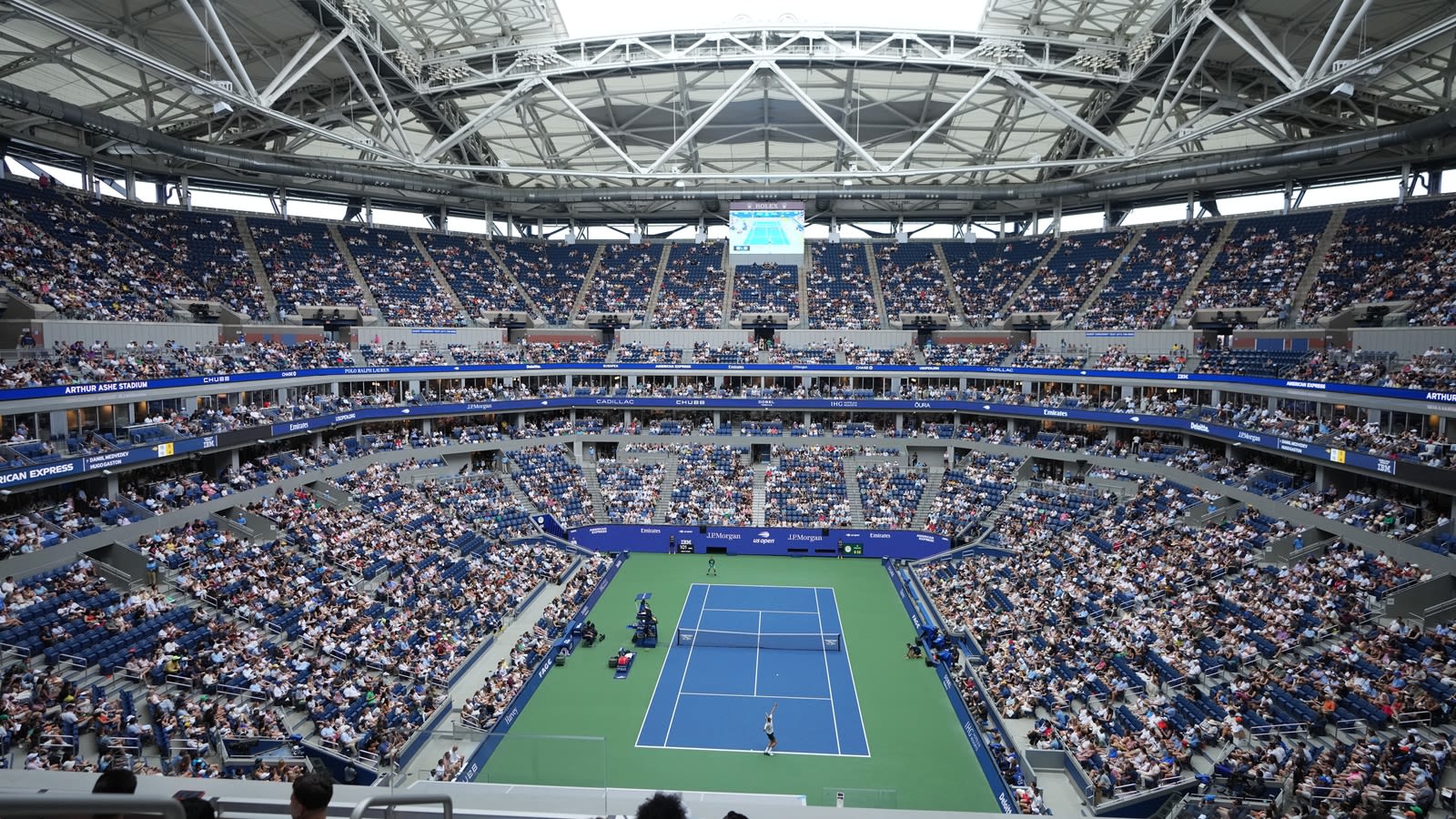
This policy shift is a direct response to the mounting tension observed at the US Open, where the presence of influencers has been increasingly scrutinized by the athletes themselves. French veteran Adrian Mannarino famously characterized the atmosphere at Flushing Meadows as a "zoo," citing the unrestricted movement of spectators and content creators during live points as a major distraction. For professional players, whose focus relies on intense concentration and rhythm, the intrusion of handheld technology and social media production during matches is not merely an annoyance—it is an impediment to their performance.
Beyond the Noise: Physical and Sensory Disruptions
Mannarino’s complaints extend beyond mere movement; he highlighted environmental factors, including the presence of noise and the smell of marijuana on the court, which he suggests are symptomatic of a tournament environment that has become too permissive. These observations underscore a growing divide between the tournament organizers who prioritize accessibility and viral reach and the athletes who demand a controlled, professional environment. The decision to seize equipment like ring lights demonstrates that the All England Club is willing to enforce physical boundaries to ensure the sanctity of the match environment is maintained.
The Erosion of Professional Boundaries
The tension between the commercial benefits of influencer marketing and the maintenance of tennis etiquette is at the heart of this conflict. While social media engagement can broaden the appeal of the sport to younger demographics, it risks undermining the very product it seeks to promote: the high-stakes, disciplined performance of world-class athletes. Wimbledon’s refusal to "play fast and loose" with these standards reflects a belief that the sport’s longevity depends on its ability to command respect and order, rather than catering to the fleeting trends of content creation.
Future Implications for Tennis
As other Grand Slam tournaments observe the fallout from this decision, we may see a broader recalibration of how tennis venues manage non-traditional media. If the US Open continues to face criticism from its participants, it may eventually be forced to adopt similar restrictive policies to ensure player satisfaction. Conversely, if Wimbledon’s approach successfully preserves the sport's prestige without losing its fan base, it could set a new global standard for professional sporting events, proving that the "influencer era" does not have to dictate the rules of engagement in high-stakes sports.