Tied to pole, beaten: Woman alleges assault by TMC goons in Narendrapur
Source Entity
Tanusree Bose
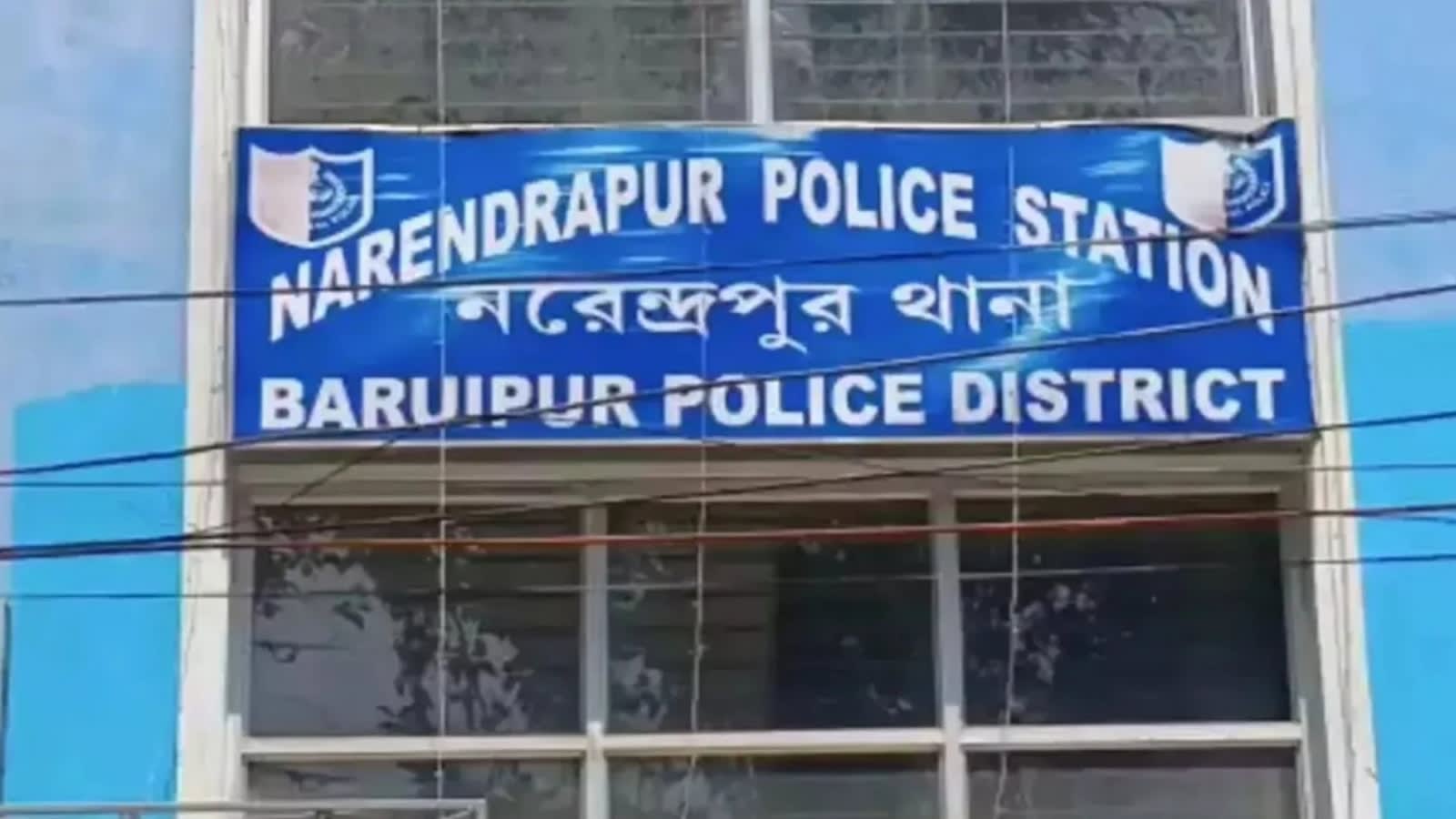
Days after the rape and murder of a Class VI student in Baruipur, a woman in her 30s has alleged that she was assaulted, her head partially shaven and tied to a lamp post by a group of men associated ...
Analysis of Alleged Political Violence in Narendrapur
The Brutality of the Assault
The reported incident in Narendrapur represents a harrowing escalation of physical and psychological violence. The allegation that a woman in her 30s was not only beaten but also had her head partially shaven and was tied to a lamp post suggests a calculated attempt at public humiliation. In the socio-cultural context of South Asia, the forced shaving of a woman's head has historically been used as a tool of social shaming and the stripping of dignity. By combining physical torture with these symbolic acts of degradation, the perpetrators aimed to send a message of absolute dominance and fear, extending the violence beyond physical pain to permanent emotional and social scarring.
The Shadow of the Baruipur Tragedy
This assault did not occur in a vacuum; it is explicitly linked to the volatile atmosphere following the rape and murder of a Class VI student in Baruipur. Such high-profile, heinous crimes often trigger widespread public outrage and protests. When a community is already grieving and angry, the emergence of further violence—especially when directed at individuals who may be perceived as dissenters or victims—indicates a breakdown of social cohesion. The proximity in time between the Baruipur tragedy and the Narendrapur assault suggests a climate of extreme instability where the rule of law is superseded by the whims of local power brokers.
Political Implications and Party Cadres
The allegation specifically names "TMC goons," pointing toward the involvement of party-affiliated cadres. In West Bengal, the intersection of political party machinery and local administration has often been a point of contention. When party workers are accused of operating above the law—conducting "street justice" or silencing critics through brutality—it reflects a systemic issue of political hegemony. This incident underscores the danger of the 'party-society' model, where political loyalty can potentially shield individuals from legal consequences, thereby emboldening them to commit acts of extreme violence against civilians.
Law and Order Breakdown in Narendrapur
From a law enforcement perspective, the fact that a woman could be tied to a public lamp post implies a catastrophic failure of policing or a chilling level of complicity. Public spaces are meant to be secured by the state; for such a brazen act of torture to take place in the open suggests that the perpetrators felt no fear of immediate police intervention. This creates a perception of state impotence, where the citizenry feels that the protectors of the law are either unable or unwilling to stop political violence, further eroding trust in the judicial and executive branches of the local government.
Broader Implications for Women's Safety
When viewed alongside the Baruipur case, the Narendrapur assault paints a grim picture of the safety and security of women in the region. The targeting of women through both sexual violence (in Baruipur) and gender-specific humiliation (in Narendrapur) suggests a pattern where women's bodies are used as battlegrounds for political and social control. The psychological impact on the female population is profound, as it reinforces the idea that vulnerability is high and protection is low, regardless of the nature of the crime.
Conclusion and Future Outlook
In summary, the Narendrapur incident is a stark reminder of the volatility that occurs when political power is wielded without accountability. The synthesis of the Baruipur murder and this subsequent assault indicates a region in the grip of severe social tension. Moving forward, the resolution of this case will be a litmus test for the state's commitment to justice. If the perpetrators are not held accountable, it will likely embolden further acts of political vigilantism. Conversely, a transparent investigation could begin to restore a semblance of the rule of law in a climate currently dominated by fear and brutality.