Women wrestlers move court against Brij Bhushan acquittal: ‘Ideal victim’ standard applied
Source Entity
Nirbhay Thakur
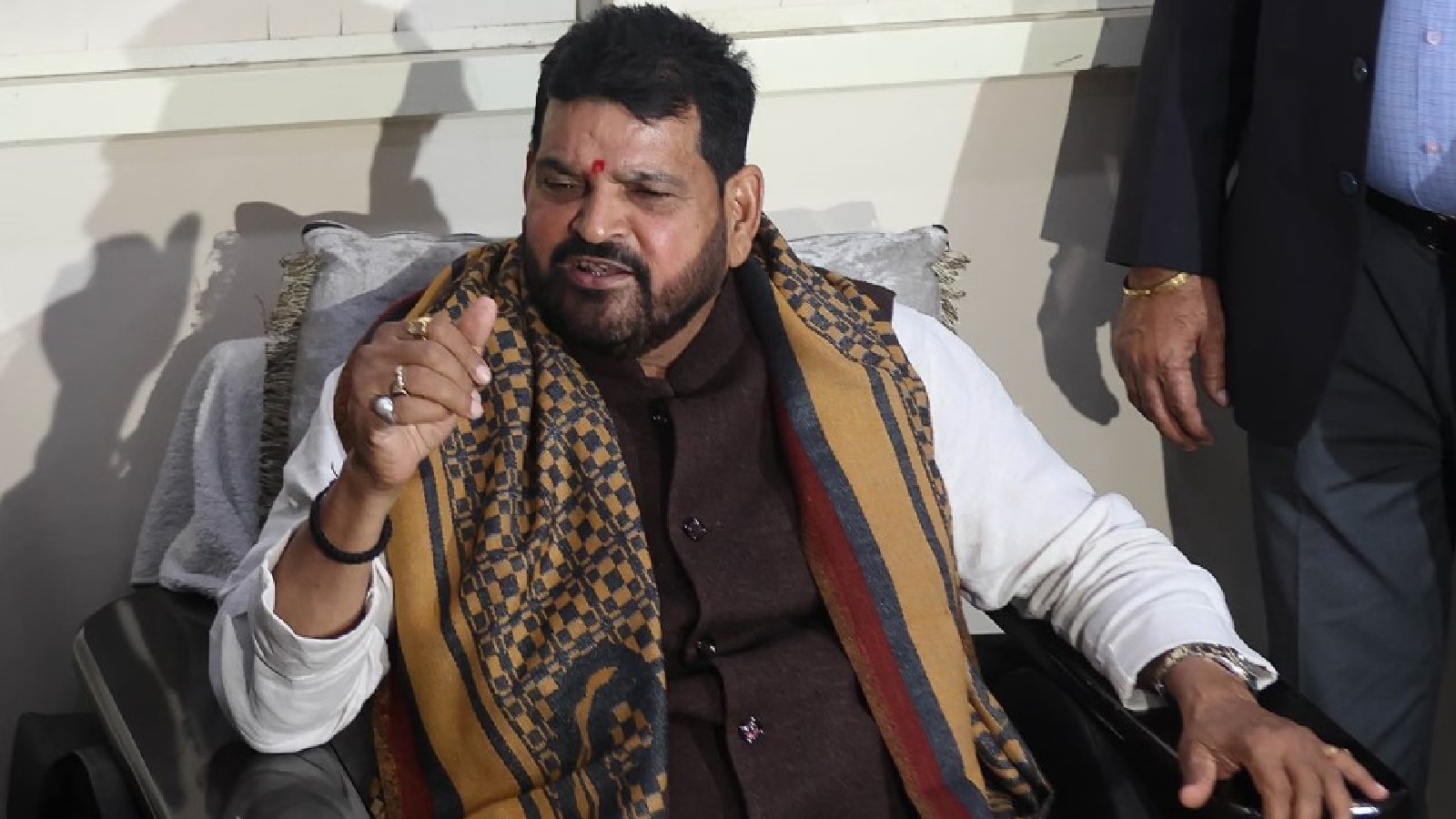
Prominent women wrestlers have formally challenged the acquittal of former WFI chief Brij Bhushan Sharan Singh in a sexual harassment case. The appeal, filed in Delhi's Rouse Avenue court, contests the legal standards applied during the initial trial.
Legal Challenge to the Brij Bhushan Acquittal
The Core Legal Dispute
The legal saga surrounding former Wrestling Federation of India (WFI) chief Brij Bhushan Sharan Singh has entered a new chapter as the women wrestlers involved in the case have officially challenged his acquittal. The petition, filed before the Rouse Avenue court, specifically targets the court's earlier decision to clear both Singh and his co-accused, Vinod Tomar, of sexual harassment charges. This appeal brings the judicial scrutiny back to the forefront, as Special Judge (MP-MLA Cases) Dig Vinay Singh is slated to preside over the proceedings.
The 'Ideal Victim' Standard Controversy
A central pillar of the wrestlers' challenge is the assertion that the original trial applied an 'ideal victim' standard. Legal experts and advocates often criticize this concept, which suggests that survivors must behave in a specific, stereotypical manner to be deemed credible by the justice system. By contesting this, the appellants are arguing that the lower court may have dismissed evidence by imposing unrealistic expectations on how a victim of harassment should react or document their experiences, thereby potentially compromising the integrity of the fact-finding process.
Contextualizing the High-Profile Trial
This case has been one of the most high-profile legal battles in India, drawing intense media attention since the accusations first surfaced. Reporting by journalists like Nirbhay Thakur, who specializes in high-stakes district court proceedings, has provided consistent coverage of the trial’s developments. The case is not merely about the individuals involved but serves as a litmus test for how the Indian judiciary handles sensitive allegations involving powerful political figures and the rights of professional athletes.
Broader Implications for Sports Governance
The case has deep implications for the governance of sports federations in India. The initial allegations sparked nationwide protests, highlighting systemic issues regarding the safety and representation of athletes within the WFI. The decision to challenge the acquittal underscores the determination of the complainants to seek what they perceive as justice, which could set a significant precedent for how future sexual harassment complaints within sporting bodies are handled and adjudicated in the court system.
Future Judicial Trends
As the hearing approaches this Saturday, the legal community will be watching closely to see how the court addresses the arguments regarding the 'ideal victim' standard. If the appellate court decides to reconsider the evidence based on these claims, it could signal a shift in how trial courts interpret testimonial evidence in sexual assault cases. This development is a crucial reminder of the complexity of criminal trials involving public figures, where the intersection of legal standards, public perception, and institutional accountability remains a volatile area of law.
Multiple Citing Sources