Popular women's clothing chain closes 177 stores
Source Entity
Yahoo Finance
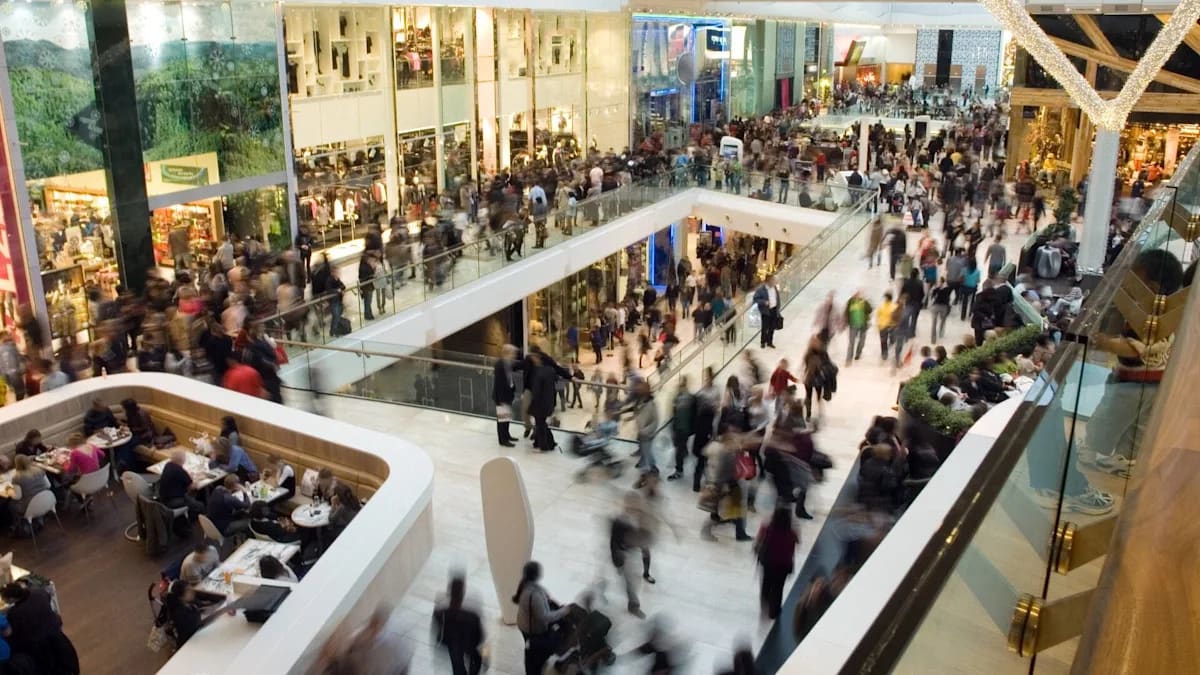
A major women's clothing retailer is closing 177 stores as consumer shopping habits shift. Despite the rise of e-commerce, data suggests that physical store visits are still heavily driven by the need to try on products.
The Shifting Landscape of Retail
The closure of 177 stores by a major women's clothing chain serves as a stark indicator of the ongoing volatility within the brick-and-mortar retail sector. While e-commerce giants like Amazon continue to dominate the market share for daily apparel needs, the sudden contraction of a large-scale physical footprint highlights the immense pressure retailers face in balancing operational costs against dwindling foot traffic. This development is not merely a localized event but a symptom of a broader structural transformation in how consumers interact with physical retail spaces.
The Importance of the In-Store Experience
Despite the convenience offered by online shopping, the physical store remains a critical touchpoint for consumer confidence. The provided data indicates that 52% of consumers still prioritize visiting physical stores specifically to try on clothes and test products before making a purchase. This desire for tactile verification acts as a primary defensive moat for traditional retailers, yet it is clearly not enough to sustain a massive store count in an era where digital overhead is significantly lower.
Data-Driven Consumer Behavior
According to a Chatmeter report, interest in the 'try-on' experience is not waning; in fact, references to testing products have surged by 32% year-over-year, and by a staggering 58% specifically within the beauty sector. This creates a paradox: consumers value the physical experience more than ever, yet they are increasingly selective about which brick-and-mortar locations they visit. Retailers that fail to convert this desire for 'touch-and-feel' into consistent sales volume are finding themselves forced into massive store consolidation strategies.
The Future of Hybrid Retail
Looking forward, the retail industry is likely to move toward a hybrid model where physical stores serve as showrooms rather than traditional warehouses for inventory. The fact that consumers are actively seeking dressing rooms to ensure fit and quality suggests that the 'experience' is the product. Chains that can optimize their physical footprint to emphasize these services, while simultaneously streamlining supply chains to match the efficiency of online competitors, will be the ones to survive this cycle of contraction.
Conclusion: A Strategic Pivot
The closure of 177 stores is likely an attempt by the retailer to recalibrate its cost structure to better align with contemporary shopping habits. As consumer preferences continue to favor the convenience of online procurement for routine items while maintaining a high demand for in-person testing for specialized apparel, retailers must adapt. Moving forward, the success of major chains will depend on their ability to justify the existence of physical locations by providing a unique value proposition that an online interface simply cannot replicate.