5 of the world’s smallest wild cats that are surprisingly skilled hunters
Source Entity
The Indian Express
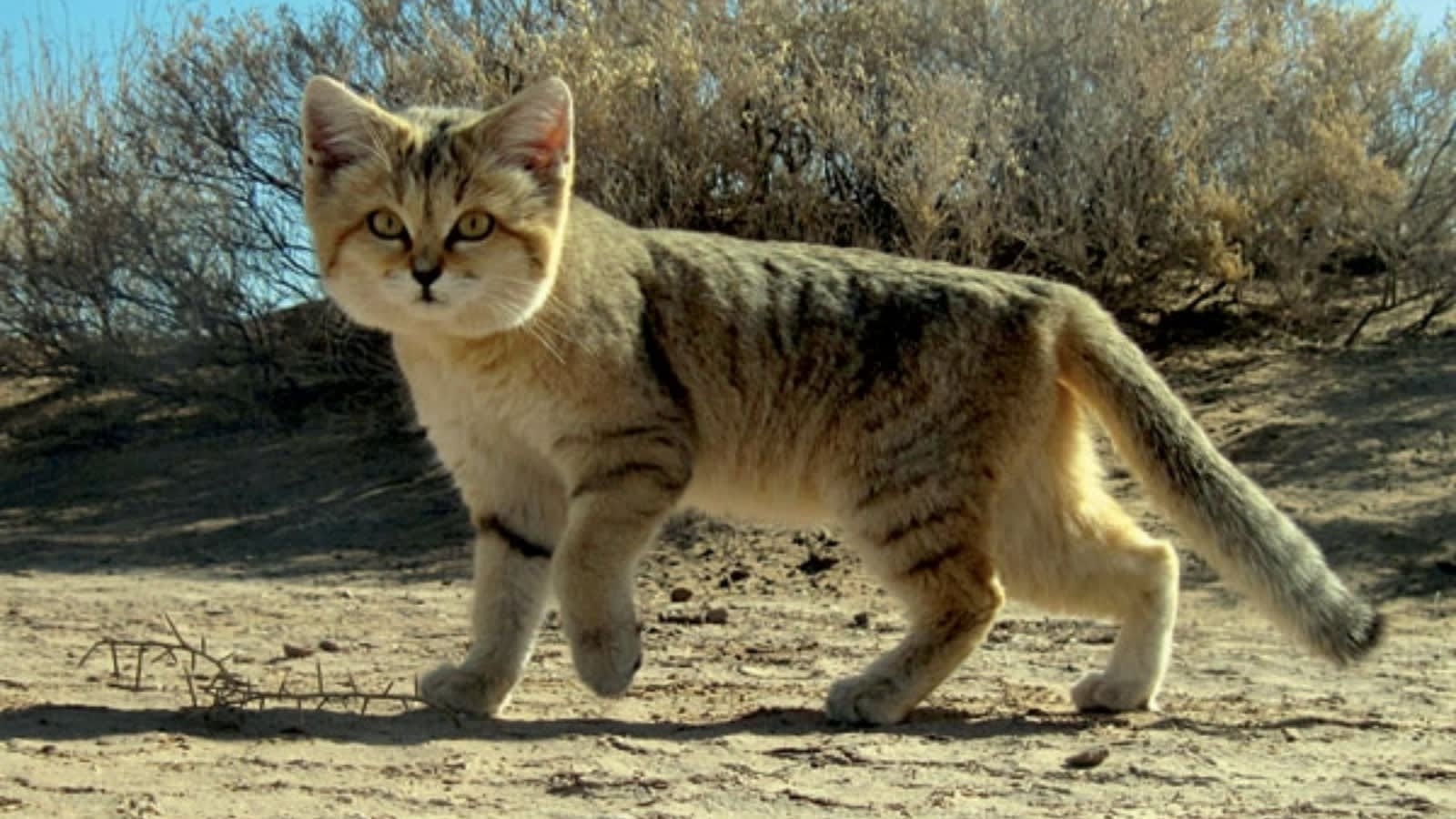
Small wild cat species, such as the Black-footed cat and Rusty-spotted cat, are highly efficient predators despite their diminutive size. Their specialized hunting adaptations allow them to thrive in diverse ecosystems worldwide.
The Apex Predators of the Miniature World
While the public consciousness often equates 'apex predator' with large-scale carnivores like lions or tigers, the biological reality of the feline world is far more diverse. Several species of small wild cats, often weighing only a fraction of their larger relatives, occupy critical niches as highly effective hunters. These creatures demonstrate that evolutionary success is not merely a function of mass, but of specialized adaptation, stealth, and metabolic efficiency.
The Black-footed Cat: A Master of Precision
Among these miniature hunters, the Black-footed cat stands out as one of the most lethal. Native to the arid regions of Southern Africa, this species possesses a metabolism that requires near-constant hunting. Unlike larger cats that may rely on ambush and overwhelming force, the Black-footed cat utilizes a high-frequency hunting style, often catching prey items every few minutes. Their success rate is significantly higher than that of larger felids, illustrating the extreme pressure these animals face to maintain their energy requirements.
The Rusty-spotted Cat: Asia's Tiny Shadow
In the forests and grasslands of India and Sri Lanka, the Rusty-spotted cat represents the smallest feline species in Asia. Weighing roughly the same as a domestic kitten, this species has evolved to navigate dense vegetation where larger predators would struggle. Their ability to remain undetected while traversing complex terrain makes them formidable hunters of small rodents and birds, showcasing the evolutionary refinement of feline sensory perception and agility in limited spatial environments.
Evolutionary Advantages of Being Small
Being small in the wild offers distinct advantages that allow these species to avoid competition with larger predators while exploiting niche food sources. These cats exhibit remarkable behavioral flexibility, often utilizing burrows and dense foliage to protect themselves and their offspring. This size-based strategy is a testament to the evolutionary trade-offs that have allowed these species to persist across fragmented and changing landscapes for millennia.
Conservation and Future Outlook
Despite their hunting prowess, these small felids face significant threats from habitat fragmentation, climate change, and human encroachment. Because their ecological roles are often less studied than their charismatic megafauna counterparts, they are frequently overlooked in global conservation strategies. Protecting these species requires a nuanced understanding of their specific environmental needs and the preservation of the micro-habitats that support their specialized hunting behaviors.
Conclusion: Respecting the Miniature Hunters
The existence of these tiny, skilled hunters reminds us that nature's efficiency is not limited to the grand scale. As we continue to study these species, it becomes clear that their survival is intrinsically linked to the health of the diverse ecosystems they inhabit. Ensuring the future of these cats is not only a matter of biodiversity preservation but a recognition of the intricate evolutionary success stories playing out in the underbrush of our world.