How to watch Apple’s foldable iPhone announcement
Source Entity
Amanda Silberling
Chinese tech giants Xiaomi and Huawei have launched new foldable devices to challenge Apple ahead of its highly anticipated foldable iPhone announcement. The upcoming Apple event on September 9 is expected to introduce the foldable iPhone Ultra alongside the traditional iPhone 18 series.
The Folding Frontier: A High-Stakes Tech Race
The global smartphone landscape is undergoing a significant transformation as Chinese manufacturers Xiaomi and Huawei escalate their efforts to capture the premium foldable market. By launching the Xiaomi 18 Fold and the third-generation Huawei Mate XT2 just days before Apple’s scheduled event, these companies are positioning themselves as proactive innovators. This strategic timing is clearly designed to preemptively capture consumer attention and market share before Apple potentially shifts the industry paradigm with its own rumored entry into the foldable segment.
Apple's Strategic Pivot
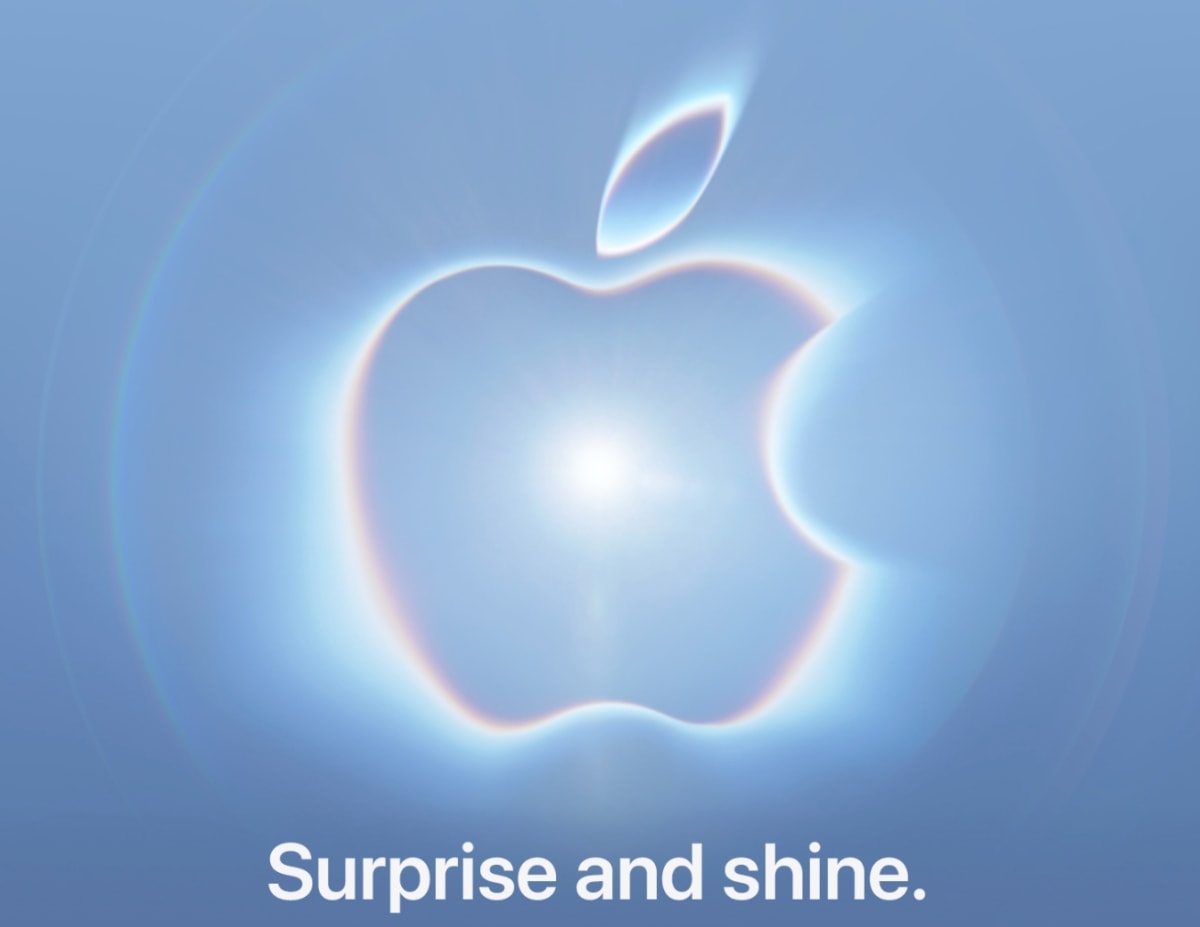
Apple is set to host its “Surprise and shine” event on September 9 at 10 a.m. PDT, an occasion widely expected to mark the company's long-awaited debut in the foldable hardware category. Under the leadership of new CEO John Ternus, Apple faces the challenge of entering a market segment that competitors like Samsung have occupied for seven years. Market analysts, including Neil Shah, indicate there is significant pent-up demand among the Apple loyalist community for a foldable iPhone, suggesting that Apple’s entry could catalyze mainstream adoption despite the delayed arrival.
Diverse Hardware Strategies
While Apple is reportedly preparing the high-end, potentially $2,000-priced iPhone Ultra, it is simultaneously catering to traditionalists. The company is expected to announce the iPhone 18 Pro and Pro Max models, ensuring that users who are either skeptical of foldable durability or unwilling to pay premium prices for experimental hardware remain within the Apple ecosystem. This dual-track strategy acknowledges the current market fragmentation between early-adopter foldable enthusiasts and the mass-market smartphone user base.
Technological Innovation in the East
Beyond form factors, the competition is also shifting toward internal processing power. The launch of the Xiaomi 18 Fold highlights a major advancement in mobile gaming technology. By integrating the Arm Mali G2-Ultra NX graphics processor within its custom Xring O3 chip, Xiaomi is bringing AI-accelerated gaming graphics to the mobile space. This move, which mirrors strategies previously utilized by Nvidia, aims to deliver PC-like performance, high resolutions, and advanced lighting to mobile devices, signaling that the race for dominance is as much about silicon performance as it is about hinge mechanics.
Market Outlook and Future Trends
The convergence of these events highlights a critical juncture for the smartphone industry. As hardware differentiation becomes increasingly difficult, the race to refine foldable technology—combined with the integration of AI-driven graphics—represents the next major battleground. While Apple’s entry into the foldable space will likely validate the category, the aggressive pace set by Huawei and Xiaomi suggests that the competitive landscape will remain intense, forcing all players to innovate rapidly to maintain their relevance in a saturated global market.
Conclusion
As the industry looks toward September 9, the tension between established Chinese hardware innovation and Apple’s ecosystem-driven approach defines the current era of mobile computing. Whether through the trifold design of the Huawei Mate XT2 or the AI-enhanced graphics of the Xiaomi 18 Fold, Chinese manufacturers are setting a high bar. How Apple responds to this challenge will dictate the trajectory of premium smartphone trends for the coming decade.