Houthis seize Yemen's strategic Red Sea port city of Mokha from Saudi-backed forces
Source Entity
ABHISHEK MISHRA
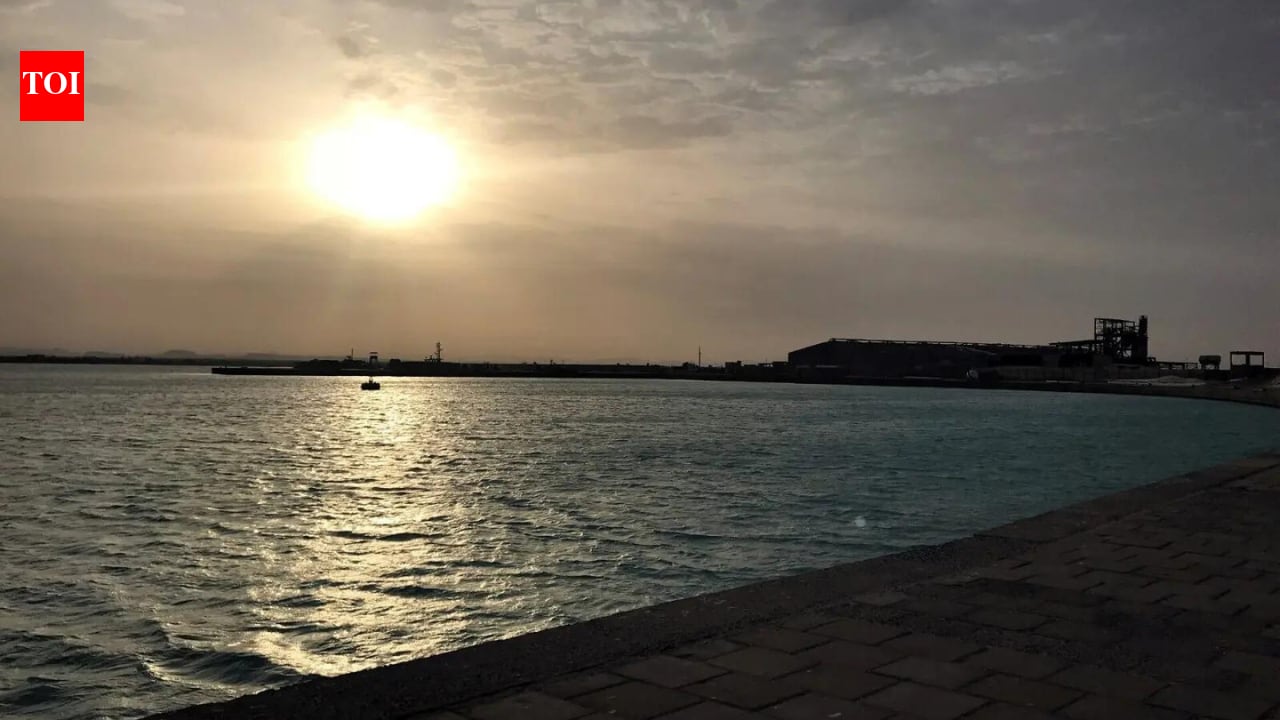
The Yemeni conflict has intensified with both the Yemeni Army and Houthi rebels reporting significant territorial shifts. These developments, including the capture of the strategic port of Mokha, threaten regional stability and critical global shipping lanes.
The Escalating Conflict in Yemen: A Shifting Landscape
Recent reports from Yemen highlight a volatile escalation in the nation's long-running civil war, as the Yemeni Army claims the capture of "vast areas" from Houthi forces. This development, supported by footage released by the Yemeni Armed Forces Media Centre, signifies a renewed attempt by state-aligned forces to regain ground. The conflict, which has persisted for over a decade, continues to be characterized by fluid frontlines and intense struggles for dominance over strategic regions that are essential for both domestic control and regional logistics.
The Strategic Significance of Mokha
Simultaneously, the situation on the ground remains precarious following the Houthi seizure of the port city of Mokha from Saudi-backed forces. This capture is of profound strategic importance; Mokha serves as a critical gateway near the Bab al-Mandab Strait, a narrow waterway essential for global trade between Asia and Europe. By establishing a presence in this region, the Iran-backed Houthi movement has significantly increased its ability to project power over one of the world's most vital maritime chokepoints.
The Human Cost and Regional Instability
Beyond the military maneuvering, the human cost of this renewed fighting is immense. Reports from Mokha describe residents fleeing amid panic as Houthi fighters moved into the city, shuttering government offices and shops. This displacement mirrors the broader humanitarian crisis that has defined the Yemeni conflict for years. The recent surge in hostilities, including drone and missile strikes on Saudi oil facilities and retaliatory Saudi-led coalition air strikes, underscores a dangerous cycle of violence that shows little sign of immediate cessation.
The Unraveling of Diplomatic Efforts
For years, Yemen existed in a state of fragile, informal ceasefire, which began to significantly unravel in July. The Houthi declaration of a "maritime embargo" and the subsequent resumption of offensive operations against Saudi infrastructure have pushed the region back into a state of active, high-intensity warfare. The breakdown of these diplomatic buffers has forced both international observers and local stakeholders to reconsider the viability of a peaceful resolution in the near term.
Future Implications and Global Impact
Looking forward, the territorial gains by both the Yemeni Army and the Houthis suggest a protracted period of instability. If the Yemeni Army’s claim of capturing "vast areas" holds, it may force a tactical reassessment by the Houthis. Conversely, the Houthi proximity to the Bab al-Mandab Strait serves as a constant leverage point that could disrupt global energy and commercial shipping. The interplay between these local military objectives and the broader involvement of regional powers ensures that Yemen will remain a focal point of international security concerns for the foreseeable future.
Multiple Citing Sources