Houthis 'take control' of key island in global shipping route
Source Entity
Hacker News
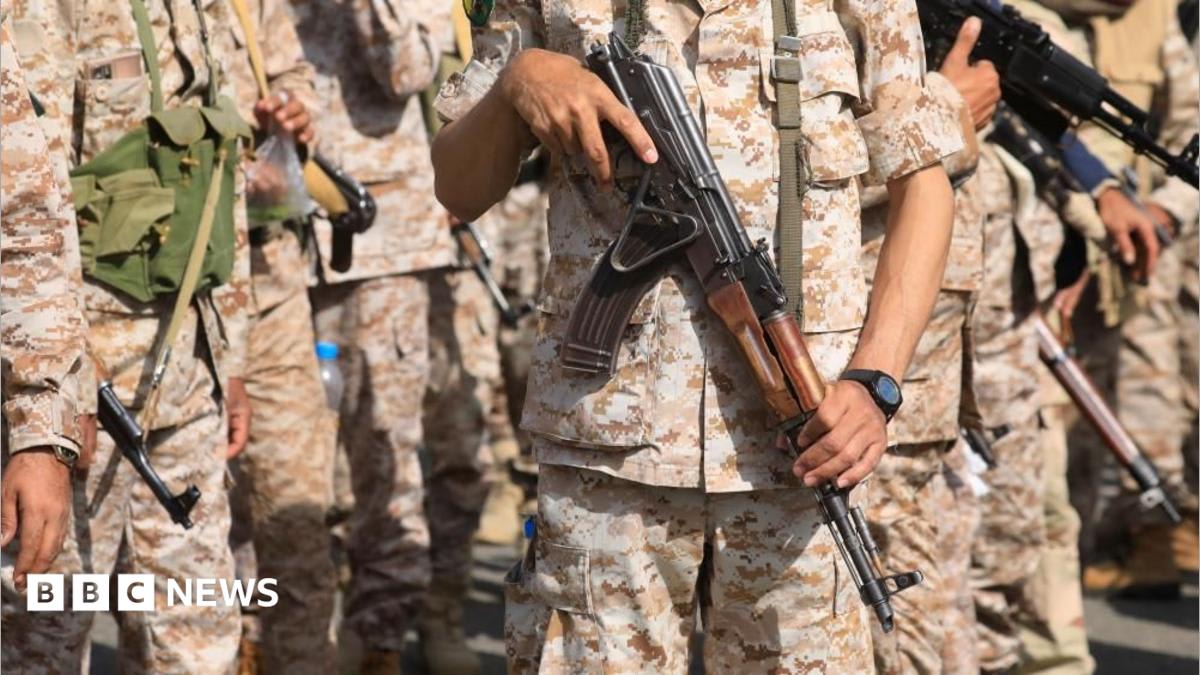
The Yemeni Army reports significant territorial gains against Houthi forces amid a volatile escalation in the decade-long civil war. These developments occur alongside Houthi-led drone and missile strikes on Saudi infrastructure, highlighting the intensifying regional proxy conflict.
The Shifting Sands of the Yemeni Conflict
The ongoing civil war in Yemen has reached a new level of volatility following reports from the Yemeni Army that they have successfully captured "vast areas" from Houthi forces. While the conflict has dragged on for over a decade, these latest territorial shifts underscore a persistent struggle for control over strategic geography. The release of footage by the Yemeni Armed Forces Media Centre provides visual evidence of these military operations, marking a potential turning point in the long-standing stalemate between the government and the Houthi movement.
Strategic Implications of Territorial Gains
The significance of these territorial shifts cannot be overstated. In a conflict defined by the control of supply lines and key logistics hubs, the ability of the Yemeni Army to reclaim territory places immediate, tangible pressure on the Houthis. If these advances are sustained and verified, they threaten to disrupt the Houthi logistical network and force a re-evaluation of their defensive posture, potentially altering the power balance that has held firm for years.
The Red Sea and Maritime Security
Beyond inland territorial disputes, the conflict is increasingly defined by the battle for maritime dominance. The reported Houthi interest in the Red Sea port of Mokha highlights a broader strategy to exert control over the Bab al-Mandab Strait. As one of the world's most critical shipping routes, the potential for Houthi influence here poses a direct threat to international trade. The intersection of land-based military operations and maritime embargoes signals that the theater of war is expanding, drawing in global concern over the safety of transit through these vital waters.
Proxy Dynamics and Regional Escalation
This conflict is inextricably linked to regional power plays, with Iran increasingly relying on the Houthis to exert pressure on Saudi Arabia and other Gulf allies. The collaboration between Houthi representatives and Iraqi militias in planning drone attacks on Saudi oil facilities demonstrates a coordinated effort to destabilize the region. By utilizing drone and missile technology to strike civilian and energy infrastructure, the Houthis have transformed a localized civil war into a broader regional confrontation.
The Human and Diplomatic Cost
As the four-year-old informal ceasefire continues to unravel, the human cost of the conflict remains devastating. Recent retaliatory exchanges—including Saudi-led coalition air strikes and Houthi drone assaults—have resulted in civilian casualties and massive infrastructure damage. The cycle of retaliation, such as the strikes on the prison in Hazm and the subsequent attacks on Saudi oil facilities, illustrates a breakdown in diplomatic efforts to contain the violence.
Future Trends and Outlook
Looking ahead, the battlefield dynamics in Yemen suggest a period of prolonged instability. The increasing sophistication of Houthi weaponry, combined with the Yemeni Army’s push for territorial reclamation, indicates that neither side is willing to cede ground. As regional actors continue to provide support to their respective proxies, the path to a sustainable peace remains obstructed. The international community will likely continue to monitor the Red Sea closely, as any further disruption to shipping routes could trigger a more forceful global response to the ongoing crisis.
Multiple Citing Sources