15 years later, Zindagi Na Milegi Dobara still sells a dream India can’t afford
Source Entity
Shruti Kapoor
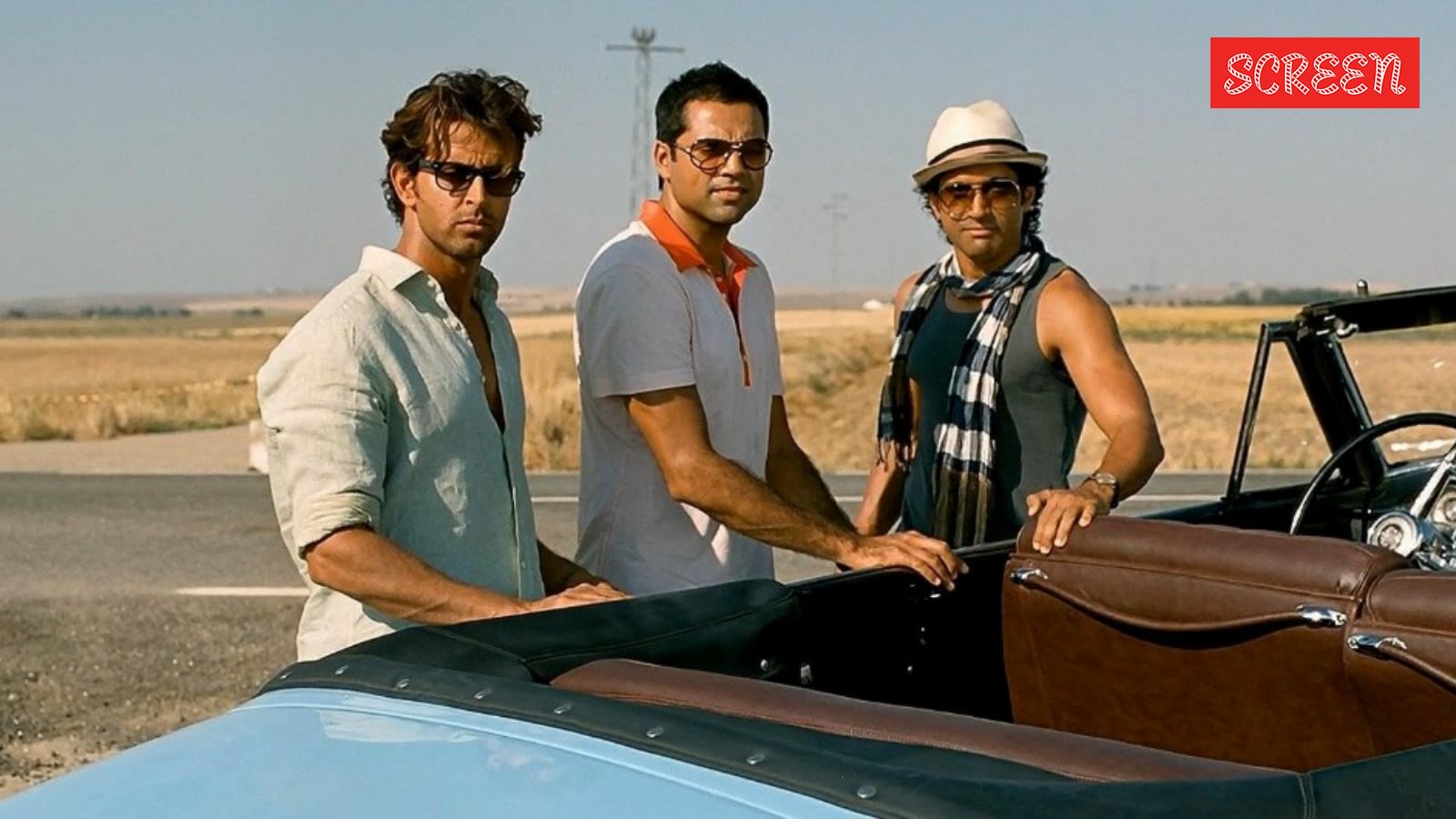
A critical retrospective on the film 'Zindagi Na Milegi Dobara' fifteen years after its release, examining the disconnect between the movie's aspirational themes of luxury travel and self-discovery and the current socio-economic realities facing modern Indian youth.
The Eternal Allure and Modern Friction of 'Zindagi Na Milegi Dobara'
Released on July 15, 2011, Zindagi Na Milegi Dobara (ZNMD) was more than just a cinematic venture; it was a cultural manifesto for a burgeoning Indian middle class. By following three friends on a road trip through Spain, the film tapped into a collective yearning for liberation from the suffocating grip of societal expectations, corporate drudgery, and the rigid traditions of arranged marriages. For a generation of Indian men, the film validated the need for emotional vulnerability and the pursuit of personal passion over professional stability. However, fifteen years later, the 'dream' presented in the film—one of effortless luxury and existential exploration—now stands in stark contrast to the pragmatic struggles of today's youth.
The Architecture of Escapism
The film's narrative structure relied heavily on the 'bucket list' trope, positioning travel not just as a leisure activity, but as a tool for psychological healing. By placing the characters in the visually stunning landscapes of Spain, the movie created a sanctuary where the characters could shed their inhibitions. This reflected a specific moment in Indian history where the economy was expanding, and the concept of 'work-life balance' was beginning to permeate urban discourse. The characters' ability to simply 'walk away' from their responsibilities for a month represented a luxury of spirit that resonated deeply with an audience exhausted by the weight of parental and societal pressures.
The Economic Divergence: Then vs. Now
The central tension of the current retrospective lies in the phrase 'a dream India can’t afford.' In 2011, the aspiration of international travel was a symbol of upward mobility. In the current economic climate, however, the reality for many Indian millennials and Gen Z is characterized by stagnant wages, hyper-inflation, and an increasingly volatile job market. The 'hustle culture' that has taken over urban India has replaced the film's philosophy of 'seizing the moment' with a relentless drive for survival and accumulation. The financial barrier to recreating a ZNMD-style odyssey has grown, making the film's carefree hedonism feel less like an achievable goal and more like a distant, cinematic fantasy.
Breaking the Stoic Archetype
Beyond the economics, ZNMD played a pivotal role in redefining masculinity in Indian cinema. By depicting three men confronting their fears—deep-sea diving, skydiving, and the fear of intimacy—it challenged the traditional 'alpha' male persona prevalent in Bollywood. The film's emphasis on friendship and emotional intelligence provided a blueprint for a more nuanced version of manhood. This historical shift paved the way for later films and series to explore mental health and male vulnerability, though the societal pressure to provide and conform mentioned in the context remains a persistent shadow over the modern Indian man.
The Legacy of Wanderlust and Future Trends
The lasting impact of the film is evident in the surge of 'experiential travel' among Indians. Spain became a premier destination, and the 'road trip' became a rite of passage for many. Moving forward, we are likely to see a shift from the 'luxury escapism' seen in ZNMD toward 'sustainable and mindful travel.' As the cost of living rises, the dream will likely evolve from expensive international excursions to local, slow-travel experiences that prioritize mental well-being over social status. The essence of the film—finding oneself—remains relevant, even if the medium of that discovery has changed from a Spanish highway to a more accessible local retreat.
Conclusion
Zindagi Na Milegi Dobara remains a poignant piece of cinema because it captured a specific intersection of hope and restlessness. While the material luxury it depicted may now feel unattainable for many, the emotional core of the film—the desire to break free from societal chains and live authentically—continues to resonate. It serves as both a nostalgic reminder of a more optimistic era and a critical mirror reflecting the current socio-economic anxieties of a nation still struggling to balance tradition with individual freedom.