Zipline adds ex-Tesla, Uber, Waymo execs to make drone delivery mainstream across U.S.
Source Entity
US Top News and Analysis
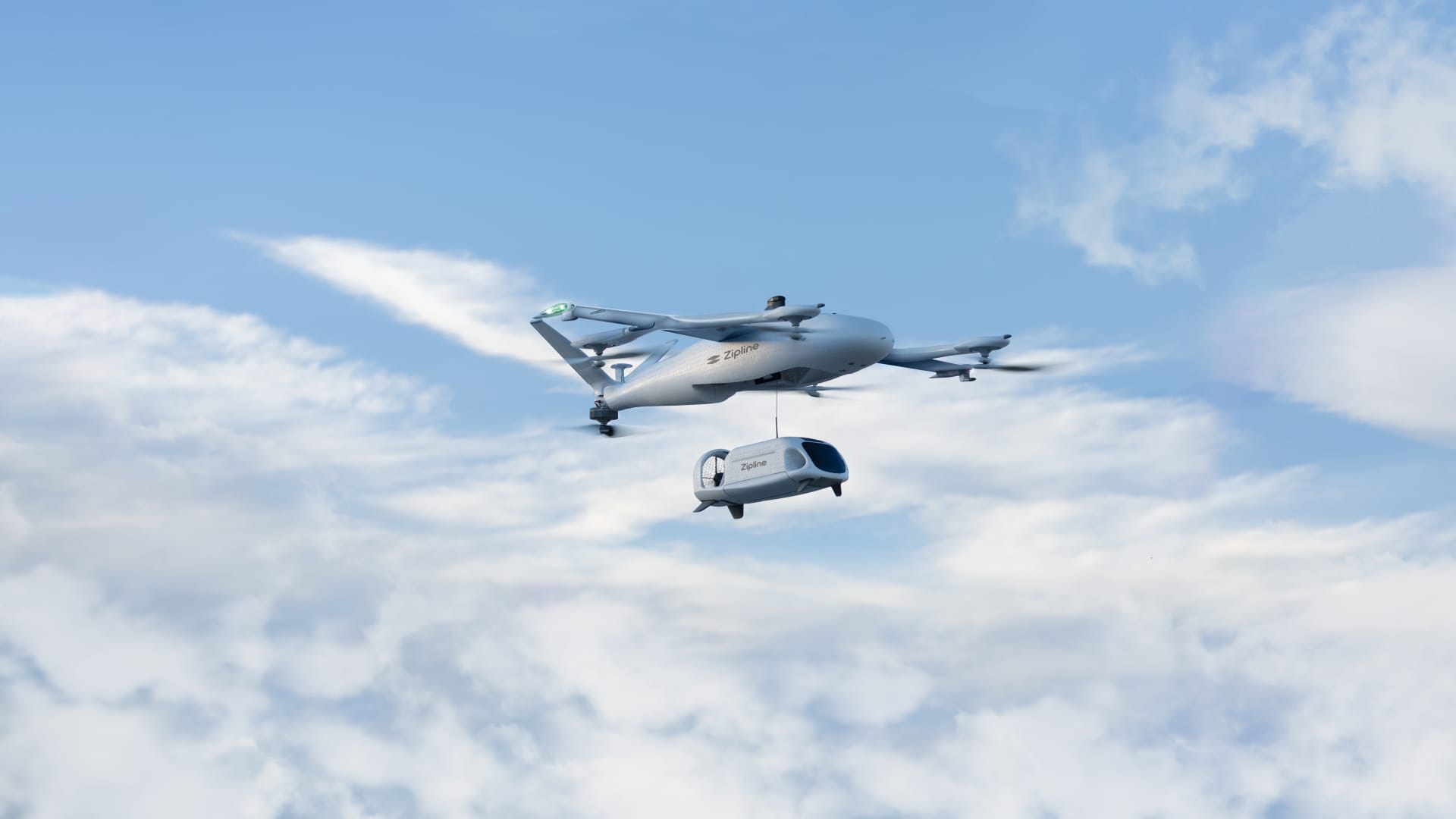
Zipline is accelerating its expansion into the U.S. market by recruiting high-level executives from Tesla, Uber Eats, and Waymo to help transition drone delivery from a niche service to a mainstream logistics solution.
Zipline's Strategic Talent Acquisition: Scaling the Future of Logistics
Zipline, a leader in autonomous drone delivery, has announced a significant strategic expansion of its leadership team by hiring former executives from three of the most influential companies in automation and logistics: Tesla, Uber Eats, and Waymo. This move signals a pivotal shift for the company as it seeks to transition its drone delivery services from specialized applications—such as medical supply transport—into a mainstream utility across the United States. By integrating leadership with proven track records in scaling disruptive technologies, Zipline is positioning itself to tackle the immense operational and regulatory hurdles inherent in national aviation logistics.
The Synergy of Specialized Expertise
The selection of executives from Tesla, Uber, and Waymo is not coincidental; it represents a calculated effort to blend three distinct but complementary domains of expertise. Tesla brings a legacy of hardware innovation and the scaling of complex electrical systems at a massive scale. Uber Eats provides the essential blueprint for last-mile delivery logistics, demand forecasting, and the management of a gig-economy-style network of endpoints. Waymo, a pioneer in autonomous driving, offers critical experience in navigating the complex regulatory environment of the U.S. government and the technical challenges of autonomous navigation in unpredictable urban environments. Together, this talent pool provides Zipline with the intellectual capital necessary to move beyond pilot programs and into ubiquitous commercial operation.
Addressing the Last-Mile Delivery Bottleneck
For decades, the "last-mile"—the final leg of a product's journey from a distribution center to the customer—has been the most expensive and inefficient part of the supply chain. Traditional ground transport is plagued by traffic congestion, carbon emissions, and labor shortages. Zipline's objective to make drone delivery "mainstream" is a direct attack on this bottleneck. By leveraging the operational efficiency of its autonomous fleet, Zipline aims to bypass terrestrial infrastructure entirely. The addition of Uber Eats veterans suggests that Zipline is specifically looking to optimize the user experience and the logistics of high-frequency, low-latency deliveries, such as food and pharmacy items, which require precision timing and reliability.
Navigating the Regulatory Maze
One of the primary barriers to mainstream drone adoption in the U.S. is the stringent regulatory oversight of the Federal Aviation Administration (FAA). Moving drones from controlled, rural environments to densely populated suburban and urban areas requires rigorous safety certifications and "Beyond Visual Line of Sight" (BVLOS) approvals. The experience brought in from Waymo is particularly critical here. Waymo has spent years negotiating with city and federal regulators to integrate autonomous vehicles into public roads; applying a similar framework to the airspace will be essential for Zipline to scale. This strategic hire suggests that Zipline is preparing for a high-stakes regulatory push to secure the permits necessary for wide-scale urban deployment.
Competitive Landscape and Market Positioning
Zipline enters this expansion phase in a highly competitive environment, facing off against other tech giants like Amazon Prime Air and Alphabet's Wing. While these competitors have significant capital, Zipline has historically excelled in operational reliability and real-world utility. By poaching executives from the very companies that defined the current era of automation, Zipline is attempting to outpace its rivals in execution speed. The focus is no longer just on the technology of the drone itself, but on the ecosystem of delivery—integrating software, hardware, and regulatory compliance into a seamless service that can be deployed in any U.S. city.
Future Outlook: From Novelty to Utility
Looking ahead, the successful integration of these executives could catalyze a shift in consumer behavior. Drone delivery has long been viewed as a futuristic novelty or a luxury for the tech-savvy. However, if Zipline can successfully implement the scaling strategies used by Uber and Tesla, drone delivery may become an invisible, standard part of urban infrastructure. We can expect to see a gradual rollout of "drone hubs" integrated into existing retail landscapes, reducing the reliance on delivery vans and significantly lowering the carbon footprint of instant commerce.
Conclusion
Zipline's decision to recruit from the ranks of Tesla, Uber, and Waymo is a clear indicator that the company is moving from its "innovation phase" into its "scaling phase." By combining autonomous navigation expertise with last-mile logistics and hardware scaling, Zipline is building the organizational infrastructure required to redefine how goods move across the United States. If successful, this move will not only establish Zipline as the dominant player in the drone sector but will fundamentally alter the logistics landscape of the 21st century.