Zuckerberg’s yacht was closer, but someone else saved a stranded boat
Source Entity
Terrence O’Brien
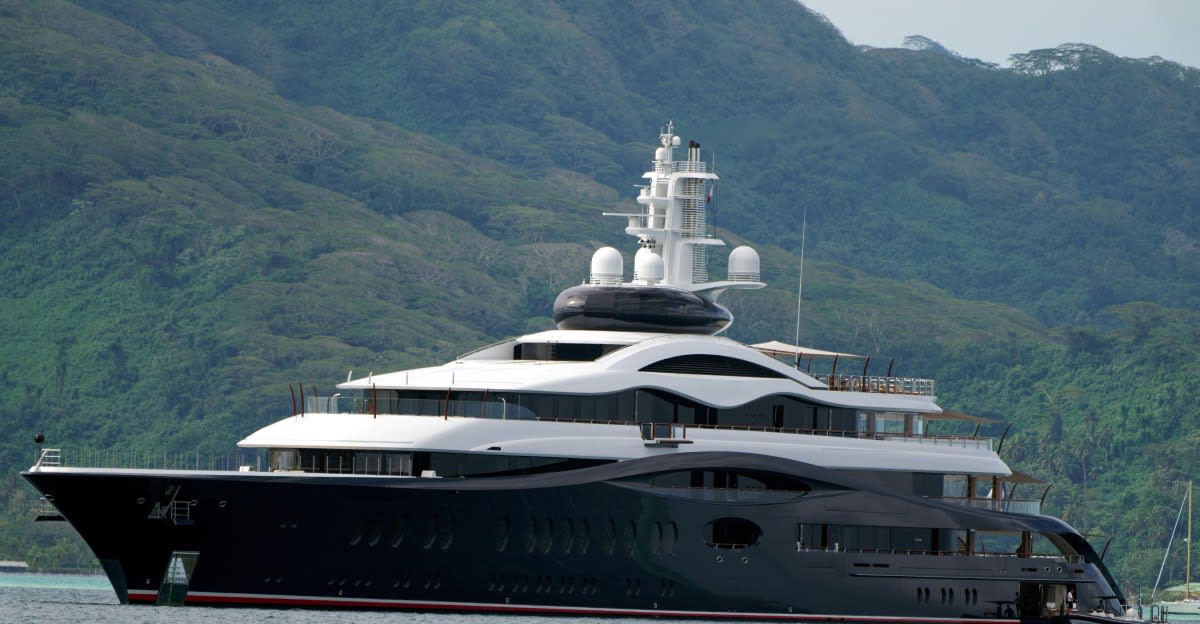
A stranded skiff near Farragut Bay was rescued by the cruise ship Wilderness Legacy after running out of fuel. AIS tracking data revealed that Mark Zuckerberg's superyacht, Launchpad, was closer to the scene but reportedly failed to respond to the situation.
Maritime Conduct and the Case of the Launchpad
Recent reports concerning a stranded skiff near Alaska's Farragut Bay have brought maritime etiquette and the responsibilities of private vessel owners into the public spotlight. When a small boat found itself adrift after running out of fuel, the Alaskan cruise ship Wilderness Legacy intervened to conduct a rescue operation. While the rescue was successful, subsequent analysis of Automatic Identification System (AIS) tracking data by the Alaska Beacon and Halifax Shipping News indicated that a much larger, private vessel—Mark Zuckerberg’s superyacht, Launchpad—was significantly closer to the stranded party at the time of the distress.
The Discrepancy Between Proximity and Response
The core of the controversy stems from the disparity between the Launchpad's position and its lack of engagement. According to passenger accounts, including a statement from Michael Love aboard the Wilderness Legacy, the cruise ship’s captain informed passengers that the Launchpad was the nearest vessel capable of assisting. The report suggests that the yacht failed to respond to communications, a detail that reportedly incited frustration and vocal disapproval from those witnessing the scene from the deck of the cruise ship.
Maritime Obligations and the Law of the Sea
Under international maritime law, specifically the United Nations Convention on the Law of the Sea (UNCLOS), there is a general duty for masters of ships to render assistance to any person found at sea in danger of being lost. While the Wilderness Legacy successfully fulfilled this humanitarian obligation, the fact that a larger, closer vessel remained unresponsive raises questions about the prioritization of private security and operational protocols on superyachts versus the collective spirit of maritime safety.
The Role of Technology in Public Accountability
This incident highlights the growing role of open-source intelligence and real-time tracking technology in holding high-profile individuals accountable. The use of AIS data, which broadcasts a vessel's position, speed, and heading, allowed independent analysts and news organizations to corroborate passenger accounts. This digital transparency ensures that the actions—or inactions—of private entities in public waters are no longer shielded from public scrutiny or verified historical record.
Broader Implications for Private Maritime Travel
As the popularity of superyacht travel grows, the expectations for these vessels to act as responsible members of the maritime community will likely intensify. The Launchpad incident serves as a case study in how public perception is shaped by the intersection of extreme wealth and the communal expectations of safety at sea. Future trends suggest that as tracking data becomes more accessible, the reputation of private vessel operators will increasingly depend on their adherence to the unwritten, yet essential, code of maritime assistance.
Conclusion
Ultimately, while the stranded skiff was saved by the timely intervention of the Wilderness Legacy, the incident involving the Launchpad remains a focal point for discussion regarding the responsibilities of those navigating the world's waterways. The data-backed report underscores the necessity for all vessels, regardless of size or ownership, to maintain an active watch and participate in the safety of others on the water.