Trump ready to end Iran war without nuclear deal on one condition: Report
Source Entity
The Indian Express
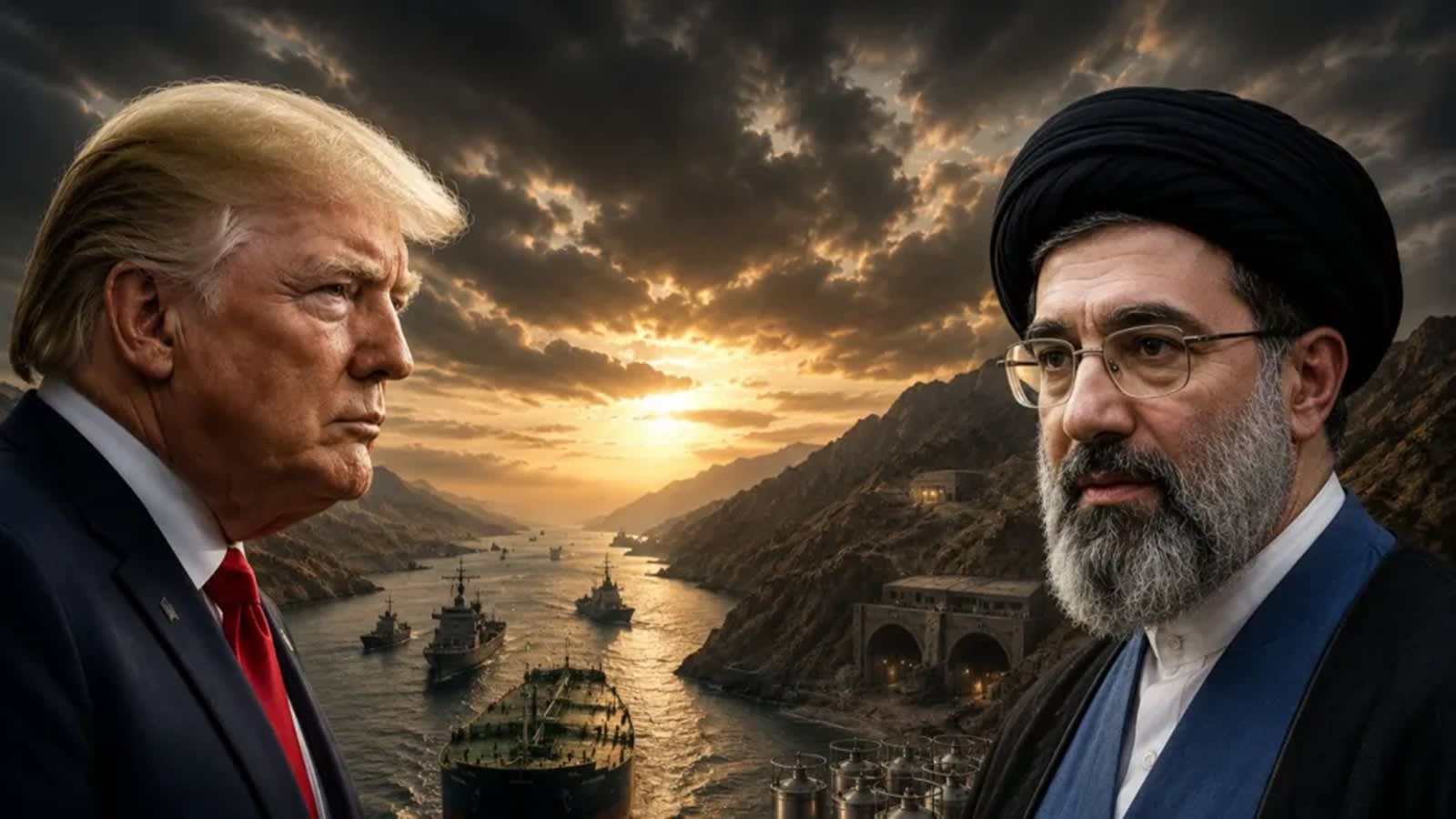
President Trump is reportedly considering pivoting his Iran strategy from pursuing a nuclear deal to securing commercial shipping in the Strait of Hormuz. This shift reflects a move toward economic pressure rather than military escalation, acknowledging the waterway's role as a key point of leverage for Tehran.
Strategic Realignment: The Shift in US-Iran Policy
Recent reports indicate that the Trump administration is contemplating a significant shift in its policy regarding Iran. While the original objective of the US campaign was centered on compelling Tehran to abandon its nuclear ambitions through a formal agreement, the White House is now reportedly considering declaring a form of victory focused on a narrower, more immediate goal: the restoration of safe commercial shipping through the Strait of Hormuz. This potential pivot suggests an acknowledgment that the original, highly ambitious goal of a comprehensive nuclear deal has become increasingly difficult to attain.
The Strategic Importance of the Strait of Hormuz
The Strait of Hormuz has evolved into a critical focal point of geopolitical leverage for Iran. As one of the world's most vital maritime chokepoints for global oil transit, its security is paramount to international economic stability. By focusing on the Strait, the US administration appears to be prioritizing the immediate protection of global trade routes over the long-term, complex negotiations surrounding Iran's nuclear capabilities. This shift in focus highlights the administration's attempt to define a measurable success in a region where diplomatic progress has been historically elusive.
Moving Toward 'Low Key' Economic Pressure
President Trump’s recent rhetoric suggests a move toward a 'low key' approach, favoring sustained economic pressure over the threat of kinetic military operations. By moving away from the prospect of direct military strikes, the administration is signaling a preference for non-military instruments of power. This strategy relies on the potency of sanctions and international economic isolation to curb Iranian influence, rather than engaging in a potentially costly and unpredictable military conflict that could destabilize the broader Middle East.
Challenges to Diplomatic Resolution
Despite the desire for a pivot, the administration’s objectives are complicated by Tehran's counter-maneuvers. Reports indicate that Iran has introduced new demands regarding the reopening of the Strait, effectively using the chokepoint as a bargaining chip. This dynamic underscores the difficulty of the 'maximum pressure' campaign, as Iran continues to demonstrate its capacity to disrupt international commerce, thereby complicating any US attempt to declare a strategic victory without a formal, negotiated settlement.
Future Implications and Trends
Should the US successfully reframe its Iran policy around the security of the Strait of Hormuz, it could lead to a temporary cooling of military tensions in the Persian Gulf. However, this approach leaves the core issue of Iran's nuclear program largely unaddressed, potentially creating a status quo that keeps the region in a state of suspended animation. Future trends will likely depend on whether the US can build a sustainable international coalition to monitor the Strait, or if Tehran will continue to escalate its demands to maintain its regional leverage. Ultimately, this reported pivot reflects the inherent difficulties of balancing assertive foreign policy goals with the realities of global economic dependency on secure shipping lanes.
Multiple Citing Sources