‘Compulsive addiction to sanctions’: Iran mocks Trump admin's ‘suffocating’ threat
Source Entity
TOI WORLD DESK
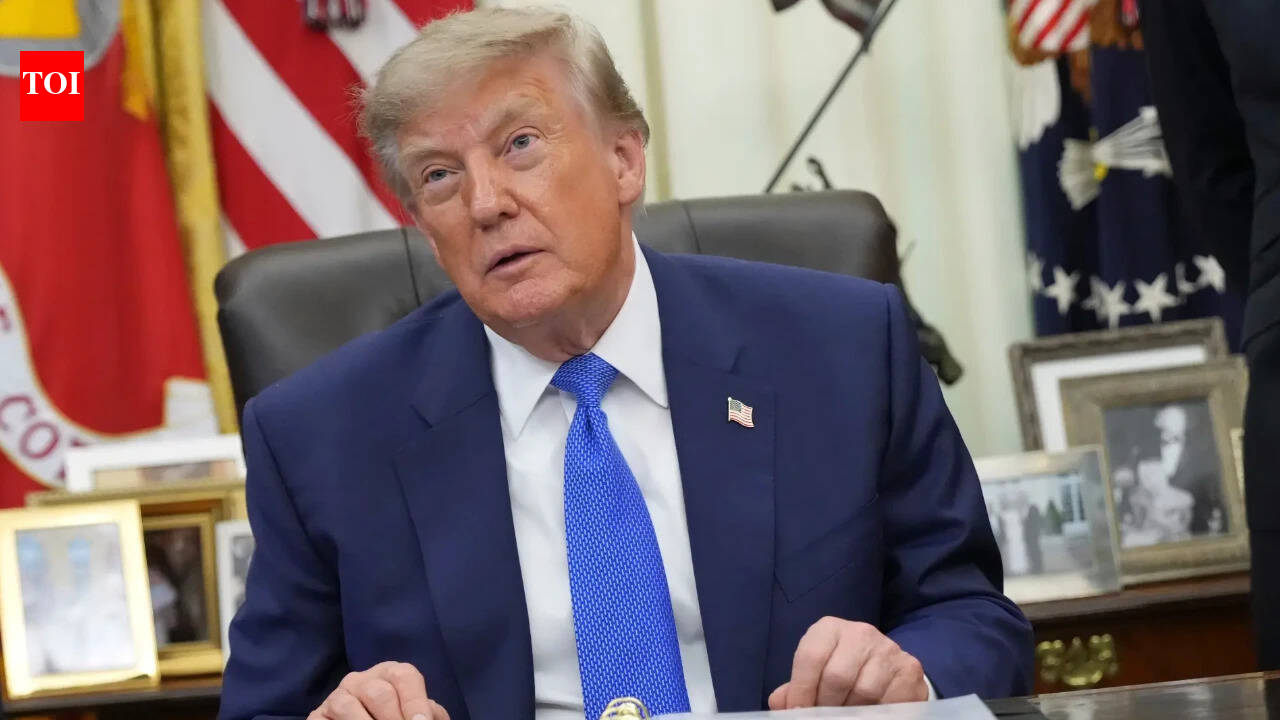
Tensions between the US and Iran have escalated as both nations trade demands for financial reparations. While Iran labels US sanctions an addiction, the Trump administration insists Iran must compensate victims of past conflicts.
The Escalating War of Rhetoric Between Washington and Tehran
Recent developments in U.S.-Iran relations have taken a combative turn, characterized by a cycle of demands for financial compensation and sharp diplomatic rebukes. Following calls from Tehran for reparations related to past U.S. actions, former President Donald Trump has countered with his own demand, insisting that Iran should instead be responsible for compensating Americans killed or wounded in regional conflicts. This exchange highlights the deepening divide between the two nations and the hardening of positions on both sides.
The "Compensation" Conflict
At the heart of the current dispute is the shifting definition of accountability. When Trump described Iran’s initial demand for compensation as an "interesting idea," he effectively utilized the rhetoric to pivot toward a narrative of American victimization. By framing the conversation around the loss of American lives, the administration is attempting to shift the moral and legal burden back onto the Iranian leadership, complicating any potential path toward de-escalation.
Sanctions as a Diplomatic Tool
Iranian Foreign Ministry spokesperson Esmaeil Baqaei has publicly criticized the U.S. approach, specifically targeting Treasury Secretary Scott Bessent’s assertion that sanctions are successfully "suffocating" the Iranian economy. Tehran characterizes this reliance on economic pressure as a "compulsive addiction," arguing that it reflects a failure of traditional diplomacy. This critique suggests that Iran views the current U.S. strategy as a blunt instrument that lacks the nuance required to resolve fundamental geopolitical disagreements.
The "Suffocation" Narrative
Treasury Secretary Scott Bessent’s rhetoric regarding the "suffocation" of Iran serves as a clear signal of the administration's intent to utilize economic leverage to force policy shifts. However, the Iranian response suggests that this strategy may be reaching a point of diminishing returns. By labeling the policy an addiction, Iranian officials are attempting to undermine the credibility of U.S. economic warfare, framing it as a desperate measure rather than a calculated strategic success.
Implications for Future Diplomacy
As both sides continue to trade barbs, the possibility of meaningful dialogue appears increasingly remote. The insistence on reparations serves as a major stumbling block, as it requires both nations to acknowledge past grievances that remain deeply polarizing. This cycle of accusations—where one side demands accountability for sanctions and the other for casualties—creates a zero-sum environment that leaves little room for compromise.
Conclusion: A Standoff of Hardened Positions
The current impasse illustrates a fundamental breakdown in the diplomatic channel. With Washington firmly committed to a policy of maximum economic pressure and Tehran doubling down on its rejection of U.S. influence, the rhetoric is likely to intensify. Unless there is a fundamental change in the strategic calculus of either nation, the impasse over financial reparations and sanctions is expected to persist as a defining feature of the bilateral relationship.