The Gear You Need
- Budget for elevated bunker fuel surcharges
- Cold-storage hardware modifications for SKU scaling
- Access to IATA CEIV Pharma certified hubs in life science centers
- Pre-secured contracts for copper and electrical steel
- Amphibious all-terrain vehicles for extreme climate C2 operations
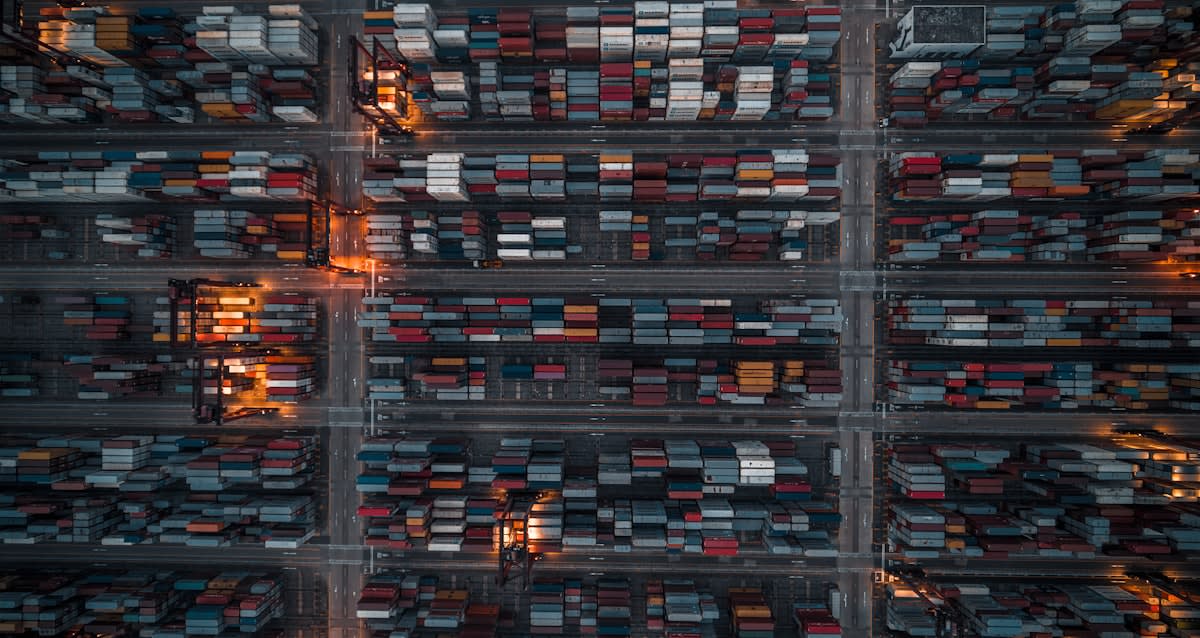
Ports are choking. Mundra and Nhava Sheva are currently gridlocked while Khor Fakkan struggles under the weight of the Hormuz closure. This operational friction isn't a glitch; it is the physics of limited throughput meeting geopolitical volatility.
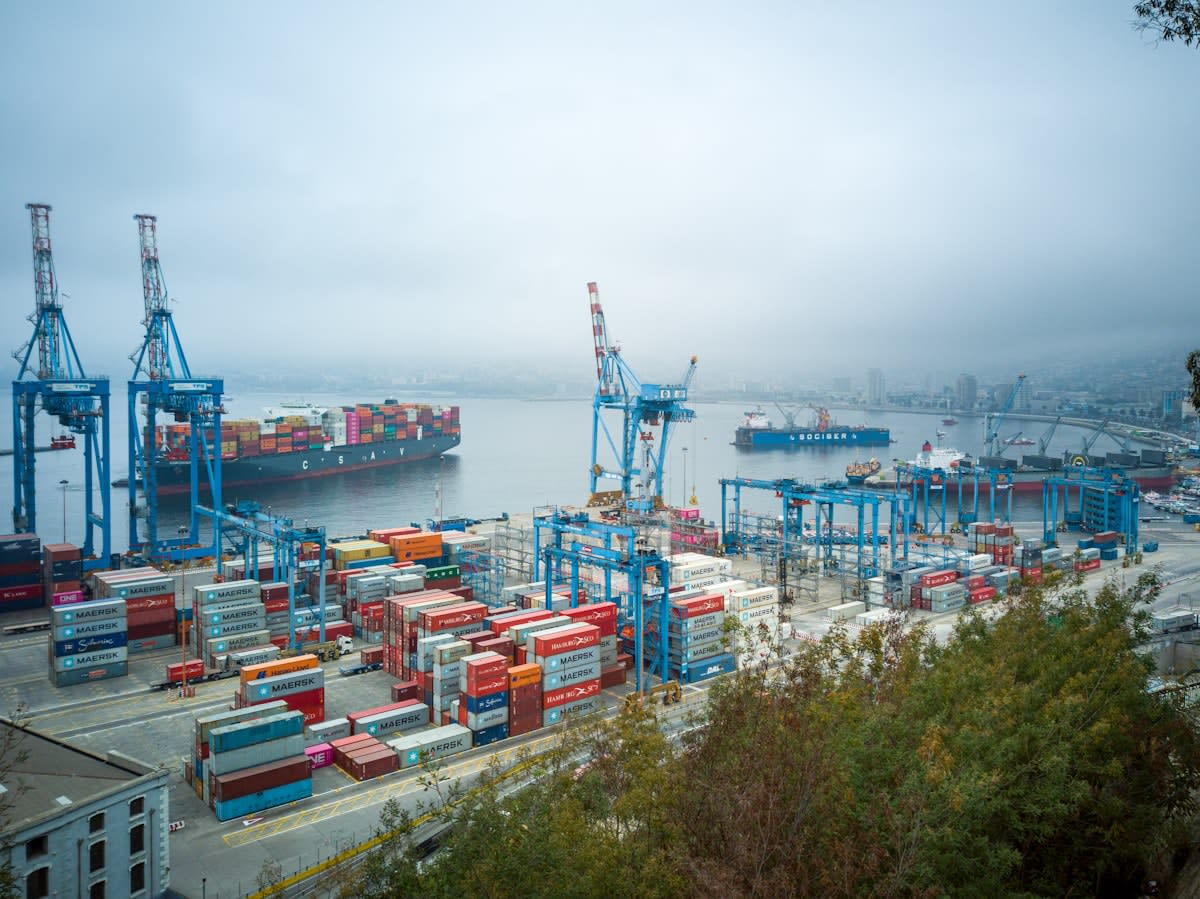
Money is flowing into international transportation management. Revenue for this sector hit $85.9 billion in 2025, marking a 7.7% increase. Logistics providers are charging a premium because the risk of a dead-end route is now a daily reality.
Scaling the Cold Chain
Cold storage requires more than just a freezer. Locus Robotics pushed HelloFresh from 100 to 500 SKUs using specific hardware modifications. Scaling capacity in a chilled environment demands physical mods, not software updates.
HelloFresh Chilled SKU Capacity Increase
Executive Insight
+18.4%
YTD Growth
Hardware changes allow for higher volume and variety. These Origin platform mods prove that temperature-controlled fulfillment is a battle of physics. Precision in these environments is the only way to maintain speed.
The Certification Barrier
Specialized certification is the only currency that matters in pharma. GEODIS recently secured IATA CEIV Pharma certification for its Hyderabad site to anchor its healthcare network in India's life sciences hub.
"Hyderabad is one of the world's most important pharmaceutical manufacturing and export hubs, making it a strategic location for our healthcare logistics network."— Chris Cahill, Managing Director, Middle East and India Sub-continent, GEODIS
Physical hubs are the only way to mitigate transit risk. Once the freight hits a certified site, the risk profile changes. Now, we look at how to get that freight to the hub when the oceans are on fire.
Executing the Transit
- Identify alternative routing for Asia-Europe containers to avoid unsafe Suez and Red Sea zones.
- Allocate capital for bunker fuel surcharges to prevent carrier abandonment.
- Diversify transshipment points away from congested hubs like Mundra.
- Secure raw material procurement for infrastructure, prioritizing electrical steel over just-in-time delivery.
| Location | Operational Friction | Primary Trigger |
|---|---|---|
| Mundra/Nhava Sheva | Heavy Congestion | Hormuz Closure |
| Khor Fakkan | Heavy Congestion | Red Sea Turmoil |
| UK Construction | Procurement Delays | Copper/Steel Demand |
Hospitals are losing the procurement war. Data centers are outbidding medical facilities for copper and electrical steel. February 2026 proved that a spark in the Strait of Hormuz can freeze a construction site in the UK within days.
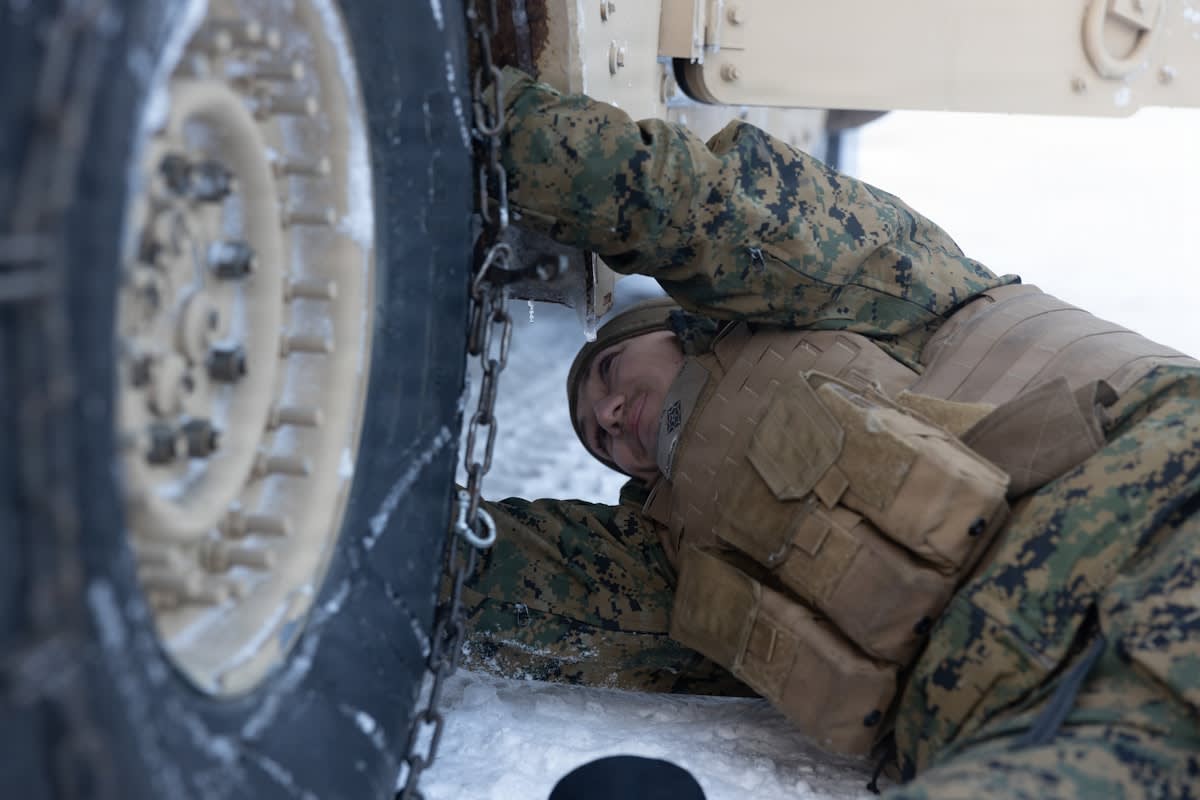
Arctic logistics is a different beast entirely. BAE Systems delivered 19 Cold Weather All-Terrain Vehicles (CATV) to the US Army to solve the amphibious mobility problem in Alaska. Hardware like the CATV turns a frozen wasteland into a functional C2 post.
Common Pitfalls
- Relying on software to solve physical capacity limits in cold storage.
- Underestimating the speed of raw material price spikes during geopolitical shocks.
- Assuming transshipment ports will clear without a change in the Strait of Hormuz safety status.
- Ignoring the cost of bunker fuel surcharges in peak season budgeting.