
The New Math of the Meat Grinder
Annual reviews are dead. They were always a polite fiction, a choreographed dance where managers pretended to care about your growth while checking a box for HR. Now, we have Real-Time Value Auditing (RTVA). This isn't a performance review. It is a continuous, algorithmic dissection of your output versus the cost of your seat. If your marginal value drops for a Tuesday afternoon in a Bangalore tech park, the system notes it. By the time December rolls around, your bonus hasn't been decided—it has been eroded in a thousand tiny increments throughout the year (Source: HR Tech Trend Report, 2023).
The shift is clinical. Firms are moving away from discretionary bonuses toward 'Dynamic Compensation Models.' This means your incentive is tied to live telemetry: ticket resolution speeds, commit frequencies, or real-time revenue attribution. When 70% of Fortune 500 companies have transitioned to some form of continuous performance management, the 'benefit of the doubt' vanishes (Source: HR Tech Trend Report, 2023). You are no longer an employee; you are a data stream.
Prerequisites: What You Need to Know Before You Fight
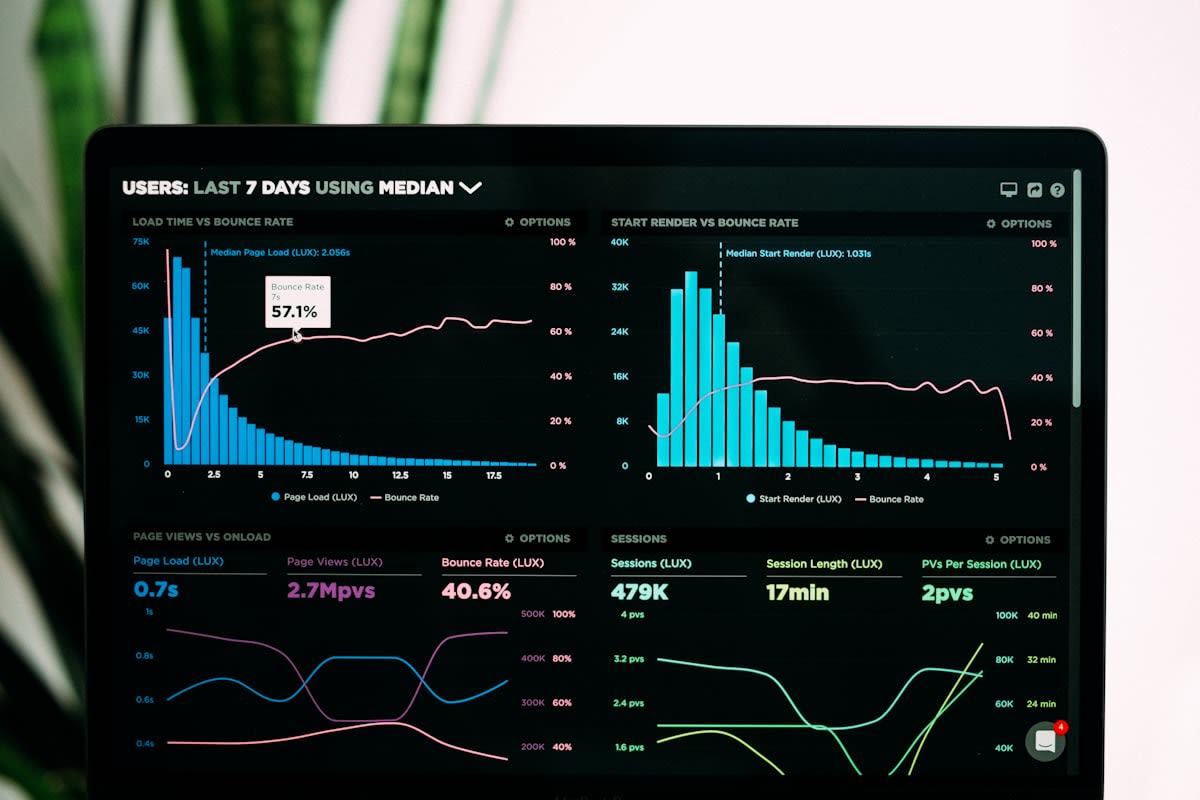
You cannot fight a ghost. Before you start complaining to a manager who is likely just as terrified of the dashboard as you are, you need the map. You need to know exactly which telemetry is being fed into the audit engine. Is it Jira velocity? Is it Salesforce pipeline movement? Is it something more insidious, like 'active hours' tracked via Microsoft Viva? If you don't know the metric, you are playing a game where the rules change every hour.
- Access to your own performance dashboard (if the company provides one).
- A clear understanding of the 'Weighting Factor'—which metrics actually move the needle on the bonus.
- Knowledge of the 'Peer Baseline'—the average output of your cohort in your specific hub (e.g., São Paulo vs. London).
- A log of 'Invisible Value'—the things you do that the software cannot see.
The biggest mistake beginners make is assuming the audit is objective. It isn't. The audit is a reflection of what the C-suite values this month. If the board in New York decides 'synergy' is the goal, the audit parameters shift. Your high output in a silo becomes a liability. You need to align your visibility with the current appetite of the executive layer, not the job description you signed three years ago.
The Survival Protocol: How to Stop the Bleeding
- Audit the Auditor: Spend one week tracking your own time against the company's KPIs. Find the gap where you are providing value that the system ignores. This is your 'Leverage Gap.'
- Optimize for Visibility, Not Just Volume: High volume that isn't tagged correctly in the system is zero value. Ensure every win is timestamped and linked to a high-weight KPI. If it isn't in the dashboard, it didn't happen.
- Engineer 'Value Spikes': The algorithm often ignores steady state performance. Create visible, high-impact wins at the end of audit cycles to skew the average upward. This is the only way to trigger a manual override from a human manager.
- Document the Friction: Keep a ledger of why the metrics failed. Did a server crash in the Frankfurt hub? Was there a legal bottleneck in the Jakarta office? The audit sees a dip; you need to provide the context that turns a 'failure' into 'resilience.'
- Force a Manual Calibration: Request a quarterly 'Metric Alignment' meeting. Do not ask for more money; ask for a review of the weights. This forces the manager to acknowledge the flaws in the automated system.
"Real-time auditing doesn't measure value; it measures visibility. If the software can't see it, it doesn't exist. The danger isn't the algorithm—it's the manager who stops thinking because the dashboard told them the answer."— Sarah Chen, Principal Consultant at Apex Performance Labs
This process is grueling. It turns the workplace into a digital panopticon. But the alternative is blind acceptance of a shrinking check. You have to treat your career like a product. If the product's value is being audited in real-time, you must manage the telemetry. It is a game of perception backed by data. If you can't manipulate the perception, you'll be crushed by the data.
Ground-Level Friction: The Ugly Reality
Here is what they don't tell you in the HR orientation: the 'Green Dashboard' syndrome. In many hubs, from Singapore to São Paulo, teams have started gaming the RTVA systems. You'll see developers pushing meaningless commits at 3 AM to spike their activity metrics. You'll see sales reps inflating pipeline stages just to keep their 'momentum' score high. It's a race to the bottom where everyone looks productive on paper while the actual project is rotting from the inside. The friction arises when the 'Paper Value' hits the 'Real World' wall, and the project fails despite everyone having a 'Green' status.
The political infighting is even worse. When bonuses are tied to relative value, your colleague's success is literally your loss. I've seen teams in Bangalore stop helping juniors because 'mentorship' doesn't have a KPI tag in the audit engine. Why spend two hours fixing a peer's bug when the system only rewards the number of tickets closed? The RTVA doesn't just shrink your bonus; it kills the culture of cooperation. You are left with a collection of high-performing silos who hate each other.

Common Pitfalls to Avoid
- Trusting the 'Transparency' Lie: When a company says the dashboard is 'transparent,' it usually means you can see the result, but not the formula. Never assume you know how the math works.
- The 'Hard Work' Fallacy: Working 80 hours a week is irrelevant if your output is tagged as 'Low Impact.' Effort is a vanity metric; value is the only currency.
- Ignoring the Peer Delta: If the entire team's value is rising but your bonus is still shrinking, you aren't being audited against a goal—you're being audited against your peers. This is a zero-sum game.
- Over-reliance on a Single Metric: If you optimize for one KPI, you leave yourself vulnerable when the board shifts the weights. Diversify your visibility.
The most dangerous trap is believing that the system is fair. It isn't. It's a tool for cost-cutting disguised as a tool for meritocracy. Bonus volatility has increased by 15% globally as firms lean into these models to shift risk from the company to the employee (Source: Global Compensation Index, 2024). The system is designed to find a reason to pay you less. Your job is to make it mathematically impossible for them to do so.
Editorial Note
The 'Evidence-Only' reality: While 40% of employees report a misalignment between their actual work and their tracked KPIs (Source: Workforce Sentiment Study, 2023), most corporate communications frame this as a 'learning curve' for the new system. It is not a curve; it is a feature of the design.
Fact-Check & Accuracy Note
Settled: RTVA systems are widely deployed in finance and tech hubs. Debated: The claim that RTVA increases overall productivity. While individual 'metrics' go up, project success rates often stagnate due to the 'Green Dashboard' effect described above.