#attention preservation
Discover 8 curated intelligence briefings related to this specific topic.

Vagus Nerve Biohacking: The 2024 Surge
Neuromodulation is moving from surgical theaters to consumer wearables. This report examines the 12-month delta in Vagus Nerve Stimulation adoption across Mumbai, Jakarta, and Lagos, identifying vital failure points in home-grade hardware.

The Great Erasure: How Minimalist Branding Killed the Brand
400 pixels. That is all that remains of a century of heritage. A single, weightless sans-serif font. Zero personality. Pure corporate sterility.
The Subscription Death Spiral: Salvaging Growth When Users Stop Paying
A CFO in Jakarta just slashed 40% of their software stack. They didn't do it because of a budget cut. They did it because they are tired of paying for seats no one uses.

The Algorithmic Axe: Surviving the Real-Time Value Audit
A dashboard in the Marina Bay Financial Centre just slashed your Q3 incentive by 12%. You didn't miss a deadline. You didn't fail a KPI. You simply failed the real-time value audit.

Breaking the Glass: How to Build Digital Ruins for a More Human Web
Stop optimizing for a frictionless void. Learn how to implement intentional friction, asymmetric compositions, and power-user paths to rescue the internet from the sterility of perfect UX.

Why Am I Always Tired? Science-Backed Reasons and Solutions
Chronic fatigue is not a personal failing or a simple lack of sleep; it is a systemic mismatch between our evolutionary biology and the architecture of modern global life. We examine the metabolic, circadian, and cognitive shifts driving this global energy crisis.

The Decision Audit: Why the Global Elite are Killing Choice to Save Their Brains
Explore the aggressive shift toward decision minimalism among the world's top executives and athletes, where reducing daily trivialities is the new competitive advantage.

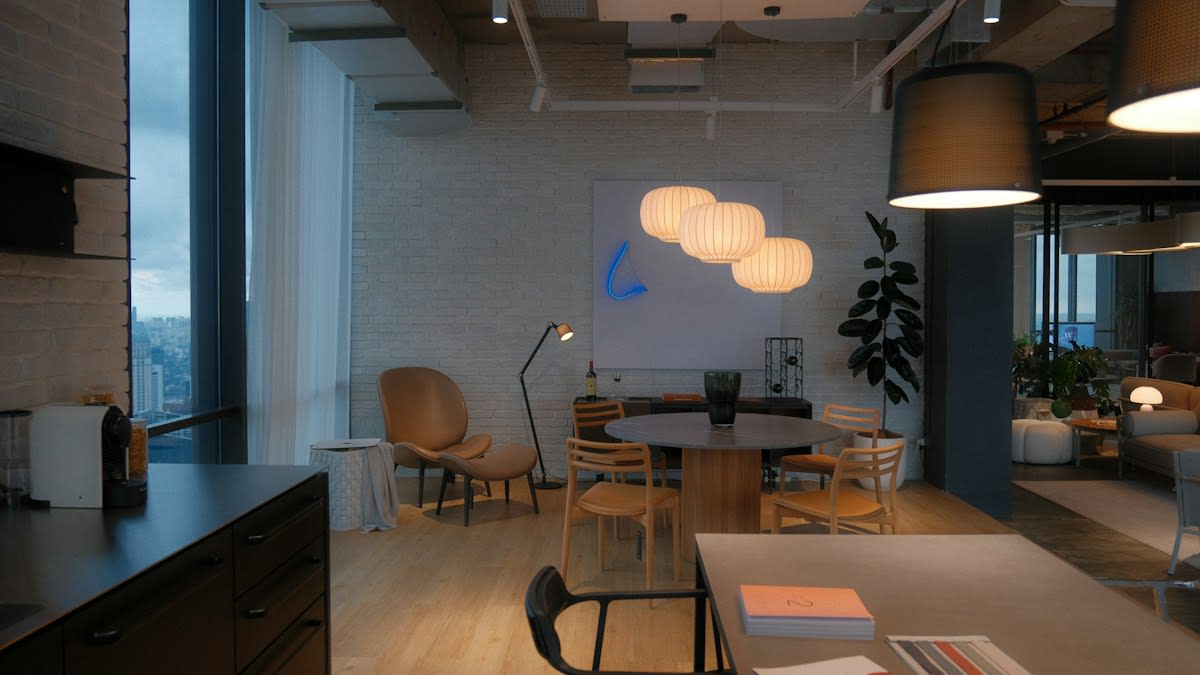
The Quiet Aesthetic: A Guide to Designing Low-Stimulus Content for an Overwhelmed World
Stop shouting at your audience. Learn the practitioner's approach to low-stimulus design, from sensory audits to the strategic use of negative space, to create content that respects the human cognitive limit.