
The skyline of Bac Ninh in Vietnam is a forest of steel and glass, punctuated by the logos of global electronics giants. To a casual observer or a shareholder reading a quarterly report, this is the image of a triumphant industrial migration. The narrative is seductive: companies are fleeing the geopolitical volatility of China, and Southeast Asia is the natural heir to the throne of global production. But look past the ribbon-cutting ceremonies and the soaring Foreign Direct Investment (FDI) figures, and a more unsettling reality emerges. This is not a migration of industry so much as it is a redistribution of assembly.
Why does this distinction matter? Because assembly is a low-moat activity. When a smartphone is assembled in Vietnam, the high-value components—the chipsets, the camera modules, the advanced displays—still originate in China, South Korea, or Japan. The local economy captures the labor cost and a small margin of the assembly fee, but the intellectual property and the deep supply chain resilience remain external. This creates a superficial growth pattern where GDP rises, but the actual industrial capability of the nation remains stagnant. Is this a sustainable economic model, or merely a temporary arbitrage of labor costs?
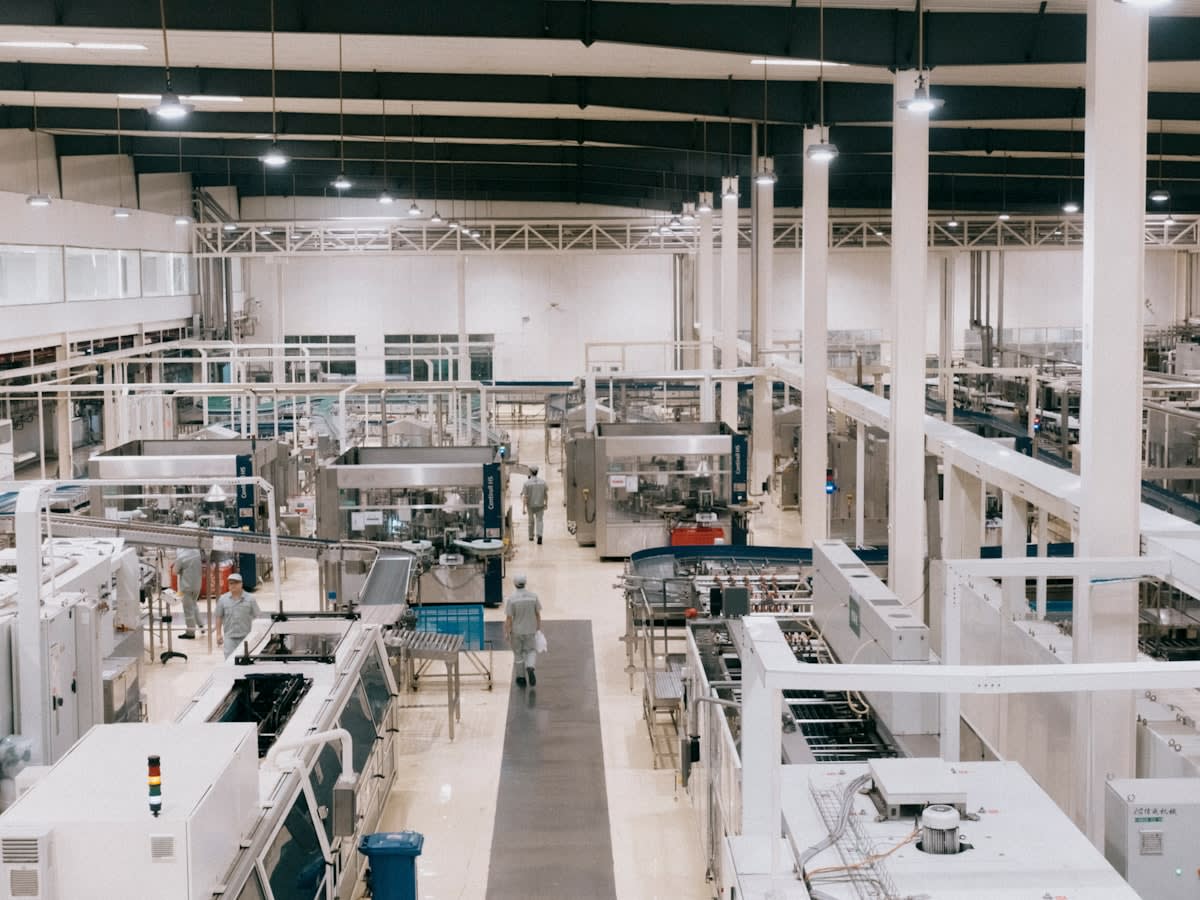
The China Plus One Illusion
The strategy known as China Plus One was designed to mitigate risk. By diversifying production into countries like Malaysia or Thailand, firms hoped to insulate themselves from tariffs and political shocks. However, the operational reality is that these new hubs are often just satellites of the original Chinese ecosystem. In many cases, the 'diversified' factory in Southeast Asia imports 70% to 90% of its intermediate goods from Chinese suppliers. The supply chain hasn't actually been shortened or diversified; it has simply been stretched, adding a layer of logistical complexity and cost without removing the primary point of failure.
This dependency creates a profound operational fragility. If a systemic shock hits the Chinese mainland—be it a health crisis or a trade embargo—the factories in Southeast Asia do not survive as independent entities. They freeze. They are the tail of the dog, not the head. The illusion of autonomy vanishes the moment the first container ship from Shenzhen is delayed. This is the central paradox of the current boom: the very effort to reduce reliance on China has created a new, more opaque form of dependence.
| Country | Primary Driver | FDI Growth (Avg) | Local Value Add | Fragility Factor |
|---|---|---|---|---|
| Vietnam | Consumer Electronics | 12.5% | Low (<15%) | Energy Stability |
| Thailand | Automotive/EV | 4.2% | Medium (30%) | Labor Aging |
| Malaysia | Semiconductors | 6.8% | Medium (25%) | Talent Drain |
| Indonesia | Battery Materials | 9.1% | Low-Medium (20%) | Regulatory Flux |
The data suggests a worrying trend of uneven development. While nominal FDI growth is impressive, the local value-add remains stubbornly low. In Vietnam, for instance, the electronics sector dominates the export ledger, yet the percentage of components sourced from local firms is negligible. The country is essentially operating as a massive transit hub for value created elsewhere. This lack of depth means that the moment labor costs rise—which they inevitably do—these companies will move again, leaving behind empty shells of factories and a workforce with assembly skills but no design capabilities.
"We are seeing the rise of 'screwdriver economies'—nations that can put a product together with precision but cannot imagine a single part of that product from scratch."— Industry Analyst, ASEAN Manufacturing Council
The Missing Middle and the Talent Void
Beyond the supply chain, there is a human capital crisis simmering beneath the surface. Southeast Asian nations have plenty of low-cost manual labor and a handful of elite executives. What they lack is the 'missing middle'—the mid-level managers, specialized engineers, and operational experts who can optimize a floor for efficiency rather than just volume. This gap forces global firms to import expatriate management, further decoupling the local workforce from the actual knowledge transfer.
In Malaysia, the semiconductor industry provides a cautionary tale. The country has excelled in back-end assembly, testing, and packaging (OSAT). However, the front-end—the actual design and fabrication of wafers—remains concentrated in the US, Taiwan, and South Korea. Malaysia is a critical link in the chain, but it is a link that can be replaced if a cheaper alternative emerges. Without a fundamental realignment toward R&D and high-end engineering, the region risks a premature deindustrialization where it is too expensive for low-end work but too unskilled for high-end innovation.
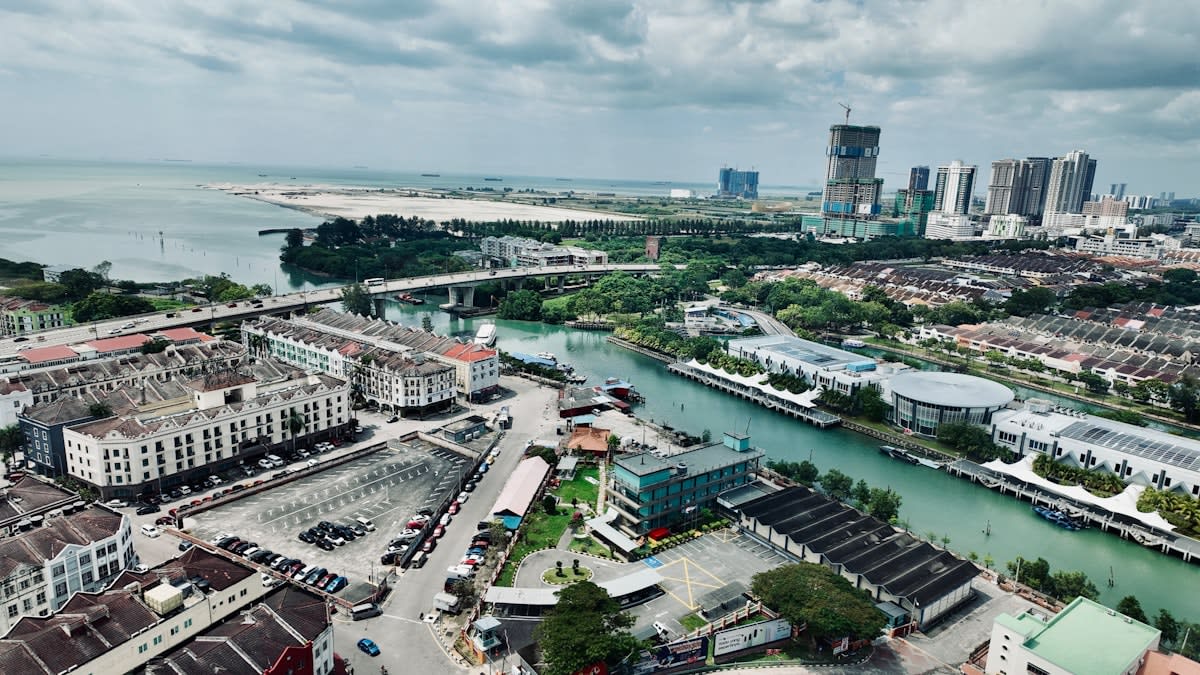
This talent void is compounded by crumbling or insufficient infrastructure. Northern Vietnam has recently faced severe power outages that crippled electronics plants, proving that the physical grid cannot keep pace with the rapid industrial expansion. Thailand is grappling with an aging workforce and a rigid automotive supply chain that is struggling to adapt to the electric vehicle (EV) transition. When the power goes out or the labor pool shrinks, the fragility of the 'boom' is laid bare.
The result is a precarious equilibrium. The region is currently winning because it is the path of least resistance for capital fleeing China. But resistance is a variable. If the US and EU move toward 'near-shoring'—bringing production back to Mexico or Eastern Europe—the competitive advantage of Southeast Asia will evaporate. The region has spent the last decade building capacity for volume, but it has neglected the capacity for resilience.
The Nickel Trap and Regulatory Volatility
Indonesia provides perhaps the most aggressive example of attempting to force value-add. By banning the export of raw nickel ore, Jakarta has forced mining companies to build smelters and battery plants within its borders. On the surface, this is a masterstroke of resource nationalism. It forces the industrialization of the country by leveraging its natural monopoly on critical minerals. Yet, the operational fragility here is regulatory. Foreign investors are wary of a government that can change the rules of the game overnight through executive decree.
Furthermore, the technology required to turn nickel into high-grade battery cathodes is still largely imported. Indonesia is building the factories, but the 'brains' of the operation—the chemical processes and the patents—remain in the hands of Chinese and Korean firms. This mirrors the Vietnamese electronics experience: the physical asset is local, but the value is extracted globally. The danger is that Indonesia may build a massive industrial complex that is technically obsolete by the time it reaches full capacity, should battery chemistry shift away from nickel toward LFP (Lithium Iron Phosphate).
This pattern of 'forced industrialization' often ignores the subtle requirements of a healthy ecosystem. A real manufacturing hub needs a cluster of small and medium enterprises (SMEs) that provide specialized parts, maintenance, and logistics. In Southeast Asia, these clusters are underdeveloped. You have the giant 'anchor' factory surrounded by a wasteland of low-value service providers. There is no organic growth of a local industrial base, only the implantation of foreign islands of efficiency.
The Strategic Imperative
The current growth trajectory is a race against time. The region must transition from being a destination for cost-cutting to a destination for value-creation before the labor arbitrage window closes.
Ultimately, the fragility of the Southeast Asian boom is a failure of vision. For too long, the success of these nations has been measured by FDI inflows and export volumes. These are vanity metrics. The real metrics of industrial health are local sourcing ratios, the number of domestic patents filed, and the depth of the technical middle class. By these standards, the region is not booming; it is merely hosting.
To survive the next decade, these nations must stop treating manufacturing as a real estate play and start treating it as an intellectual one. This requires a brutal honesty about their dependencies. It means investing in vocational training that goes beyond basic assembly and creating a regulatory environment that attracts not just the factory, but the research lab. Without this, the 'House of Cards' will hold as long as the wind is calm, but it will not withstand a true global storm.