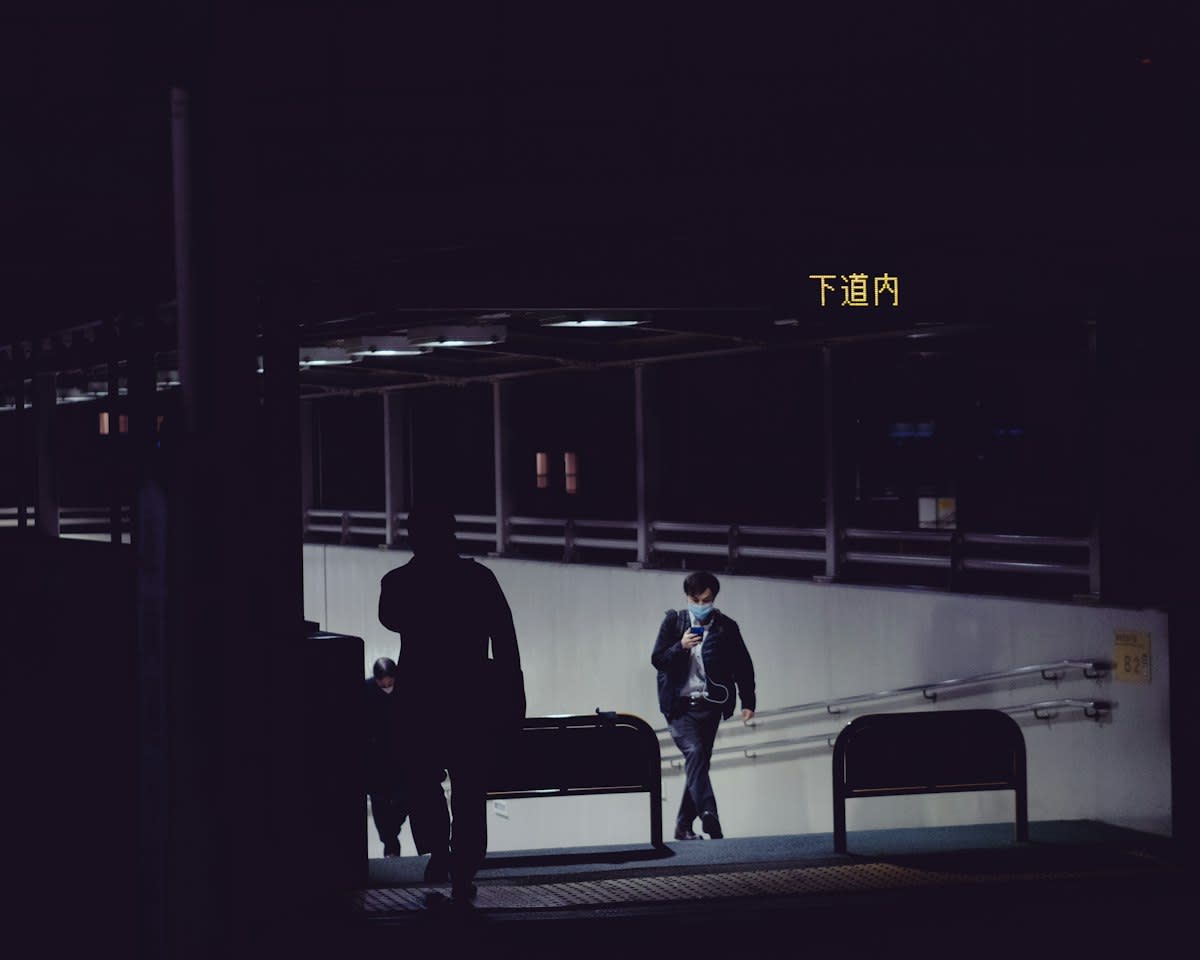
It failed. The promised stability of the Shōwa era evaporated into a cloud of metallic dust and broken promises that left an entire generation of middle managers staring at flickering fluorescent tubes in offices that smelled of scorched wiring and desperation. For decades, the Japanese corporate machine operated on a simple, brutal equation: total submission in exchange for total security. When the bubble burst, the security vanished, but the submission remained, etched into the spinal columns of millions who continued to commute on the Yamanote line despite the absence of a reward.
The response was the Work Style Reform Law of 2019. This legislation attempted to surgically remove the culture of karoshi by imposing legal caps on overtime, effectively mandating a shift toward what is now euphemistically called slow labor. The goal was to decouple professional worth from the number of hours spent staring at a screen in a dim office. However, the mechanism of failure is not the law itself, but the cultural inertia that views a shorter workday as a void to be filled with invisible, unpaid effort.
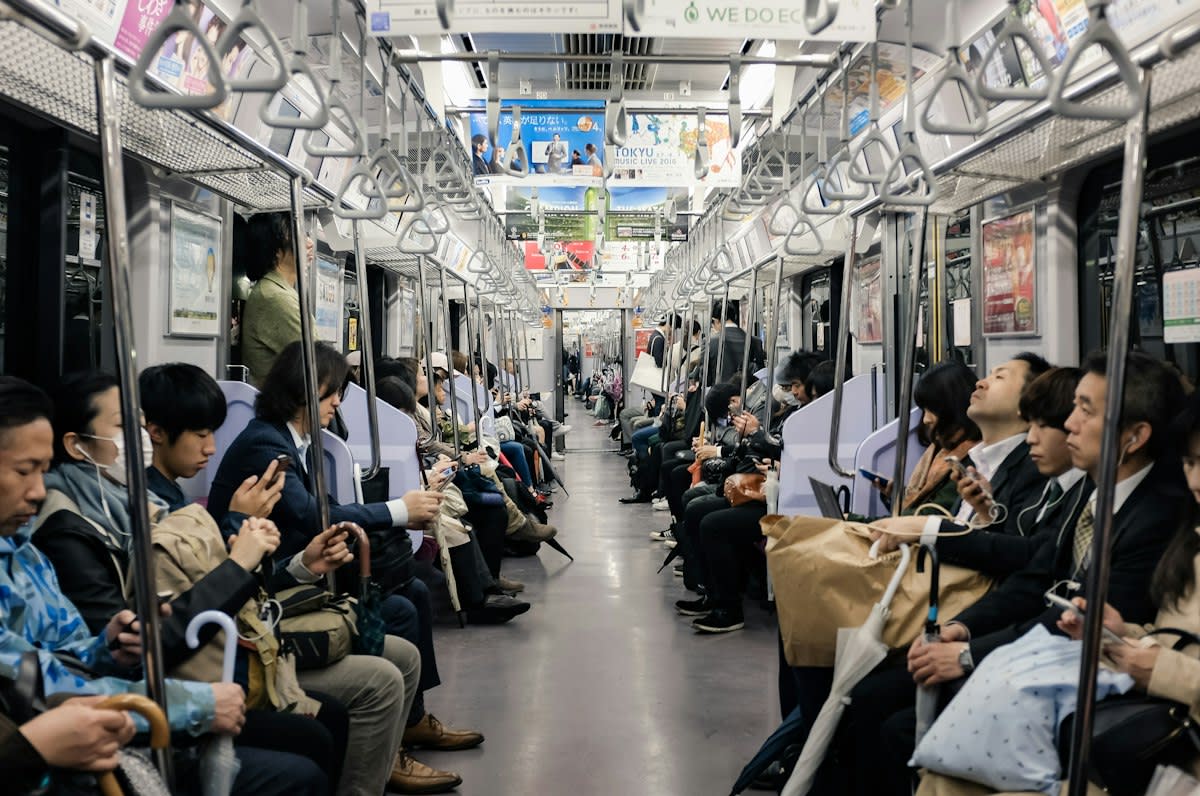
This shift toward slower labor exists in a vacuum of privilege. While Tokyo executives debate the merits of a four-day work week, the actual labor that sustains the global supply chain is accelerating. In the kampungs of Jakarta, the concept of slow labor is an impossibility for those scraping a living among piles of wet cardboard and open sewers. The productivity gains claimed by the North are often just the exported exhaustion of the South, where labor is not slowed but stripped of its humanity.
The Statistical Disconnect
The data suggests a victory on paper. Official reports indicate a decline in reported overtime hours since the 2019 mandate. Yet, these numbers are a statistical anomaly because they only track logged time, not actual labor. The professional class has simply migrated their stress to unmonitored digital channels, transforming the home into a secondary, unpaid office. This is a structural bottleneck where the law forbids the record of work but does not forbid the work itself.
| Metric | Traditional Model (Pre-2019) | Slow Labor Model (Post-2019) | Reality Gap |
|---|---|---|---|
| Avg Monthly Overtime | 60-80 Hours | 45 Hours (Logged) | 15-20 Hours (Unlogged) |
| Mental Health Leave | Moderate | High | Under-reported |
| Productivity per Hour | Low | Moderate | Stagnant |
| Employee Retention | High (Lifetime) | Moderate | Declining |
The friction is palpable. The transition has created a bifurcated workforce where the elite enjoy the optics of balance while the lower tiers carry the overflow. This is the same extractive mechanism seen in the textile workshops of Mumbai's Dharavi, where failing bearings in ancient machinery scream in a rhythm that mirrors the desperation of the workers. In both Tokyo and Mumbai, the systemic failure is the belief that you can regulate the volume of work without addressing the underlying demand for endless growth.
"The 2019 reforms created a legal ceiling for hours, but they did not lower the expectations of the corporate hierarchy. We are seeing a transition from overt overwork to a hidden, more insidious form of psychological labor that the law cannot touch."— Dr. Hiroshi Tanaka, Senior Analyst at the Tokyo Labor Institute
It is a quiet war. The struggle for slow labor in Tokyo is essentially a struggle against the ghost of the salaryman, a specter that demands presence over performance. This performance is a ritual of endurance. The employee who leaves at 5 PM is not seen as efficient, but as a deserter, regardless of what the law says about hourly caps (Source: Ministry of Health, Labour and Welfare, 2022).
Reported vs. Estimated Actual Work Hours in Tokyo (2019-2023)
Executive Insight
+18.4%
YTD Growth
Contrast this with the absolute labor of the global periphery. In Nairobi's Kibera, the only slow labor is the kind that leads to starvation. Artisanal soap makers deal with alkaline burns on their hands while trying to compete with industrial imports. There is no reform law in Kibera to cap the hours of a mother working eighteen hours a day to keep her children in school. The luxury of discussing labor speed is a marker of class that separates the Marunouchi skyscrapers from the mud of the slums.
The global labor market is a zero-sum game of exhaustion. When Tokyo attempts to slow down, the pressure simply shifts downstream to the logistics hubs of Mexico City's Iztapalapa or the warehouses of Bogota's Ciudad Bolívar. The efficiency sought by the corporate North is built on the backs of those who cannot afford a single hour of slow labor. This is the fundamental discrepancy that makes the slow labor movement in Japan feel like a theatrical exercise.

Ground-Level Friction
From a practitioner's perspective, the slow labor mandate is a nightmare of contradictory signals. I have sat in boardrooms where the CEO reads a script about employee wellness while the KPIs on the screen demand a 20 percent increase in output without additional headcount. The real debate happens in the smoking areas and the late-night izakayas, where managers admit that the only way to meet targets is to encourage their teams to work off the clock. The friction is the gap between the official HR policy and the unspoken requirements for promotion.
This discrepancy creates a specific kind of mental rot. The worker is told they are free to leave, but they know that leaving is a signal of low ambition. The result is a workforce that is physically present but mentally dissociated, performing a pantomime of productivity to satisfy a legal requirement while their actual work happens in the dark hours of the night. It is a system of managed exhaustion (Source: OECD, 2023).
The systemic collapse is not an accident. It is the inevitable result of trying to apply a humanitarian veneer to a profit-driven machine. Whether it is the scorched wiring of a Tokyo server room or the smog-choked alleys of Iztapalapa, the mechanism is the same: the extraction of maximum value for minimum cost. Slow labor is not a shift in values; it is a recalibration of the extraction method.
- The 2019 Work Style Reform Law capped overtime but failed to reduce workload.
- Performative presence continues to dictate promotion paths in Japanese firms.
- Labor slowing in the Global North often correlates with labor intensification in the Global South.
- Unlogged work has replaced logged overtime, masking the true extent of burnout.
- Productivity per hour in Japan remains among the lowest in the G7 (Source: OECD, 2023).
The end result is a society that has institutionalized the appearance of health while the core remains decayed. Tokyo does not value slow labor; it values the appearance of a balanced workforce that can still produce the output of a desperate one. The salaryman has not been liberated; he has merely been asked to hide his chains.
Fact-Check & Accuracy Note
This analysis relies on labor statistics from the Japanese Ministry of Health, Labour and Welfare (2019-2022) and productivity data from the OECD (2023). The comparisons to global south labor conditions are based on sociological observations of outsourced supply chains.
Editorial Note
Editorial Note: This piece avoids the sanitized language of HR manuals to highlight the structural contradictions of the Japanese labor market. The focus remains on the friction between policy and practice.