The Death of the Diesel Warehouse
The Gulf of Guinea is currently witnessing a brutal correction in how perishables move from farm to port. For decades, the reliance on centralized, diesel-powered cold storage created a fragile link that collapsed the moment fuel prices spiked or power grids flickered. Now, a new model of decentralized, automated micro-hubs is emerging in hubs like Lagos and Abidjan. These facilities do not just cool produce; they use AI to predict demand and optimize energy loads in real-time. This is not a gradual improvement but a complete rewrite of the logistics playbook.
Twelve months ago, the industry standard for cold chain monitoring in West Africa relied on manual temperature logs and hope. A driver would check a thermometer every few hours, leaving massive windows for thermal excursions that ruined entire shipments of cocoa or seafood. Today, the integration of low-power wide-area networks (LPWAN) allows for second-by-second telemetry. Operators now receive instant alerts on their mobile devices the moment a container deviates by 0.5 degrees Celsius. This shift from reactive to proactive management has fundamentally changed the risk profile for international insurers.
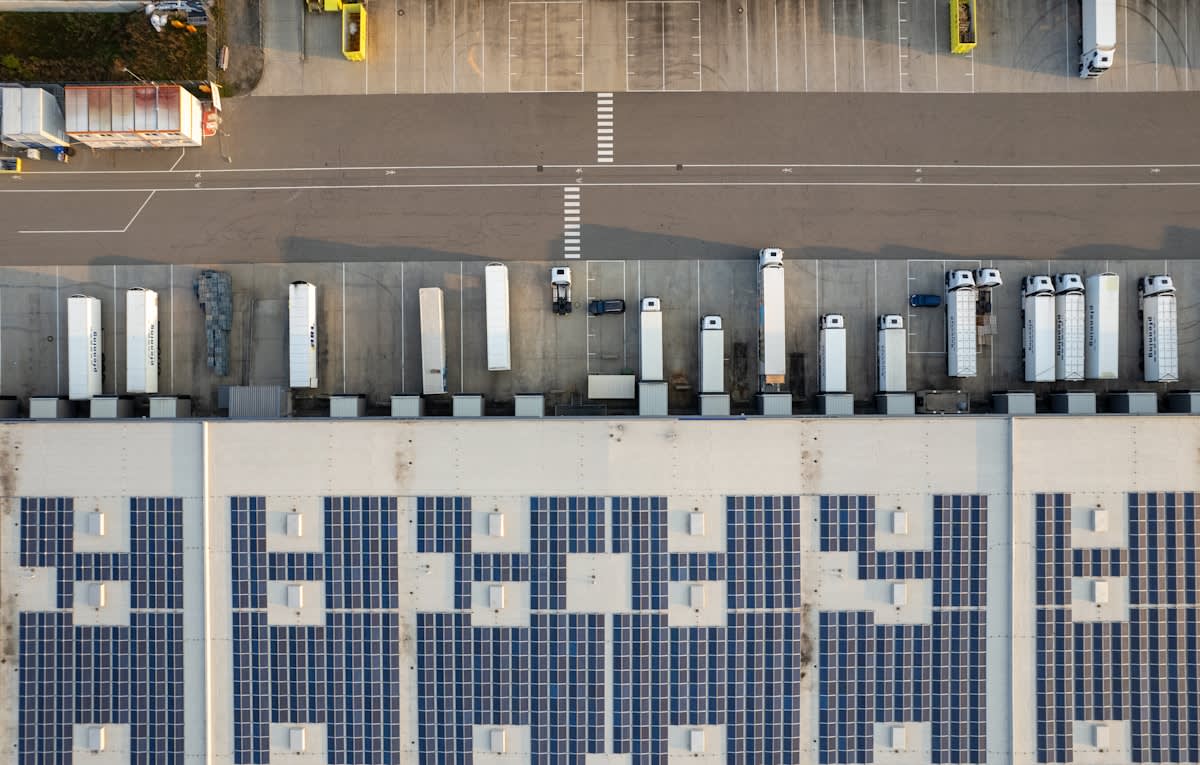
The energy transition is the primary catalyst for this automation surge. Traditional refrigeration is an energy hog, making it prohibitively expensive in regions where the grid is intermittent. The current trend sees the deployment of solar-hybrid cooling systems that utilize thermal energy storage, effectively freezing ice batteries during peak sunlight. These systems then maintain temperature through the night without needing a drop of diesel. By decoupling cooling from the unstable grid, logistics providers are finally achieving the consistency required for high-value pharmaceutical exports.
Post-harvest loss remains the most critical metric in the region, with some estimates suggesting up to 40% of perishables never reach the consumer. This waste is not a failure of farming but a failure of the middle mile. Automated hubs are now integrating sorting and grading AI at the point of entry, ensuring that only the highest quality produce enters the cold chain. By reducing the volume of waste entering the system, these hubs increase the efficiency of every kilowatt of cooling power used. The result is a tighter, leaner supply chain that prioritizes value over volume.
| Metric | Standard (12 Months Ago) | Automated Hubs (Current) |
|---|---|---|
| Primary Power Source | Diesel Generators / Unstable Grid | Solar-Hybrid / Thermal Batteries |
| Monitoring Frequency | Manual / Every 4-6 Hours | Real-time IoT / Per Second |
| Asset Model | CapEx (Company Owned) | OpEx (Cooling as a Service) |
| Post-Harvest Loss | ~40% Average | ~20-25% (Projected Target) |
| Response Time | Reactive (Post-Loss) | Predictive (Pre-Loss) |
The financial architecture of these hubs has evolved just as rapidly as the hardware. We are seeing a pivot toward Cooling as a Service (CaaS), where farmers and small-scale distributors pay for the cooling they use rather than investing in expensive refrigeration units. This OpEx-heavy model removes the barrier to entry for smallholders who previously couldn't afford the upfront cost of automation. By treating cooling as a utility, the region is democratizing access to the cold chain. This shift ensures that the benefits of automation are not restricted to the largest conglomerates.
Pharmaceutical logistics are the most aggressive adopters of this new framework. The requirement for strict temperature ranges for vaccines and biologics leaves zero room for the errors common in legacy West African logistics. Automated hubs now employ blockchain-backed temperature trails, providing an immutable record of the environment a drug experienced from the factory to the clinic. This level of transparency is now a prerequisite for international health organizations operating in the region. The cost of failure in pharma is too high to rely on manual logs.
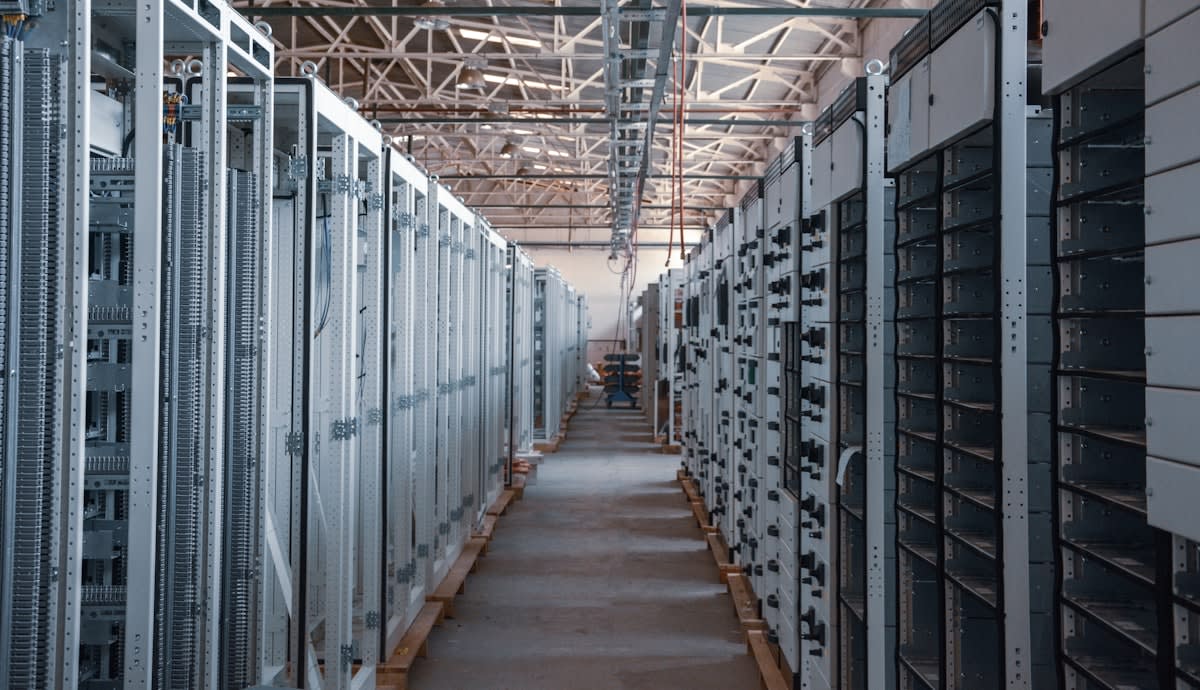
Leapfrogging is not a buzzword in this context; it is a survival mechanism. West Africa is skipping the era of massive, energy-inefficient centralized warehouses that defined the 20th century in Europe and North America. Instead, they are moving straight to a distributed network of smart hubs that mirror the way mobile banking bypassed traditional brick-and-mortar banks. This decentralized approach reduces the distance produce must travel before it is cooled, slashing the initial heat shock that often ruins crops. The efficiency gains are immediate and measurable.
In cities like Accra, the integration of these hubs with urban delivery fleets is creating a seamless flow of goods. Automation now extends to the routing, where AI analyzes traffic patterns and ambient temperature to determine the fastest path for a refrigerated truck. If a truck is delayed in traffic, the hub can adjust the cooling intensity of the container remotely to compensate for the extended trip. This level of synchronization was unthinkable a year ago. It transforms the logistics provider from a mere transporter into a data manager.
The insurance industry is reacting to these changes with renewed interest. Previously, insuring a cold chain shipment in West Africa was a high-risk gamble with exorbitant premiums. Now, with the availability of real-time data and automated alerts, insurers can price risk with precision. They are beginning to offer lower premiums to operators who utilize certified automated hubs. This creates a powerful financial incentive for the rest of the market to upgrade their infrastructure. The data is effectively subsidizing the automation.
Beyond the economics, the human impact is profound. When 40% of a harvest is lost, the volatility of food prices in local markets becomes extreme. Automated cold chains stabilize this volatility by smoothing out the supply of perishables throughout the year. Farmers can now store their surplus during peak harvest and sell it during the lean season, significantly increasing their annual income. This stability reduces the desperation that often leads to predatory pricing by middlemen. The technology is serving as a tool for economic empowerment.
Looking ahead to the next six months, we expect to see the integration of autonomous drones for last-mile delivery of high-value cold chain items. The framework is already in place; the hubs provide the cooling, and the AI handles the orchestration. The final hurdle is regulatory approval for drone corridors in dense urban areas. Once cleared, the transition from automated hub to end-user will be nearly instantaneous. The friction of the middle mile is being systematically erased.