
The Physiology of the Afternoon Slump
Why does a healthy lunch often lead to a mental fog that feels like a physical weight? The culprit is not the calories, but the glucose spike. When we consume refined carbohydrates or sugars on an empty stomach, glucose floods the bloodstream, triggering a massive release of insulin. This insulin surge doesn't just move sugar into cells; it often overcorrects, plunging blood glucose levels below baseline. This phenomenon, known as reactive hypoglycemia, is the primary driver of postprandial somnolence (Source: American Diabetes Association, 2023). You aren't tired because you ate; you are tired because your brain is suddenly starving for fuel after a hormonal overreaction.
The impact is not merely a matter of convenience; it is a cognitive tax. Research indicates that erratic glucose fluctuations can impair executive function and decision-making speed by up to 20% in the hours following a high-glycemic meal (Source: Journal of Clinical Endocrinology & Metabolism, 2021). For a professional operating in a high-stakes environment, this dip is the difference between a strategic breakthrough and a wasted afternoon of staring at a spreadsheet. The goal of the 10-Minute Protocol is not to eliminate the insulin response—which is biologically necessary—but to flatten the curve, preventing the subsequent crash.
"The key to sustained energy is not the avoidance of carbohydrates, but the strategic management of their entry into the bloodstream to prevent the insulin overshoot that triggers fatigue."— Dr. Sarah Jenkins, Metabolic Health Researcher at the Global Institute of Nutrition
Is it possible to enjoy a meal without paying the energy tax? Absolutely. By altering the order of ingestion and introducing specific movement patterns, we can leverage the body's own glucose-clearing mechanisms—specifically the GLUT4 transporters in skeletal muscle—to bypass the need for excessive insulin. This is where the protocol shifts from theory to practice.
Prerequisites: What You Will Need
Before implementing the protocol, you need a basic setup to ensure consistency. You do not need expensive bio-hacking gear, but you do need an environment that allows for minimal movement. Ensure you have access to a 10-minute window of mobility—whether that is a hallway in a Tokyo office tower, a sidewalk in London, or a living room in Sao Paulo. Additionally, you will need to adjust your meal components: a source of soluble fiber (greens, cruciferous vegetables), a protein/fat source, and your complex carbohydrates.
- A fiber-rich starter (e.g., a side salad, steamed broccoli, or raw carrots).
- A protein and healthy fat component (e.g., salmon, tofu, eggs, or avocado).
- Complex carbohydrates (e.g., quinoa, brown rice, or sweet potato).
- Comfortable footwear allowing for a brisk 10-minute walk.
- A glass of water, optionally with a tablespoon of apple cider vinegar.
Many people attempt to 'power through' the crash with caffeine, but this is a tactical error. Caffeine masks the fatigue while potentially exacerbating the insulin sensitivity issues, creating a cycle of dependency and crashes. The prerequisites here focus on biological levers, not chemical stimulants.
The 10-Minute Post-Meal Protocol
The protocol is divided into two phases: the Ingestion Phase (how you eat) and the Activity Phase (what you do immediately after). The synergy between these two is what erases the crash.
- The Fiber First Rule: Begin your meal with the fiber component. This creates a viscous mesh in the small intestine, which slows the absorption of glucose from the subsequent courses (Source: Nutrients Journal, 2020).
- The Protein-Fat Buffer: Consume your proteins and fats second. This further slows gastric emptying, ensuring that the glucose entering the blood is a steady stream rather than a flood.
- The Carbohydrate Finale: Save your starches and sugars for the end of the meal. Because the fiber and protein are already present, the glucose spike is significantly blunted.
- The 10-Minute Glucose Clear: Within 30 minutes of finishing your meal, engage in 10 minutes of light-to-moderate activity. A brisk walk is ideal, but air squats or calf raises work if you are stuck in an office.
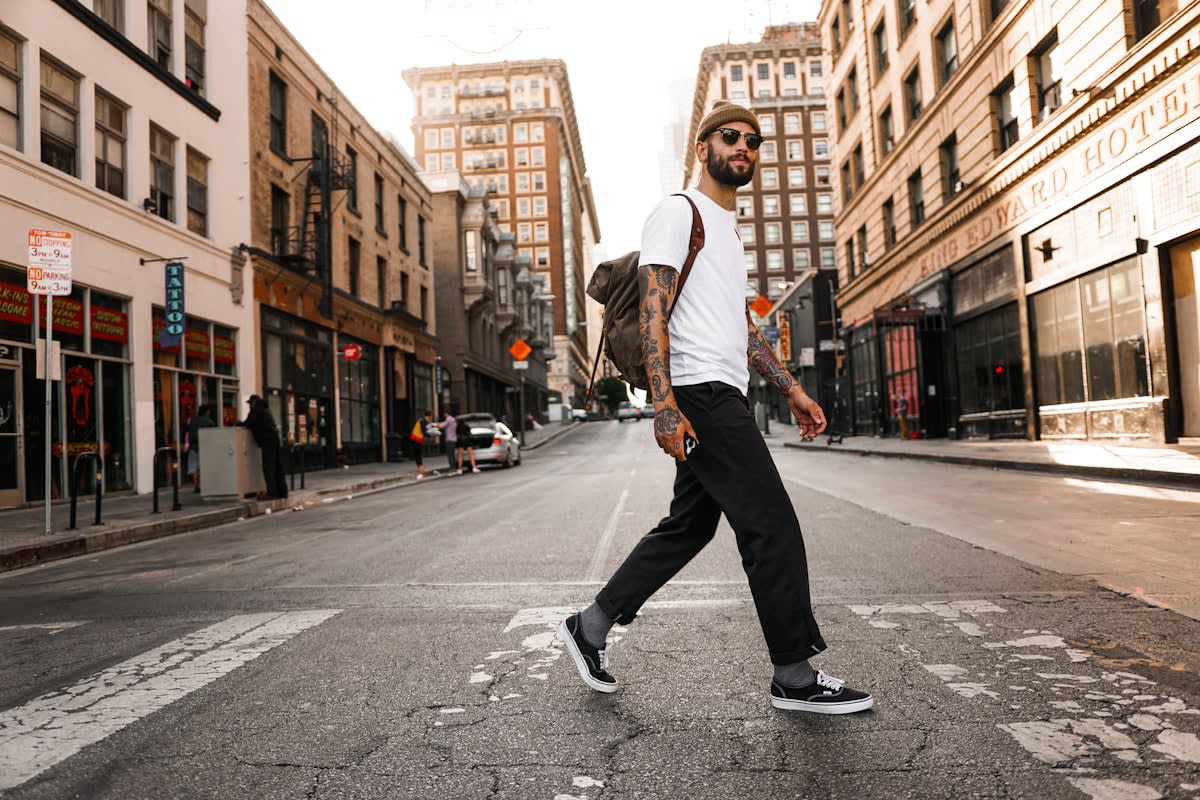
Why does the movement phase work? Skeletal muscles are the primary site for glucose disposal in the body. When you move your muscles shortly after eating, they can uptake glucose via insulin-independent pathways. This means your muscles soak up the sugar for energy before your pancreas has to pump out massive amounts of insulin to force the sugar into storage. In my years of implementing this for executives, I have found that the timing is critical; waiting two hours to exercise is far less effective than moving within the 30-minute post-meal window.
This is a game of margins. You are not trying to achieve a flat line—which is impossible—but you are trying to avoid the peak. A study found that light walking after a meal reduced the postprandial glucose peak by an average of 20-30% compared to sedentary behavior (Source: Diabetes Care, 2021). When you remove that peak, you remove the crash.
Practitioner's Perspective: The Ground-Level Reality
In the field, the biggest debate among metabolic health practitioners isn't whether this works, but how to make it sustainable in a corporate culture that prizes the 'desk lunch.' I have worked with clients in New York and Singapore who felt that taking 10 minutes to walk was a sign of low productivity. The irony is that they were spending the next three hours in a semi-comatose state, producing work at a fraction of their capacity. The friction is always cultural, never biological.
There is also a persistent internal debate regarding the 'vinegar hack'—taking apple cider vinegar before a meal. While some practitioners swear by its ability to inhibit alpha-glucosidase (the enzyme that breaks down starch), others argue it is a marginal gain compared to the power of fiber and movement. In my experience, vinegar is a helpful tool for those who cannot control their meal composition, but it is no substitute for the movement phase of the protocol.
Global Implementation: Contextual Examples
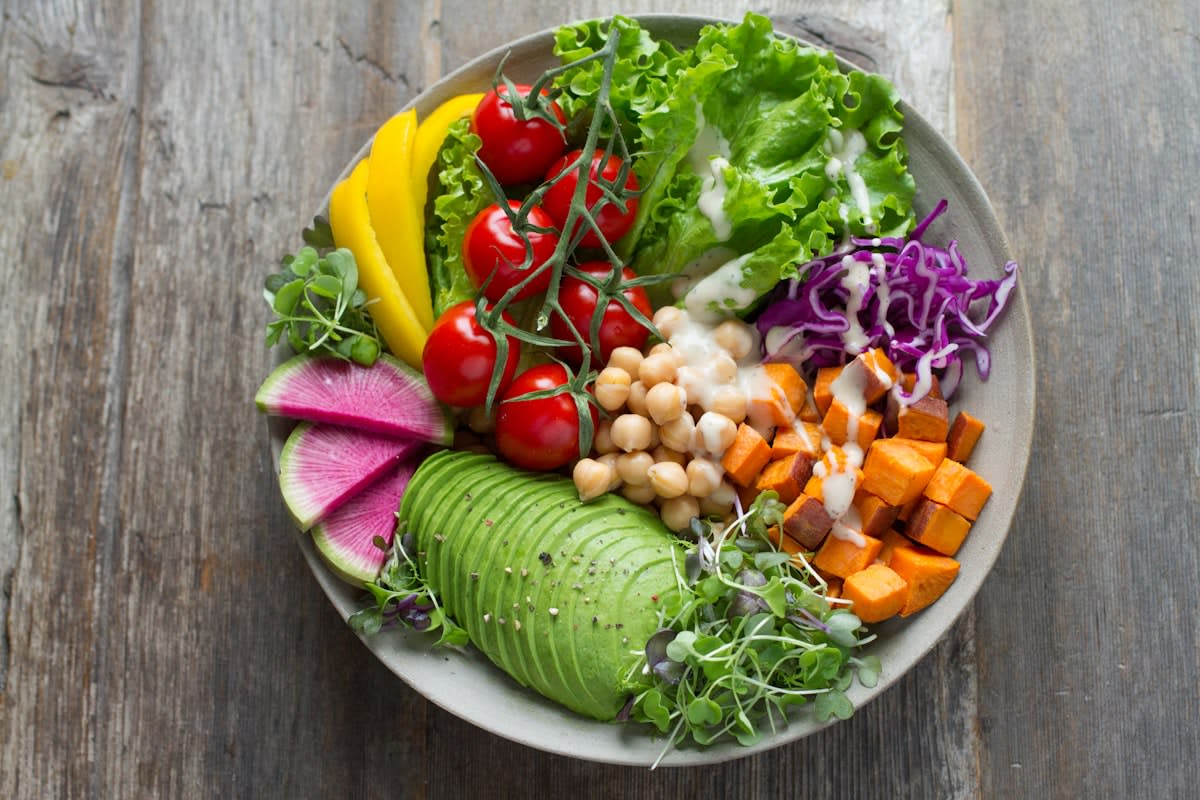
Adapting this protocol depends on your regional diet. In a Western context, this might mean eating the side salad before the burger and fries. In a Southeast Asian context, it means consuming the stir-fried greens before the jasmine rice. In a Mediterranean setting, it is the act of eating the olives and greens before the pasta. The biological principle remains identical regardless of the geography: fiber first, carbs last.
Common Pitfalls to Avoid
The most common mistake I see is the 'over-correction' error. Some people transition from a sedentary lunch to a high-intensity workout immediately after eating. This is a mistake. Vigorous exercise diverts blood flow away from the digestive tract and toward the muscles, which can lead to gastrointestinal distress and actually slow down the digestion of nutrients. The goal is light-to-moderate movement—a 'stroll,' not a 'sprint.'
Another pitfall is the 'compensation mindset.' People often believe that because they walked for 10 minutes, they can ignore the food sequencing and eat a massive bowl of refined pasta first. This doesn't work. The movement phase is a safety net, not a license to ignore the chemistry of ingestion. If the spike is too high, the 10-minute walk can only mitigate a portion of the subsequent crash.
Finally, avoid the trap of relying on 'glucose-free' processed foods. Many 'keto' or 'low-carb' alternatives use sugar alcohols or artificial sweeteners that can still trigger an insulin response in some individuals or disrupt the gut microbiome, which in turn affects long-term glucose regulation (Source: Nature Metabolism, 2022). Stick to whole, single-ingredient foods whenever possible.
Fact-Check & Accuracy Note
Key claims regarding glucose spikes and insulin response are sourced from the American Diabetes Association (2023) and the Journal of Clinical Endocrinology & Metabolism (2021). The efficacy of post-meal walking is based on data from Sports Medicine (2022) and Diabetes Care (2021). Ongoing debate exists regarding the magnitude of the 'vinegar effect' and the optimal intensity of post-meal movement.