The New Frontier of Conservation
For decades, conservation has been a game of lines on a map. We drew borders around forests and fenced off coastlines, believing that physical isolation equaled protection. But a critical blind spot has finally come into focus: the sonic environment. Sound is the invisible infrastructure of the natural world, the primary medium through which animals hunt, mate, and avoid death. When we flood these environments with industrial noise, we aren't just adding a nuisance; we are erasing the sensory maps that wildlife depends on for survival.
The shift in focus is palpable. While early efforts in 2017 focused merely on documenting how manmade noise had infiltrated protected areas in the United States, the current trajectory is far more aggressive. We have moved from observation to active engineering. Scientists are no longer just asking if noise is a problem; they are racing to create acoustic sanctuaries—zones where the sonic landscape is managed as strictly as the water quality or the soil health. This isn't about total silence, but about restoring the acoustic integrity required for biological resilience.
Defining the Shift
An Acoustic Sanctuary is a designated area where human-generated noise is strictly regulated or eliminated to ensure that wildlife can communicate, navigate, and hunt without interference.
This movement gained significant momentum following a July 2023 U.N. report that outlined concrete ways to reduce ocean noise pollution. The report signaled a global recognition that the 'silent war' against noise is as critical as the fight against plastic or carbon. The delta between 2023 and 2026 is stark; we have transitioned from high-level policy recommendations to site-specific legal battles and high-tech interventions across five continents.
The Underwater Cacophony
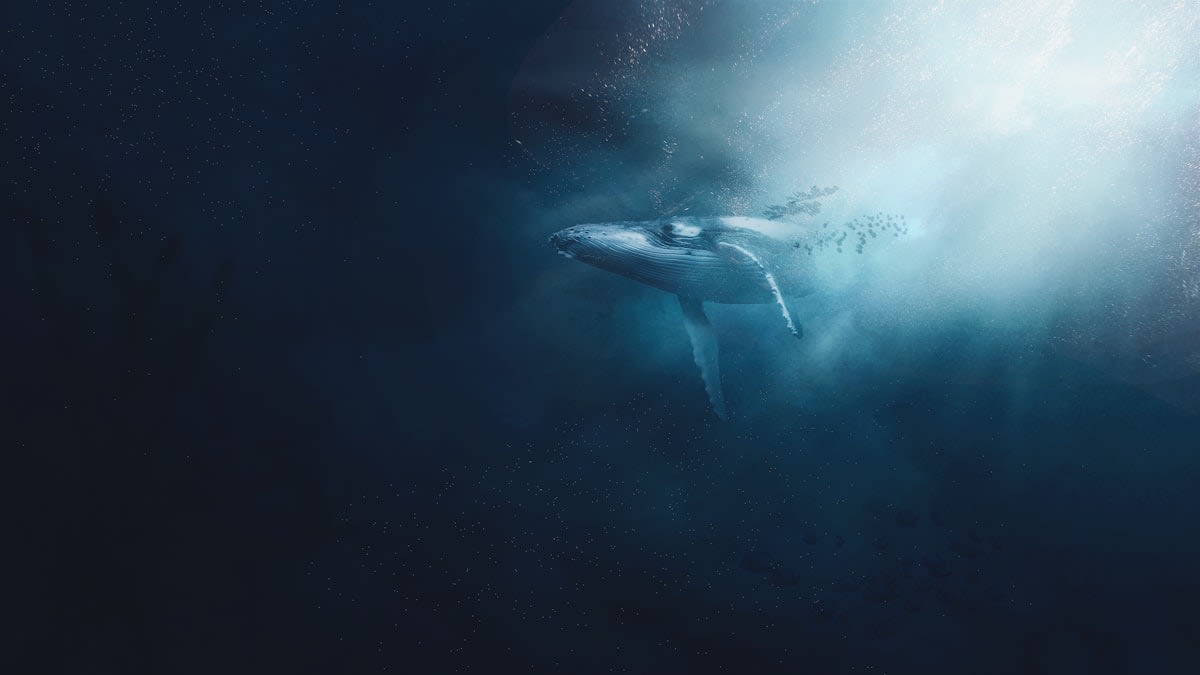
The ocean, once thought to be a vast void, is actually a dense network of acoustic highways. In the North Atlantic, the race to mitigate climate change has created a paradoxical conflict. Offshore wind development offers massive potential for carbon reduction, but the construction process is deafening. However, research published in July 2026 reveals a path forward: careful planning and specific noise-reduction technologies can protect critically endangered North Atlantic right whales with only a minor increase in project costs. The opportunity here is clear—industry can scale without silencing the ocean.
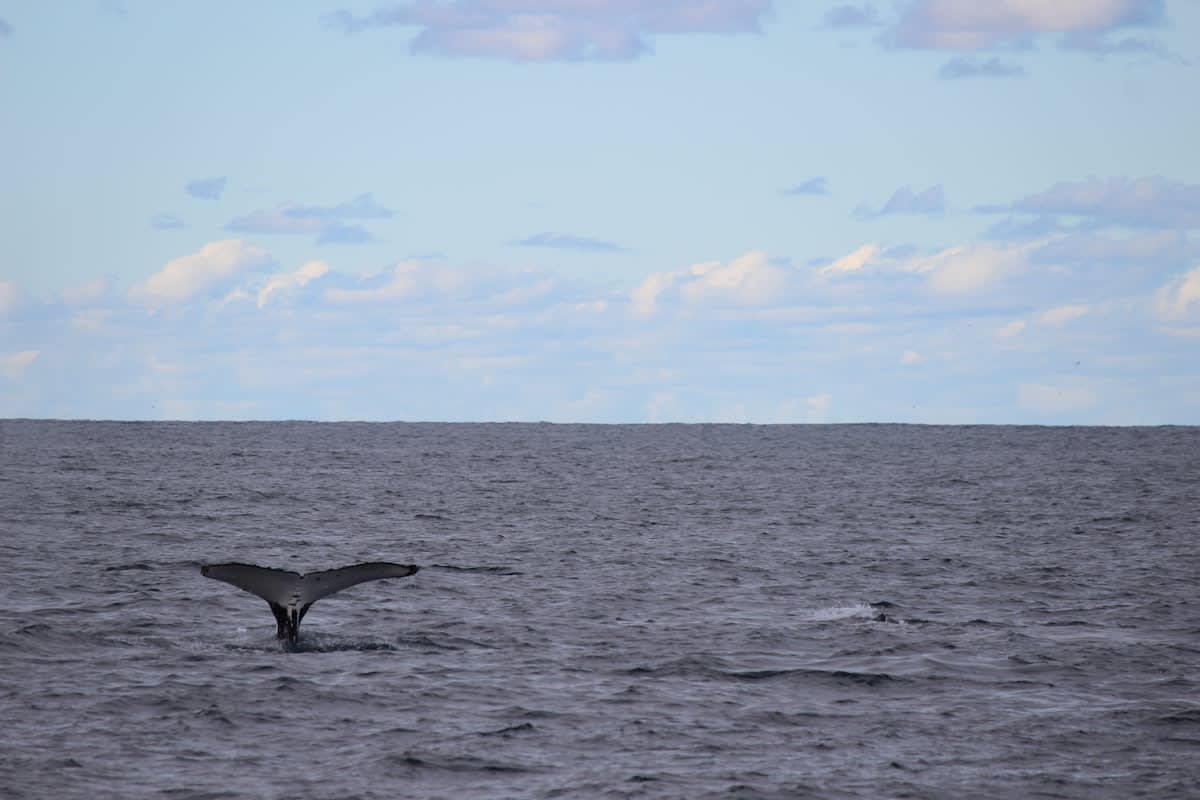
Why does this matter so urgently? Look at the humpback whale. New documentation from July 2026 shows these giants engaging in sophisticated, cooperative hunting along the seafloor, using coordinated formations to corral schools of northern sand lance. This level of teamwork requires precision timing and acoustic synchronization. If the water is filled with the roar of deep-sea mining or shipping traffic, the coordination collapses. The hunt fails. The animals starve.
In the Cook Inlet, the stakes are equally high. University of Washington researchers, reporting in May 2026, have been eavesdropping on beluga whales to decipher their calls. Their goal is to understand exactly how human noise disrupts beluga communication. By mapping the context of these calls, scientists can identify the specific frequencies that are most damaging, allowing them to design sanctuaries that filter out the most disruptive human sounds while leaving the biological signals intact.
| Noise Source | Primary Impact Area | Conservation Response (2024-2026) |
|---|---|---|
| Offshore Wind Construction | North Atlantic | Implementation of noise-reduction tech |
| Deep-Sea Mining | Global Abyssal Plains | Calls for acoustic impact assessments |
| Industrial Shipping | Adriatic/Global Oceans | Soundscape mapping projects |
| Coastal Development | Indonesian Mangroves | Habitat protection advocacy |
While the ocean gets the most attention, the fight for acoustic integrity is moving inland with equal intensity. The principle remains the same: if a species cannot hear its world, it cannot survive in it.
Terrestrial Soundscapes Under Siege
On land, the intrusion of noise is often more insidious. In the Galápagos, a May 2025 study found that fast traffic noise is effectively infuriating local warblers. Birds rely on specific song frequencies to defend territories and attract mates. When road noise masks these frequencies, the birds are forced to change their songs or abandon their habitats. This isn't just a behavioral quirk; it's a disruption of the reproductive cycle that could lead to localized population collapses.
The Amazon is facing a similar crisis. By March 2026, research indicated that noise from waterways is threatening the unique social lives of giant river turtles. These creatures operate in a world of subtle vibrations and low-frequency sounds. The mechanical thrum of boat traffic creates a wall of noise that separates these animals from their social groups, hindering their ability to navigate and interact in the dense river systems.
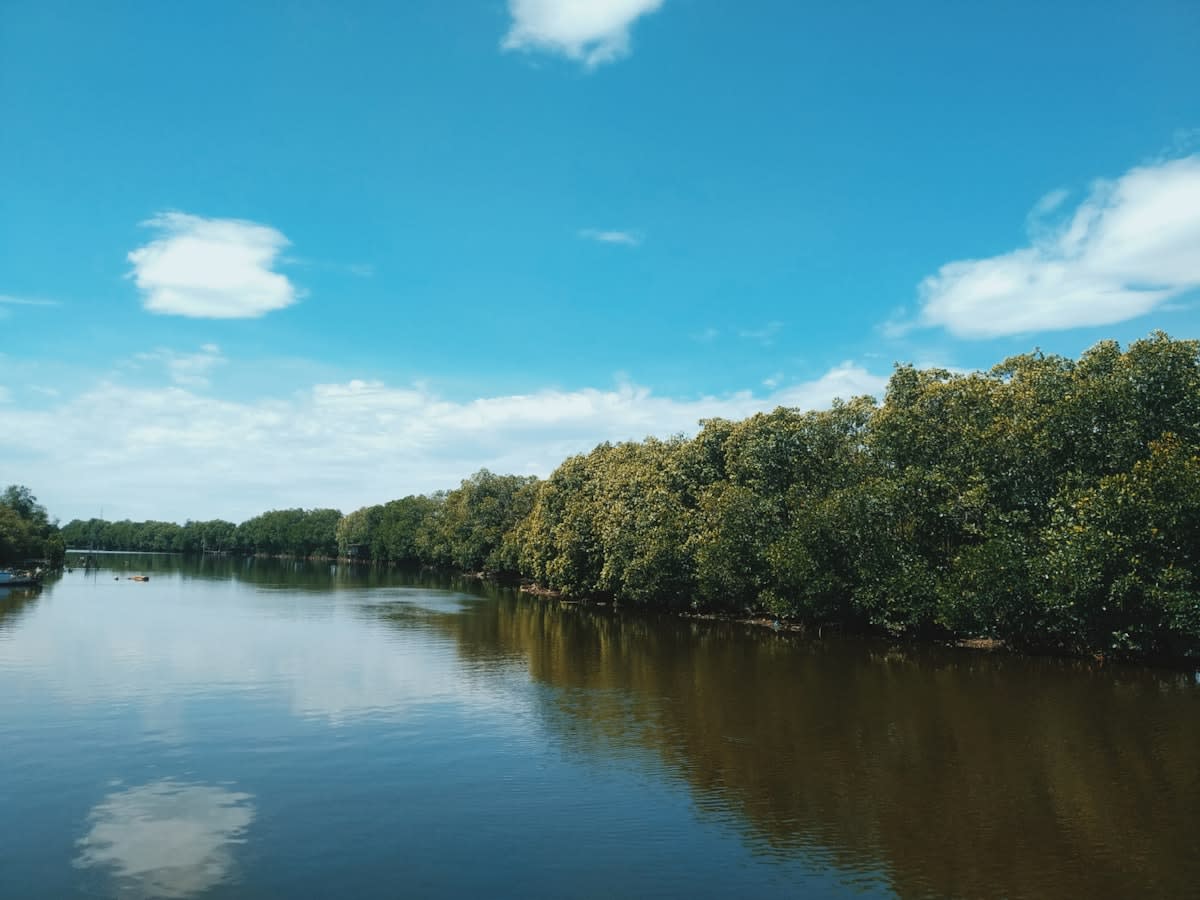
In Indonesia, the construction of a new capital city is putting wildlife-rich mangroves under immense pressure. The noise from massive construction projects doesn't just displace animals; it creates a zone of avoidance. Species that should be thriving in these carbon-sequestering forests are fleeing the din, leaving the ecosystem vulnerable. This highlights a recurring theme: the intersection of urban ambition and ecological silence.
"Sound is critical to the survival of many aquatic species, so any effective sanctuary for marine life needs to account for their acoustic environment too."— Marine Protected Area Advocate
The Legal and Technological Pivot
The most encouraging trend is the shift toward legal enforcement. In August 2025, Nepal's Supreme Court took a landmark step by halting industrial development in Buddha's birthplace. While the motivations were multifaceted, the move underscores a growing legal precedent: the right to a preserved environment includes the right to a preserved soundscape. We are seeing the birth of 'acoustic rights' in the legal sphere.
Technologically, we are moving beyond simple barriers. The use of AI to decipher animal calls, as seen in the Cook Inlet beluga studies, allows us to create dynamic sanctuaries. Imagine a protected area where shipping lanes are shifted in real-time based on the acoustic activity of the whales. This is the future of conservation—not a static fence, but a responsive, intelligent system that breathes with the natural world.
- AI-driven acoustic monitoring to detect species presence and trigger noise restrictions.
- Low-noise construction technology for offshore wind and infrastructure projects.
- Legal designations of 'Quiet Zones' with strict decibel limits for industrial activity.
- Integration of acoustic health metrics into the management of Marine Protected Areas (MPAs).
The transition from the 2017 realization that our parks were too loud to the 2026 implementation of acoustic-specific sanctuaries represents a massive leap in ecological intelligence. We have stopped treating noise as an inevitable byproduct of progress and started treating it as a pollutant that can, and must, be managed.
The 'Silent War' is not about achieving total stillness. It is about ensuring that the songs of the beluga, the calls of the Galápagos warbler, and the social vibrations of the Amazonian turtle are not drowned out by the hum of the machine. By creating these acoustic sanctuaries, we aren't just protecting species; we are preserving the very language of life on Earth.