6 Arrested In Mule Account Fraud In Assam, Suspected Pak Links Probed
Source Entity
NDTV News Search Records Found 1000
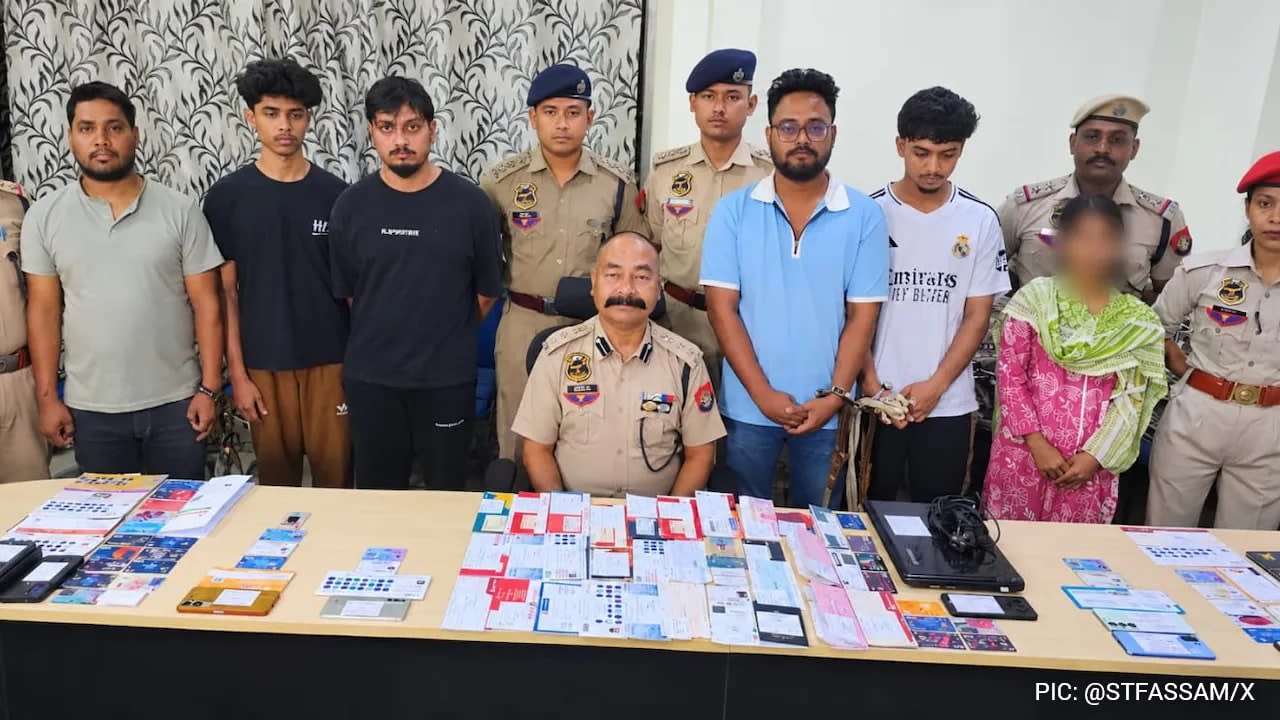
Assam Police's Special Task Force has arrested six individuals for operating a nationwide financial fraud network linked to Pakistani intelligence. The racket utilized mule accounts, including one held by a Guwahati resident, to launder crores of rupees.
Assam Police Dismantle Cross-Border Financial Fraud Network
In a significant security operation, the Assam Police’s Special Task Force (STF) has successfully apprehended six individuals in Guwahati suspected of operating a sophisticated, organized financial fraud network. The investigation, which gained momentum following precise intelligence inputs from the Gajraj Military Intelligence (MI) in Tezpur, highlights a growing nexus between domestic criminal elements and foreign intelligence operatives. The case, which originated from a formal complaint lodged in Sonitpur, underscores the ongoing challenges Indian security agencies face in monitoring illicit financial flows.
The Mechanics of the Fraud
At the center of this operation was the systematic use of 'mule accounts' to facilitate the movement of illicit funds. Investigators focused their attention on a State Bank of India (SBI) account belonging to Marjina Begum, a 28-year-old Guwahati resident. Forensic analysis of this account revealed an influx of large sums of money over a condensed timeframe, a classic hallmark of money laundering and financial subversion. By utilizing these accounts, the perpetrators were able to mask the origins of the funds while distributing them across a wider network.
Intelligence and Inter-Agency Coordination
The success of this operation relies heavily on the synergy between military intelligence and state law enforcement. By leveraging the specific intelligence provided by the Gajraj Military Intelligence, the STF was able to map the operational footprint of the suspects. This collaborative effort demonstrates the evolving nature of internal security, where military-grade intelligence is increasingly necessary to dismantle threats that blend conventional financial fraud with potential espionage or state-sponsored destabilization efforts.
Broader Implications and National Security
The scope of this racket is substantial, with authorities reporting that the group has defrauded victims of several crores of rupees over the past two years. Beyond the immediate financial loss to victims, the alleged connection to Pakistan Intelligence Operatives (PIOs) suggests that these funds may have been intended to support activities detrimental to national stability. The use of domestic citizens as conduits for foreign-linked financial operations remains a primary concern for India’s counter-intelligence units.
Future Trends in Financial Crime
This case serves as a stark reminder of the vulnerabilities inherent in the digital banking landscape. As financial transactions become increasingly digitized, the reliance on mule accounts remains a critical weak point that criminal syndicates exploit to bypass traditional banking safeguards. Moving forward, it is anticipated that Indian regulatory and security agencies will heighten their scrutiny of high-frequency, low-transparency bank accounts to prevent the further proliferation of such cross-border financial networks.
Conclusion
The arrest of these six individuals is a significant tactical victory for the Assam Police. However, it also emphasizes the need for continued vigilance and robust inter-agency cooperation. As investigations continue, the focus will likely remain on unraveling the full extent of the network and identifying the higher-level handlers operating behind the scenes.
Verification Required?