Delhi gasps as AQI hits season’s worst, GRAP-II measures imposed
Source Entity
KUSHAGRA DIXIT
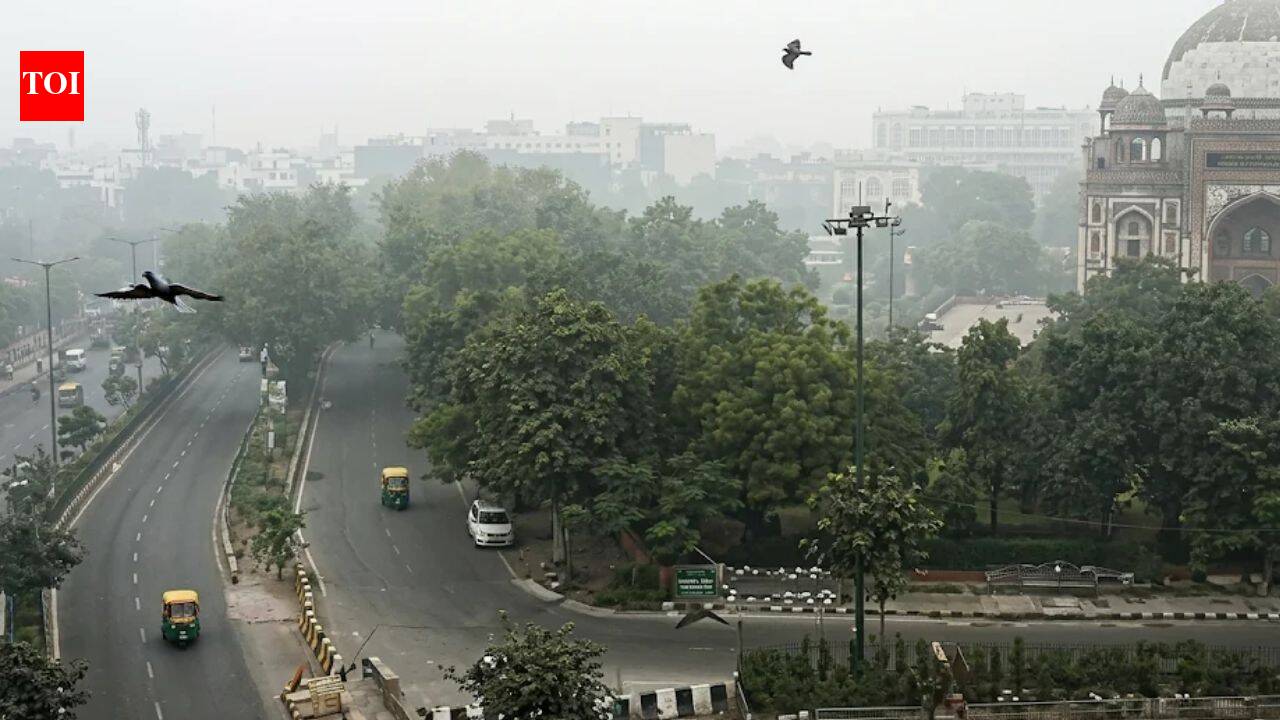
Delhi and surrounding regions in north India have recorded 'very poor' air quality levels, with the AQI crossing the 300 mark as of November 2, 2026. Authorities expect these hazardous conditions to persist for several days despite existing winter pollution curbs.
Delhi Air Quality Crisis: A Return to 'Very Poor' Conditions
On November 2, 2026, the air quality in Delhi and several surrounding regions across north India deteriorated significantly, officially entering the 'very poor' category. According to data provided by the Central Pollution Control Board (CPCB), the 24-hour average Air Quality Index (AQI) for the national capital was recorded at 310 at 8:00 a.m. This shift marks a rapid degradation from the previous day, where the AQI had risen from a moderate 117 on Saturday to 261 by Sunday afternoon.
Regional Impact and Geographical Spread
The pollution crisis is not confined to the capital city alone. Neighboring urban centers, including Noida, have mirrored this decline, with Noida recording an AQI of 311. Other regions, such as Hapur and Kaithal, have also reported similar 'very poor' air quality levels. Visual indicators, such as the thick blanket of smog observed in Central Delhi and specific readings as high as 349 at the ITO intersection, underscore the severity of the atmospheric conditions affecting millions of residents across the National Capital Region (NCR).
Meteorological and Structural Challenges
This decline in air quality comes despite the implementation of seasonal winter pollution curbs aimed at mitigating the annual crisis. The transition from 'moderate' to 'very poor' in such a short window highlights the fragility of air quality management during the winter months. The phenomenon is characterized by the accumulation of pollutants in the lower atmosphere, often exacerbated by stagnant wind conditions that trap particulate matter close to the ground, preventing the natural dispersion of smog.
The Outlook: A Prolonged Struggle
Projections from the Central government’s ‘Air Quality Early Warning System for Delhi’ indicate that the region is unlikely to see immediate relief. The forecast suggests that air quality will remain in the 'poor' to 'very poor' range for the next five to six days. This sustained period of high pollution poses significant public health risks, particularly for vulnerable populations, and places immense pressure on local administrative bodies to enforce stricter emission controls.
Implications for Policy and Public Health
The recurrence of 'very poor' AQI levels despite existing regulatory frameworks raises critical questions regarding the efficacy of current mitigation strategies. As the winter season progresses, the persistence of these levels necessitates a more aggressive approach to source control, ranging from vehicular restrictions to industrial and construction site monitoring. The situation on November 2, 2026, serves as a stark reminder of the persistent challenges India faces in managing urban air quality, requiring sustained coordination between central and state agencies to protect public health.