Artificial finger lacks promised thumb impression, company told to pay Rs 40,000
Source Entity
Ashish Shaji
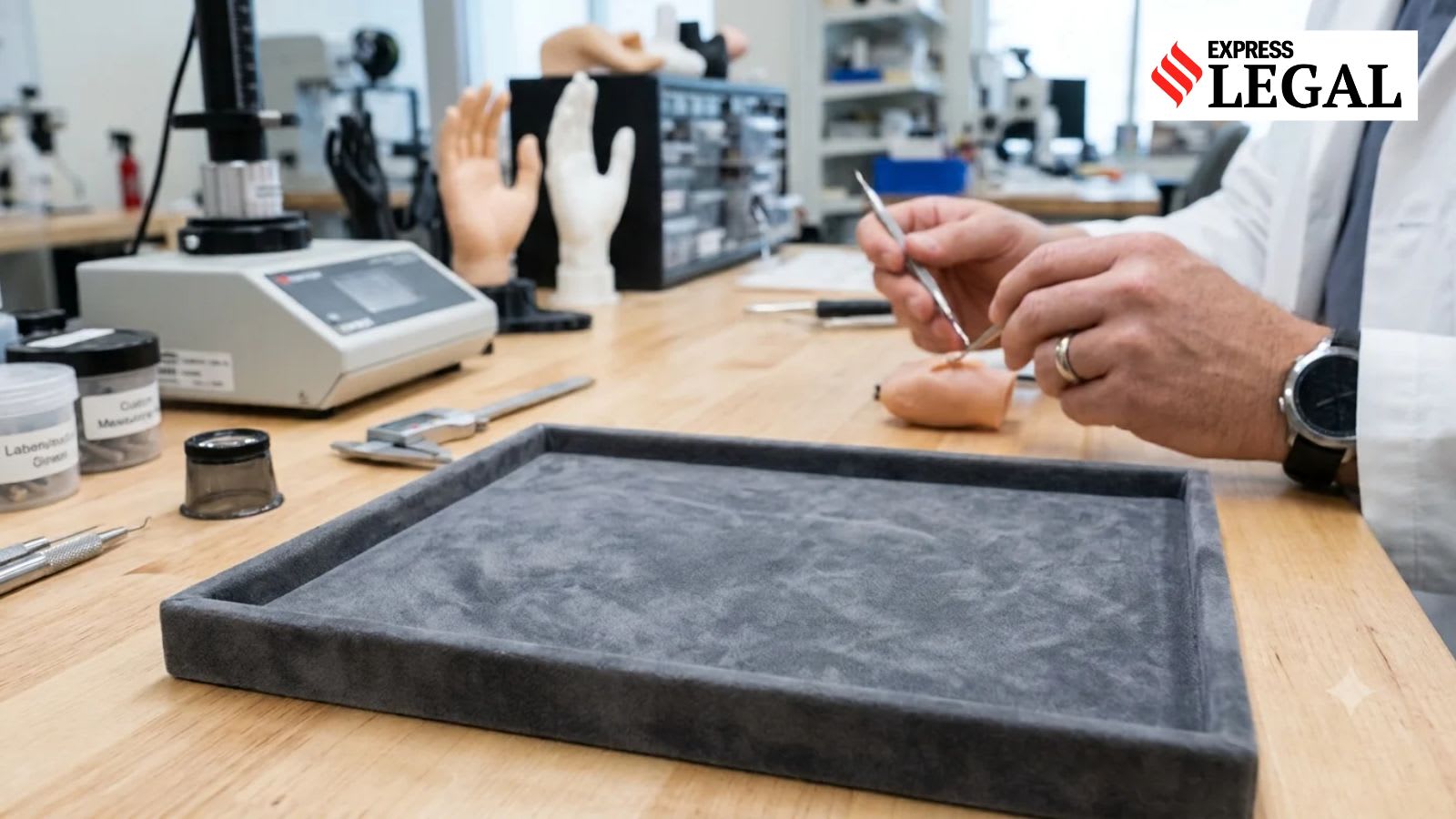
The Pudukkottai district consumer commission has ordered a company to compensate a customer Rs 40,000 for a defective artificial finger prosthesis. The firm failed to provide the promised size and thumb impression, constituting an unfair trade practice.
Consumer Justice in Prosthetic Services
In a recent ruling that underscores the importance of consumer protection in the medical and assistive device sector, the Pudukkottai district consumer commission has ordered a company to refund and compensate a victim of a workplace accident. The case involved an individual who, having suffered the trauma of losing two fingers, sought a customized artificial prosthesis. Despite paying a significant sum of Rs 20,000 for a product tailored to his specific physical requirements, the delivered prosthesis was fundamentally flawed, failing to meet basic specifications regarding size and functional features like the thumb impression.
Defining Deficiency in Service
The commission, led by President T Sekar and member S Sugunadevi, unequivocally categorized the company's failure as a 'deficiency in service' and an 'unfair trade practice.' In the context of medical devices, customization is not merely a preference but a functional necessity. When a provider promises specific aesthetic and functional matches—such as color matching or anatomical features like a thumb impression—and fails to deliver, they violate the trust inherent in the patient-provider relationship. The commission's decision to penalize the service provider serves as a critical reminder that healthcare and rehabilitation services are bound by strict contractual and ethical standards.
The Impact of Unmet Expectations
For an individual navigating the challenges of life after losing fingers, the psychological and physical utility of a prosthesis is immense. By delivering a product that was the 'wrong size' and missing promised features, the company exacerbated the complainant's distress rather than alleviating it. The fact that the company further 'declined redress' after the failure is what elevated this from a simple manufacturing error to a legal case of unfair trade practices. This refusal to acknowledge or correct the defect is a common hurdle in consumer disputes and often necessitates legal intervention to ensure accountability.
Strengthening Consumer Rights
The court's decision to order a full refund of the Rs 20,000, plus an additional Rs 20,000 in compensation and costs, reflects a growing trend in Indian consumer law where service providers are being held to higher standards of transparency. The ruling sends a clear message to companies operating in the medical device market: marketing claims regarding customization and product quality must be strictly honored. Misrepresentation in this sector can have long-lasting consequences on the quality of life of the end-user.
Future Implications for the Sector
This case highlights a broader need for standardized oversight in the production of customized prosthetics. As technology makes these devices more accessible, the market is expanding, but the regulatory framework must keep pace to protect vulnerable consumers. Moving forward, providers in this space must implement better quality control measures and dispute resolution policies to avoid similar legal repercussions. Protecting the rights of patients who rely on assistive technologies is essential for maintaining integrity within the healthcare supply chain, ensuring that those who have already suffered physical loss are not further victimized by corporate negligence.