
Burnout is not a crash. It is a leak. For decades, the corporate world has treated mental exhaustion as a binary event—you are either functional or you are on medical leave. This reactive default is a mechanical failure of management. Why wait for the collapse when the biological signals are already screaming? The assumption that burnout is an invisible, subjective experience is dying. We are entering an era where the overlap of passive sensing and molecular biology can flag a breakdown months before a worker ever admits they are struggling.
The Rise of Passive Detection
The most immediate shift is occurring in the environment itself. We no longer need to ask employees how they feel via a quarterly survey. Passive workplace technologies—tools that monitor typing cadence, movement patterns, and physiological shifts—are now capable of detecting the behavioral markers of occupational stress (Source: Frontiers in Psychology, 2026). This is a hard turn away from self-reporting, which is notoriously unreliable due to social stigma and the 'performance' of productivity. By analyzing the friction in how a person interacts with their digital tools, AI can spot the early tremors of burnout.
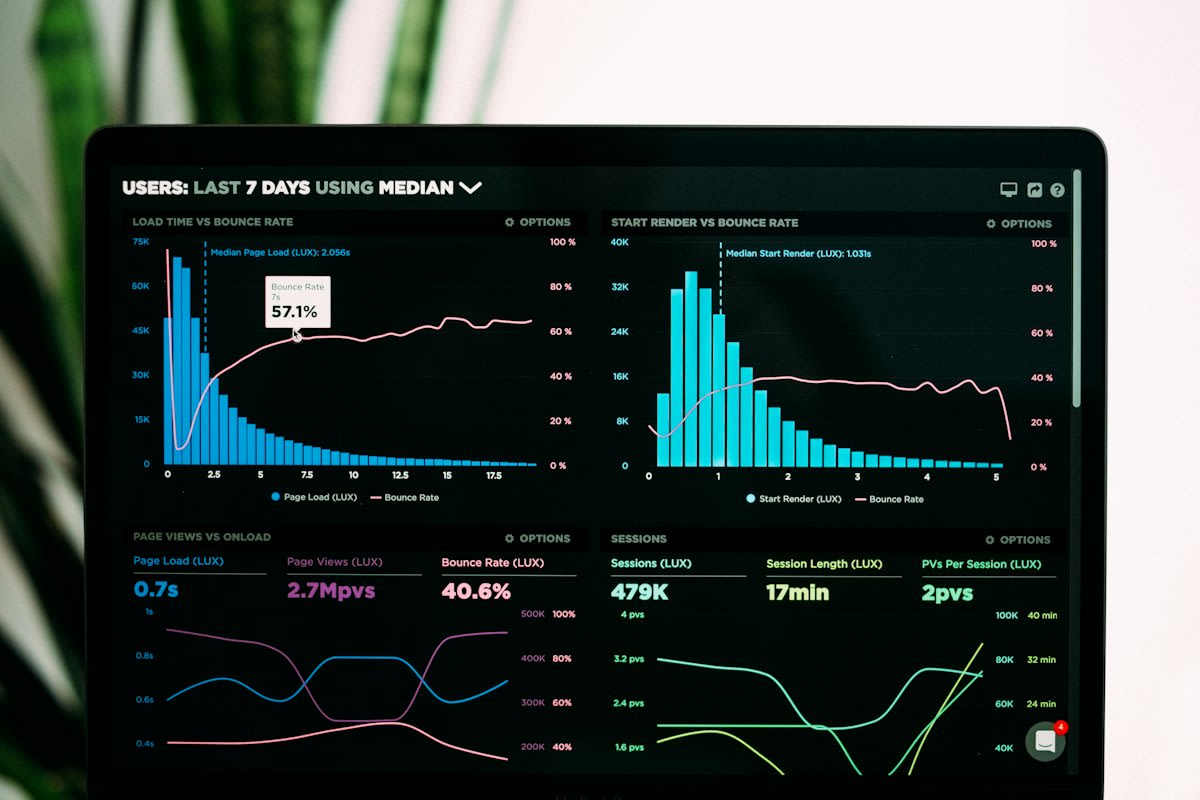
The precision of these tools is increasing. While early attempts at 'sentiment analysis' were crude, the current web of multimodal sensors looks at the collision of heart rate variability, sleep patterns, and digital interaction speeds. When these variables deviate from a user's baseline, the AI flags a risk. It is not about a single bad day; it is about the trend line. The delta between a high-performer and a burnout candidate is often found in these microscopic behavioral shifts that the human eye misses but the algorithm captures with surgical accuracy.
The Molecular Precedent: Lessons from Neurodegeneration
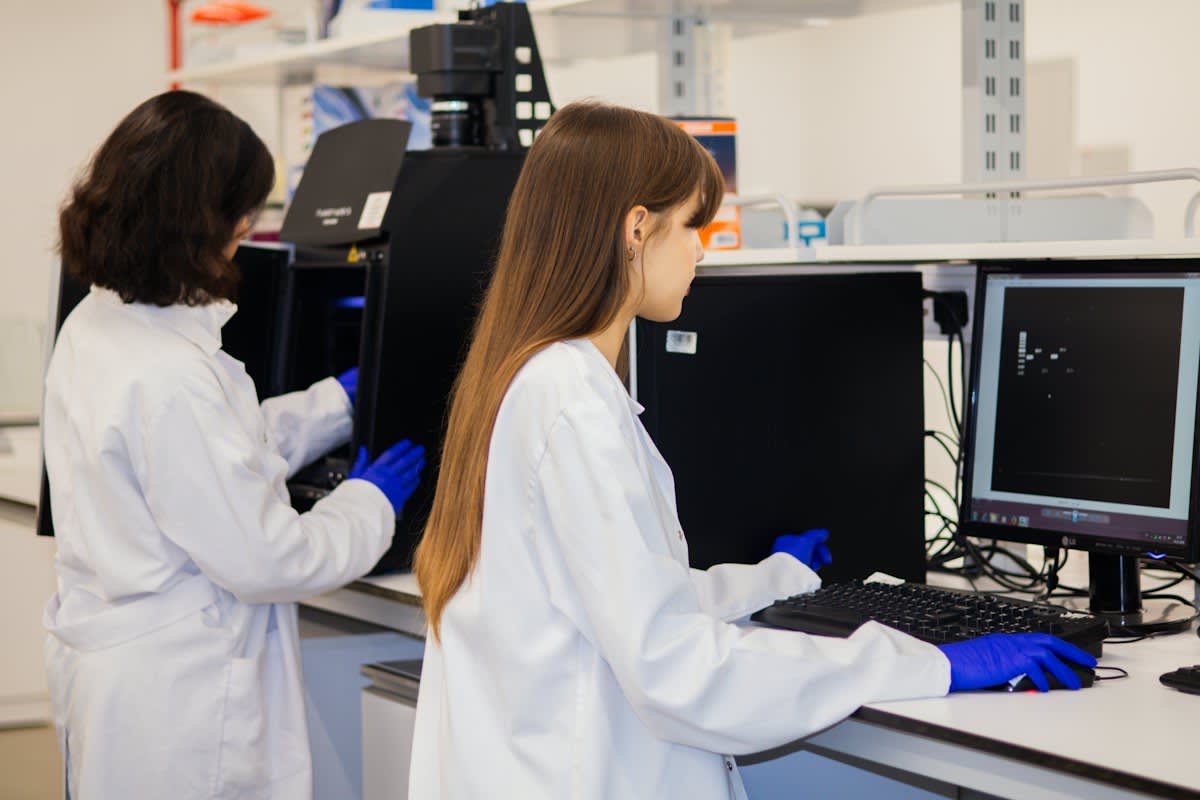
To understand where burnout prediction is going, we must look at how we are now predicting Alzheimer's. A major international study has demonstrated that a simple blood test can reveal the risk of cognitive decline up to ten years before symptoms appear (Source: Science Daily, 2026). Specifically, the biomarker phosphorylated tau 217 (p-tau217) serves as a molecular alarm. For those with very high levels of this marker, there is a 38% chance of impairment within five years and a staggering 78% chance within ten years (Source: Science Daily, 2026). This proves that biological precursors exist long before the functional failure occurs.
"A simple blood test could help identify people at increased risk of Alzheimer's-related cognitive decline years before they experience any noticeable problems with memory or thinking."— Research Summary, Science Daily (2026)
The implication for mental burnout is clear. If we can find a p-tau217 equivalent for cortisol dysregulation or inflammatory markers associated with chronic stress, the 'predictive window' for burnout could expand from weeks to years. We are moving toward a model of 'full-lifecycle health management' where the goal is not to treat the illness but to prevent the biological conditions that allow the illness to take root. This is the edge of preventative psychiatry.
| Metric | Reactive Model (Old) | Predictive Model (New) |
|---|---|---|
| Detection Trigger | Self-reported exhaustion | Passive behavioral/molecular markers |
| Time Horizon | Post-collapse | Months to Years before failure |
| Data Source | Surveys/HR complaints | p-tau217 / Multimodal sensors |
| Outcome | Medical leave/Turnover | Early intervention/Load adjustment |
Industrializing Wellness: The Asian Model
While Western markets debate the ethics of monitoring, other regions are already integrating these AI-driven health solutions into the infrastructure of chronic disease management. In Hong Kong, Fangzhou (HKEX: 06086) has been recognized for its AI-driven Internet healthcare solutions, specifically its 'AI + Chronic Disease Services' model (Source: Business Insider, 2026). By partnering with Tencent Health, they are expanding the application of AI across full-cycle health management to make long-term care more precise and personalized (Source: Business Insider, 2026). This is not just about diabetes or hypertension; it is a blueprint for managing any chronic condition, including the physiological degradation caused by burnout.
The Fangzhou approach suggests a future where health management is a continuous background process rather than a series of episodic doctor visits. When AI-driven automation is combined with personalized health data, the system can override the human tendency to ignore symptoms. In the context of burnout, this means the system doesn't wait for you to feel tired; it notices your biomarkers shifting and suggests a structural break before the cognitive override fails.
The AI Paradox: Solving Burnout or Accelerating It?
However, there is a dangerous friction in this transition. As we use AI to predict burnout, we are also using AI to perform our work, and these two trends are colliding. Recent data indicates that just ten minutes of using AI tools can significantly reduce a person's persistence and focus when facing difficult tasks (Source: Around Prague, 2026). The 'productive struggle'—the very process that builds cognitive resilience—is disappearing because AI provides answers in seconds (Source: Around Prague, 2026). We are effectively outsourcing the mental effort that prevents cognitive atrophy.
This creates a strange loop. We are building AI to detect burnout, but the tools we use to be 'efficient' may be eroding the very persistence and focus required to avoid burnout. If the brain stops engaging in the struggle of problem-solving, does it become more susceptible to the fatigue that biomarkers are designed to detect? The risk is that we are optimizing for speed while accidentally lowering the threshold for mental collapse.
From a practitioner's perspective, this is where the internal industry dispute lies. There is a fierce debate between the 'optimization' camp—who believe AI can eliminate burnout by streamlining work—and the 'cognitive' camp—who argue that AI is creating a new kind of fragility. The friction is palpable in the boardroom. One side sees a dashboard of biomarkers as a tool for employee wellness; the other sees it as a tool for 'predictive firing' or a way to push employees to their absolute biological limit without crossing the line into total collapse.
Fact-Check & Accuracy Note
The verifiable data on p-tau217 provides a strong scientific basis for long-term cognitive prediction (Source: Science Daily, 2026), but the application of similar biomarkers to 'burnout' specifically remains an area of active academic debate. While passive workplace technology can detect stress (Source: Frontiers in Psychology, 2026), the industry is still struggling to standardize what a 'burnout biomarker' actually looks like across diverse populations.
Editorial Note
Editorial Note: This report prioritizes the shift toward predictive diagnostics. While the potential for surveillance is high, the focus here is on the technological capability to move from reactive to proactive health management.
The Path Forward: Integration and Ethics
The future of burnout prevention lies in the integration of these disparate data streams. Imagine a system that combines the passive workplace monitoring described in Frontiers in Psychology with the molecular precision of blood-based biomarkers. When the AI detects a drop in persistence (as noted in the Around Prague study) and a corresponding spike in stress biomarkers, it doesn't just send a notification. It triggers a mandatory shift in workload.
But this requires a fundamental change in the corporate contract. We must move away from the 'persistence at all costs' mentality. If we have the technology to see the collapse coming, continuing to push the employee is no longer a management failure—it is a conscious choice to ignore biological evidence. The opportunity here is to build a sustainable workforce where the biological edge is respected, not exploited.