
The June Surge: Beyond the Hype Cycle
Look at the calendar. This final week of June 2026 isn't just another series of product launches; it is a systemic migration. We are witnessing a transition where AI stops being a chatbot in a browser and starts becoming the invisible scaffolding of professional services. Whether it is the launch of TherapyGo on June 27 or the aggressive data center expansion in China, the delta between last year's experimental tools and today's integrated platforms is staggering.
Why does this matter now? Because the friction is disappearing. In the mental health sector, United Innovation Solutions LLC just hit a milestone with TherapyGo, bridging the gap between AI-assisted guidance and licensed psychologists. This isn't about replacing the therapist; it is about solving the accessibility bottleneck that has plagued global healthcare for decades.

The nuance extends to our most vulnerable populations. In senior living, we see the rise of emotionally intelligent AI companions. However, as Jason Oliveri recently highlighted, this rollout isn't one-size-fits-all. For LGBTQ+ residents, the stakes for inclusive, responsible deployment are higher, demanding rigorous governance frameworks and consent protocols for cognitively vulnerable adults.
The Inclusion Mandate
The shift in elder care isn't just technical; it's ethical. The focus has moved from whether the AI can talk to whether the AI can respect the diverse identities of the people it serves.
Capital, Compute, and the Global Divide
While the West debates, the East builds. China is currently executing a massive state-led buildout under the East Data, West Computing framework. The ambition? To push computing infrastructure into arid, less populated western regions. The scale is breathtaking: Pu Ding of Beijing Highlander Digital Technology reports that AI computing demand in China will increase 500-fold by 2030.
| Region | Strategy | Public Sentiment/Outlook |
|---|---|---|
| China | State-led 'East Data, West Computing' | Rapid expansion; 500x demand growth by 2030 |
| USA | Market-driven fragmented growth | 71% of Gallup respondents oppose local data centers |
Contrast that with the United States, where a March Gallup poll showed 71 percent of respondents oppose data center construction in their communities due to energy and water concerns. This divergence creates a fascinating geopolitical tension: one side is optimizing for speed and scale, while the other is grappling with local sustainability and NIMBYism.
This appetite for automation isn't limited to infrastructure; it has hit the retail portfolios of everyday investors. In London and other global hubs, AI trading bots are now mainstream. Retail investors are abandoning emotional decision-making in favor of machine learning models and real-time automated execution across both stocks and cryptocurrency.
Retail AI Trading Adoption Curve (2026)
Executive Insight
+18.4%
YTD Growth
The Workforce Evolution: Survival of the Strategic
Is the entry-level job dead? The data says no, but the job description has changed. In cybersecurity, the panic of 2024 has evolved into a strategic pivot. An ISC2 survey reveals that 44% of organizations are reconsidering roles, but 31% believe AI security tools will actually create new entry-level roles.
"Rather than asking an analyst to go pick apart a log file, the ask in the AI age sounds more like this: 'Can you gather the trends from the referenced disparate log files look for potential malicious or abnormal patters and cross correlate such against the known indicators of compromise database.'"— Dark Reading Analysis on Cybersecurity Workforce
This is the 'Delta'. We have moved from manual data parsing to high-level pattern recognition. AI skills are now the most pressing need for 41% of security teams. The winners aren't the ones who can code the best, but the ones who can ask the most strategic questions.
Of course, rapid adoption creates friction. In East Asia, where exam pressure is a cultural crucible, AI glasses have become the new frontier for cheating. From Taiwan to South Korea, educators are scrambling. In one medical school entrance exam in Taiwan, a student was caught when proctors noticed the frames of their smart glasses emitting heat.
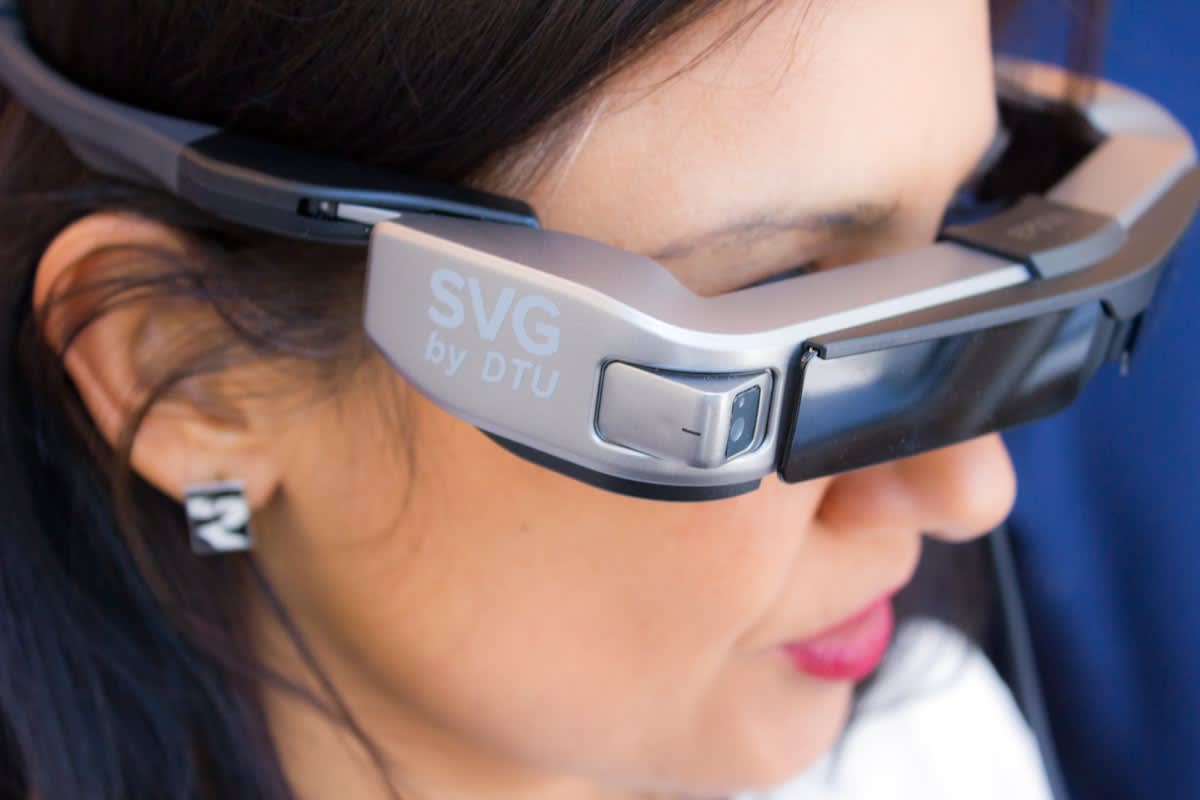
Does this mean the technology is a net negative? Hardly. These frictions are the growing pains of a world learning to coexist with intelligence. The resilience we see—from South Korean administrators updating bans to cybersecurity firms redefining roles—proves that human systems adapt. We aren't being replaced; we are being forced to level up.